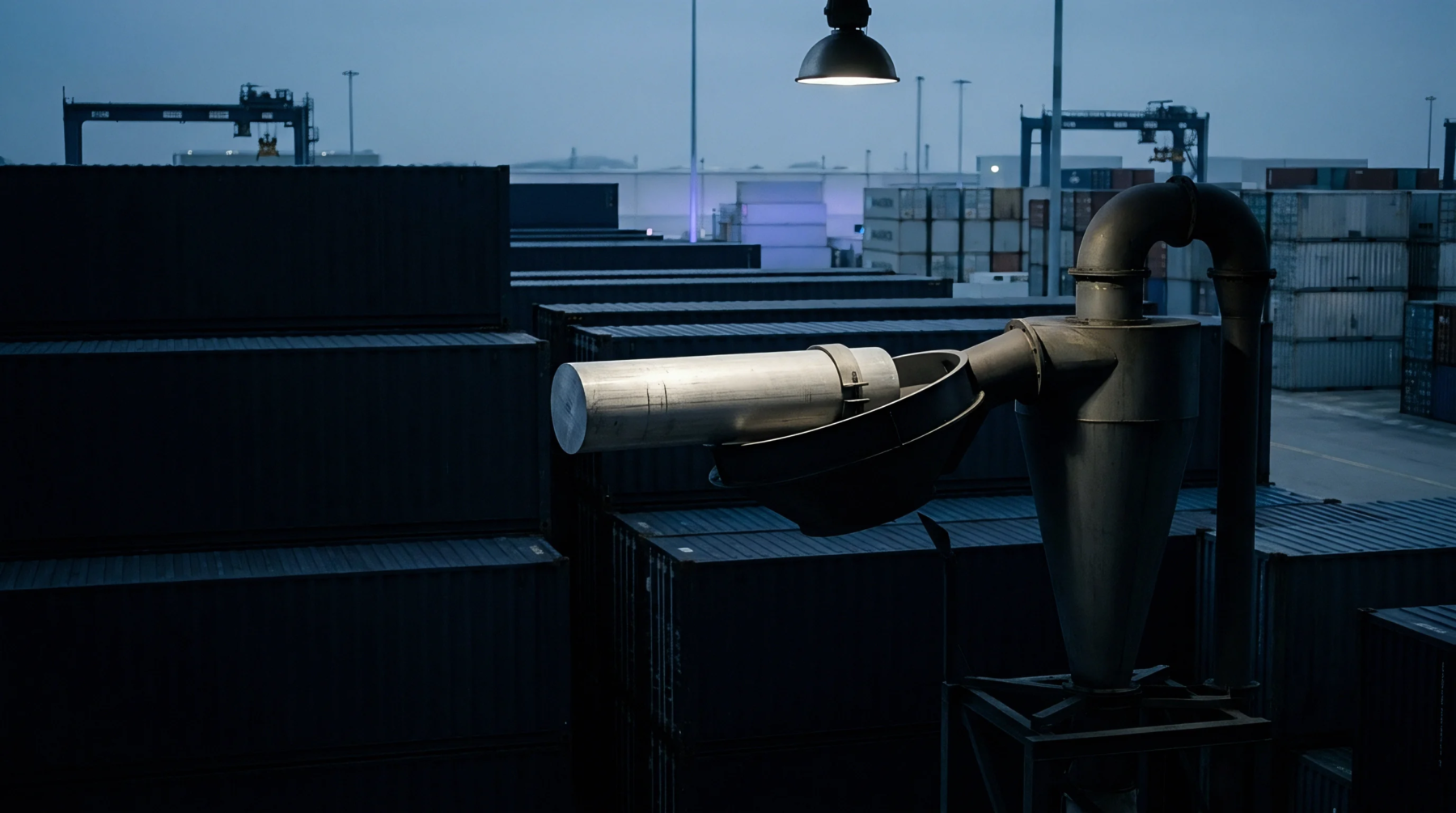
Logistics Hub
Major sea terminals positioned along deepwater channels and primary trade corridors serve as principal transfer points between ocean shipping lines and inland freight networks. Marine terminal operators invest in strategic gateway terminals to handle high volumes of international containerized cargo and bulk commodities. These hub facilities feature deep draft berths, multiple ship-to-shore gantry cranes and direct connections to national rail networks.
Ocean carriers center their main-haul service strings around these entry points to maximize vessel load factors and facilitate feeder vessel transfers.
Node Operation
Integrated terminal operating systems manage container stacking and intermodal train loading to maintain high terminal throughput. Within strategic gateway terminals, automated gantry cranes transfer imported containers directly from quay staging areas onto rail flatcars for long-distance inland transport. Customs clearance centers located inside terminal boundaries conduct security scanning and documentation verification without delaying container movement.
Port authorities coordinate with tug operators and marine traffic controllers to manage daily vessel arrival and departure sequences. Port operators monitor quay productivity and container dwell times to prevent yard congestion during peak import seasons.
Vulnerability Limit
Operational disruptions at primary gateway ports propagate delays throughout domestic supply chains and regional feeder networks. High land costs and urban encroachment restrict physical land expansion opportunities around historical port basins.