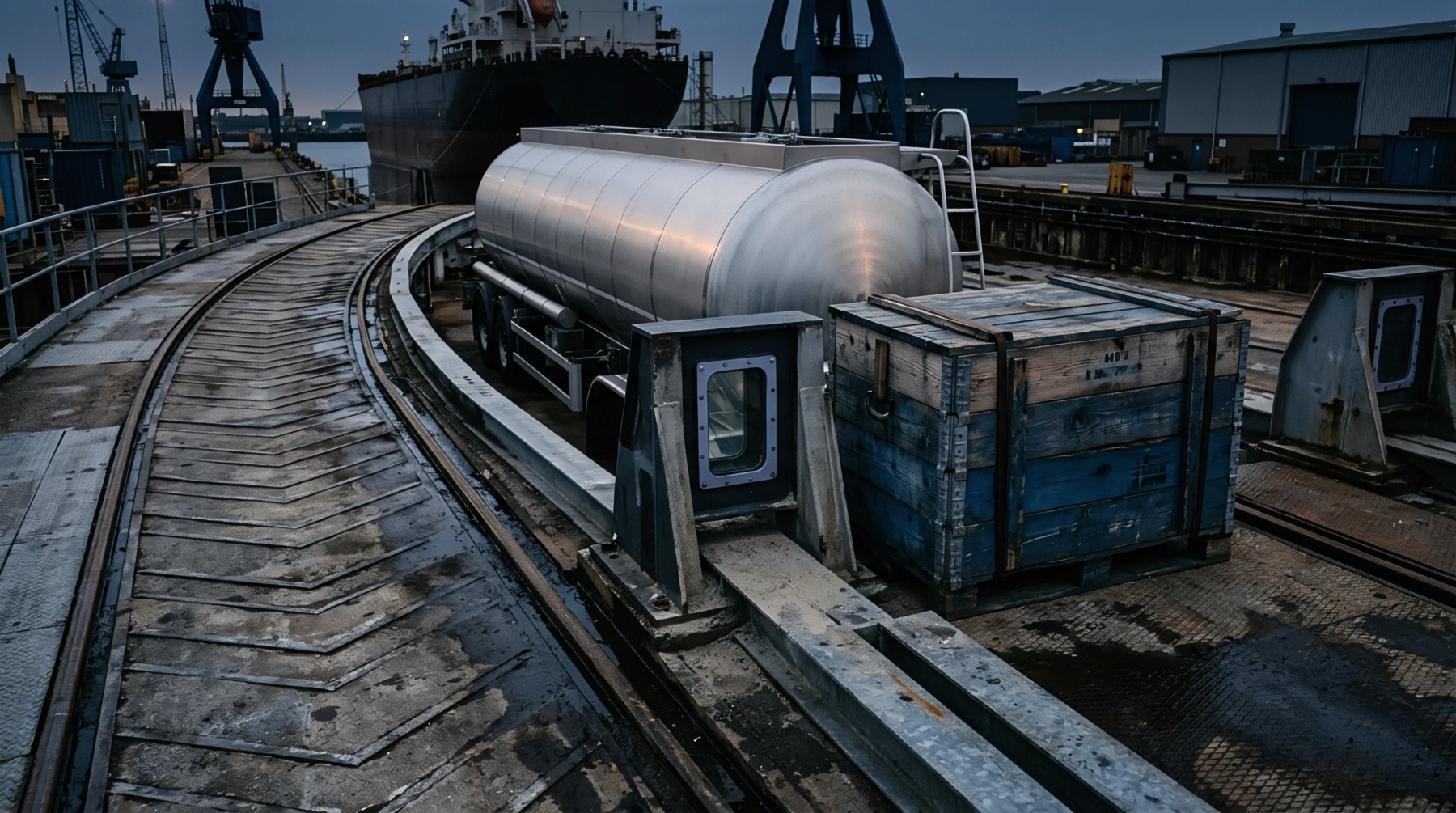
New American Duties on Japanese Crawler Cranes Elevate Acquisition Costs
Buyers of Japanese crawler cranes face new cash deposits of up to twenty percent following a federal trade ruling.
Mechanical apparatus executes the physical transfer of goods across warehouse floors and production docks. Material handling equipment designates the category of industrial hardware that lifts, transports, and positions inventory inside distribution networks. Industrial planners evaluate throughput capacity monthly to prevent bottlenecks during demand surges.
Batteries or internal combustion engines drive mobile units along designated plant paths while fixed conveyors move bulk items continuously. Workers utilize these devices to maintain steady velocity from receiving docks toward outgoing staging areas. Safety inspectors verify load ratings weekly because excessive weight causes structural failure on hydraulic masts.
Operational managers track equipment utilization percentages to determine fleet expansion schedules or replacement timing. Uncalibrated sensors on automated guided vehicles trigger immediate system halts to protect surrounding personnel from collision. High maintenance expenditures lower net operating margins when older machinery requires frequent part replacements.
Capital budgeting decisions depend on lifecycle cost projections rather than initial purchase price alone. Fleet downtime reduces daily shipping volumes and disrupts downstream manufacturing schedules. Equipment durability dictates facility throughput limits during peak seasonal fulfillment periods.
Capital expenditure planning governs how warehouse operators acquire industrial hardware. Acquisition budgets divide spending between initial purchase costs and long term maintenance outlays. Accountants calculate depreciation schedules over years of expected service life to determine tax liabilities.
Rising steel prices increase manufacturing costs for new forklift frames and conveyor rollers. Procurement teams negotiate service contracts alongside equipment purchases to secure guaranteed repair turnaround times. Used machinery markets offer lower entry prices but carry higher operational risk due to undocumented wear patterns.
Energy efficiency ratings influence buying choices as facilities seek to lower monthly power bills for electric lift trucks. Financing structures vary between direct cash purchases and equipment leasing agreements based on corporate tax strategies. Fleet turnover rates reflect changes in warehouse automation technology and facility design standards.
Maintenance departments monitor spare parts inventory to minimize downtime when hydraulic pumps fail unexpectedly.
Physical facility constraints define the operational limits for industrial machinery. Narrow warehouse aisles restrict turning radiuses and require specialized narrow aisle reach trucks. Floor load capacity limits dictate the maximum weight a forklift may transport across specific building sections.
Battery charging infrastructure determines how many electric vehicles can operate simultaneously without overloading local electrical grids. Ceiling heights restrict vertical stacking capabilities for high mast fork assemblies. Outdoor yards demand pneumatic tires instead of cushion solid wheels to traverse uneven asphalt surfaces safely.
Environmental regulations prohibit internal combustion engines inside cold storage facilities where exhaust fumes compromise food safety standards. Gradient limits prevent heavy industrial trucks from climbing steep loading ramps without risking loss of control. Operators complete mandatory certification training programs before receiving authorization to drive powered industrial trucks within commercial facilities.
Facility designers calculate turning clearances around structural pillars to prevent accidental collisions during high speed transit.
Buyers of Japanese crawler cranes face new cash deposits of up to twenty percent following a federal trade ruling.
Expertise is a utility, not a secret. sentiention™ publishes its working knowledge as open reference: intelligence layer covering the materials it sources, the markets it enters, and the reference that serves both.