New Executive Order Restricts Foreign Power Grid Equipment Tightening Industrial Supply

Industrial buyers face tighter supply and longer lead times for high-voltage power gear following a new US import ban.

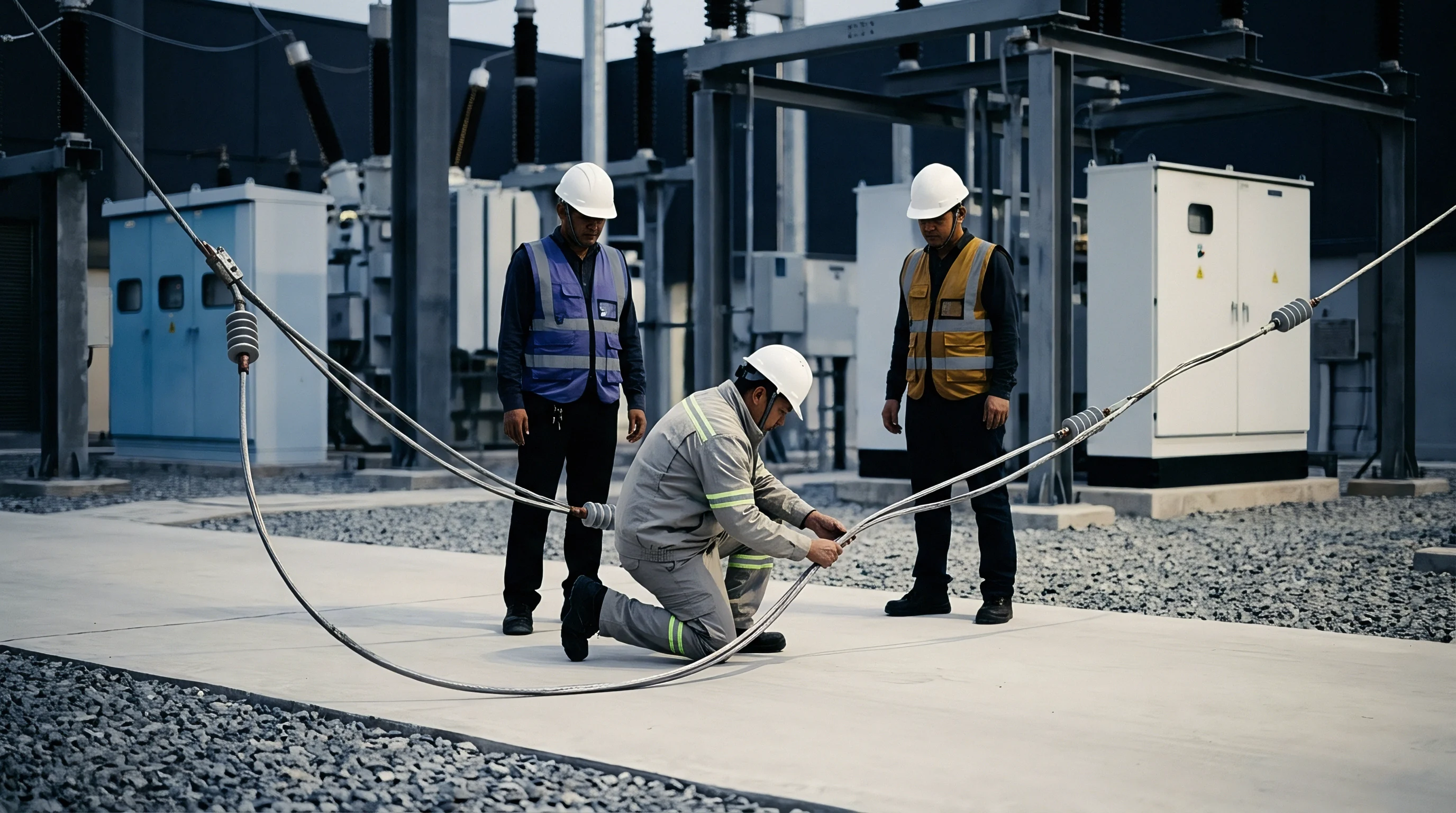
27.08.26 2 min

Briefing

Executive Order 14420, issued on August 26, 2026, declared a national emergency that blocks the acquisition, import, or installation of foreign-made equipment in high-voltage power transmission systems. Infrastructure sourcing teams must now reroute procurement away from foreign adversaries, particularly China, toward domestic or allied suppliers. Restricting imports of bulk hardware, substation transformers, and utility-scale battery storage will drive up equipment costs and stretch delivery timelines for industrial expansion projects. Because the prohibition covers all bulk-power equipment rated at 69,000 volts or higher, supply bottlenecks will be immediate.

An automated robotic arm stacks cardboard cartons in a warehouse bay behind a mound of protective foam peanuts and a black industrial cylinder.

Context

Industrial power demand was already climbing rapidly from data centers, AI infrastructure, and advanced manufacturing projects. The core challenge was whether domestic manufacturers could expand production quickly enough to meet that demand. Procurement teams had largely counted on international vendors ~ chiefly Chinese producers, who supply a significant share of global grid hardware ~ to cover deficits and bypass lengthy domestic wait times.
Heavy steel forklift forks engage the underside of a large plywood shipping crate inside an industrial warehouse containing multiple stacked black plastic pallets.

Analysis

The executive order focuses on cybersecurity risks and potential remote backdoors embedded in critical power infrastructure. Blocking foreign-supplied gear channels heavy demand directly toward domestic and allied manufacturers that are already running close to full capacity. High-voltage equipment is custom-built rather than stocked off the shelf, so cutting off major overseas suppliers creates instant factory backlogs. Domestic producers gain substantial pricing leverage, while lead times for critical equipment like substation transformers will lengthen further and delay project schedules. Any remaining import shipments will face rigorous customs screening to confirm no components trace back to covered foreign entities.
A metal sampling enclosure holding a liquid filled petri dish sits atop structural steel within an industrial power facility.

Parameters

  • Executive Order 14420 ~ Sourcing restriction signed on August 26, 2026, barring foreign-sourced equipment from bulk-power systems.
  • 69,000 Volts ~ Operating voltage threshold triggering the equipment ban.
  • 120 Days ~ Deadline for the Department of Energy to issue formal implementing regulations.
  • 180 Days ~ Deadline to draft proposed revisions to the Federal Acquisition Regulation tightening federal procurement rules.
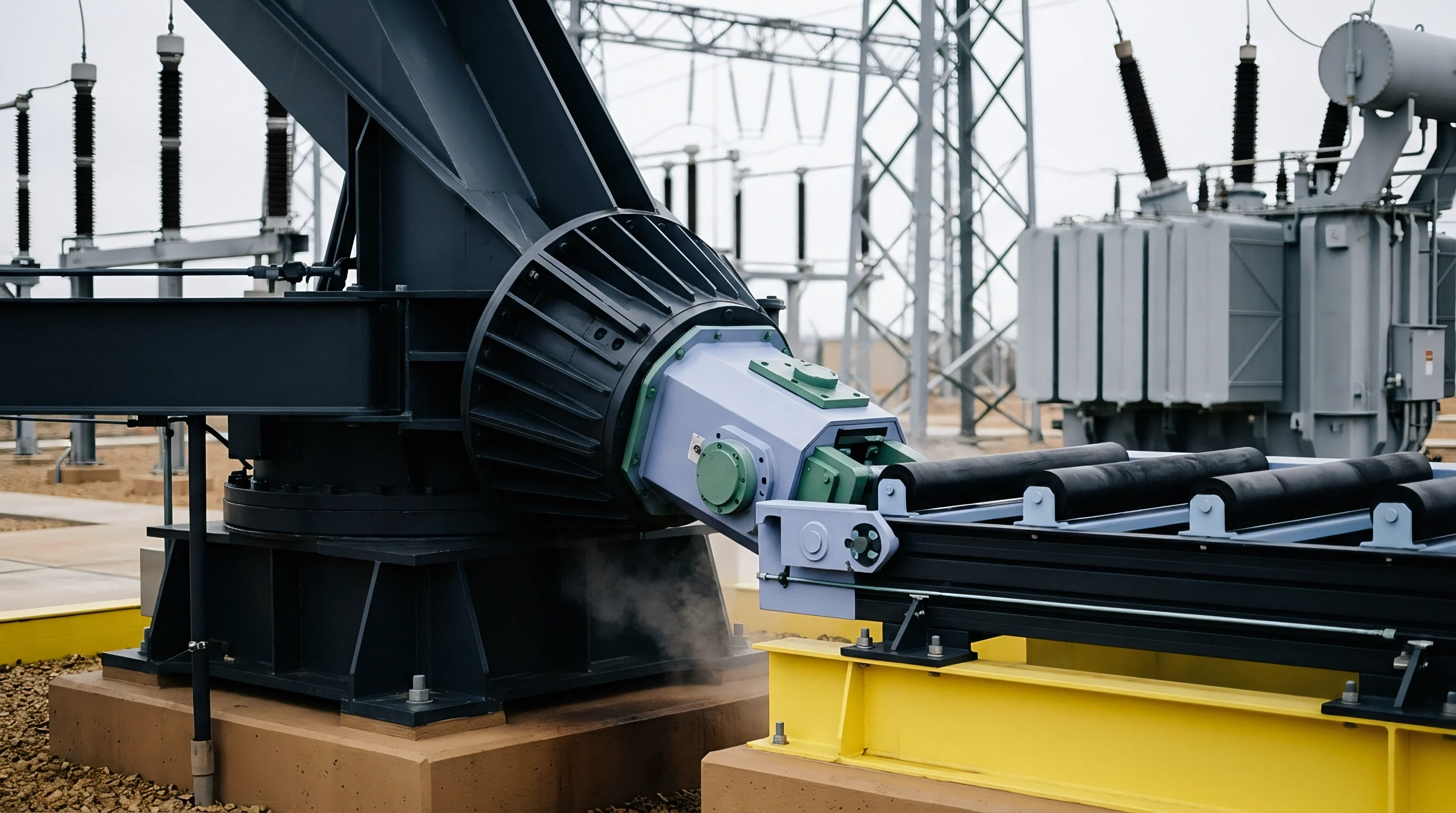
High voltage electrical substation components feature a mechanical pivot assembly mounted on steel beams near industrial transformers and insulators.

Outlook

Domestic backorders for substation transformers and electrical management software will rise sharply as utilities and developers compete for compliant units. Sourcing managers should watch for the Department of Energy’s implementing regulations in December 2026, which will define specific compliance protocols and hardware import screening criteria.
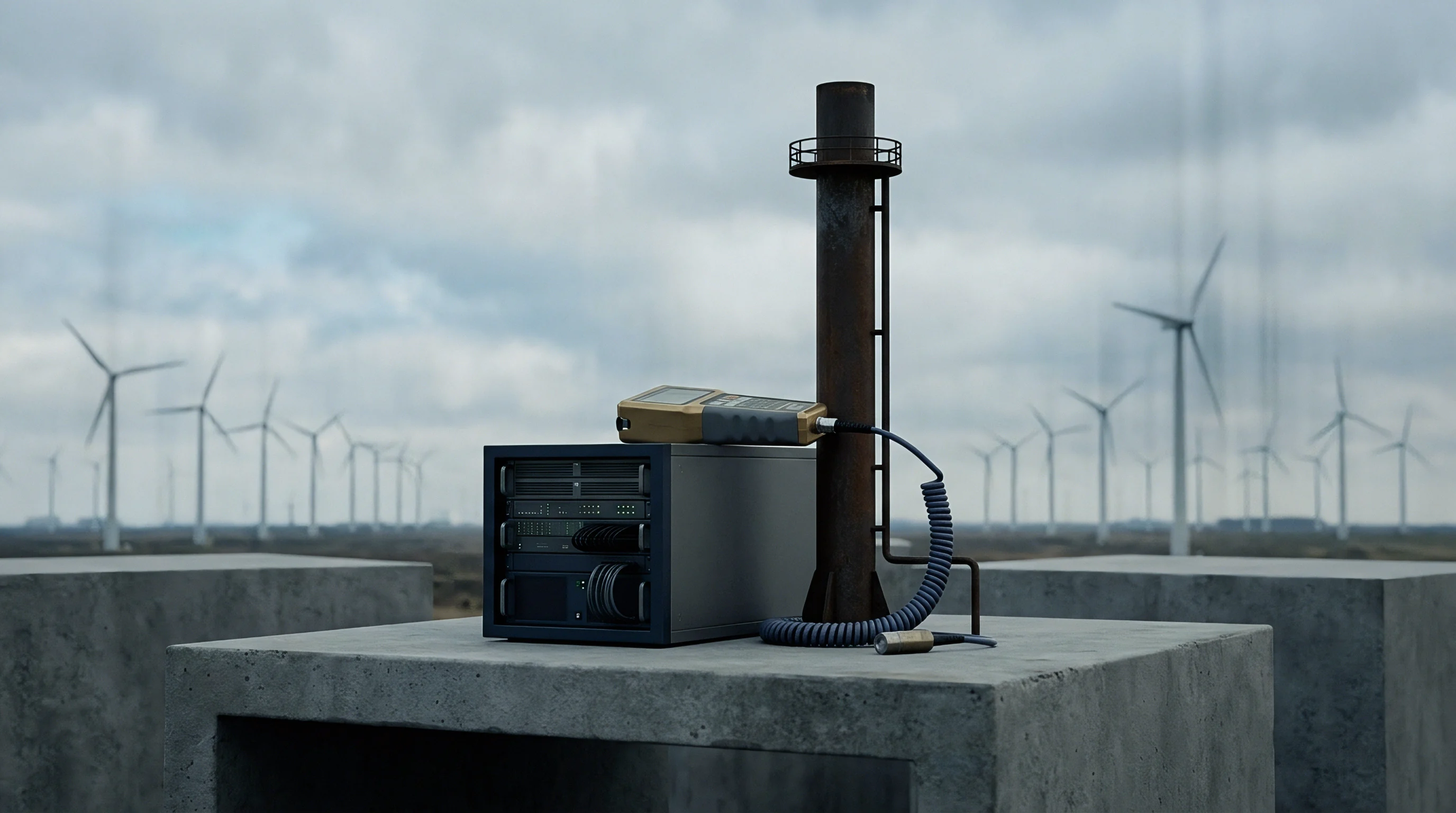
Digital render shows gray concrete blocks supporting a server enclosure, a diagnostic testing unit, and a metal exhaust stack under overcast skies.

Verdict

Buyers should immediately audit active power infrastructure supply chains, qualify alternative domestic and allied suppliers, and account for longer lead times and higher equipment costs across all high-voltage grid projects.

Signal Acquired from: The White House

Nomenclature

Transmission Systems

Power Transport ~ Interconnected networks of high voltage lines and substations move bulk electricity from generators to local distribution centers.

Import Restrictions

Trade Barrier ~ Statutorily imposed customs quotas, absolute product bans, tariff rate quotas and mandatory technical entry requirements limit the physical entry of foreign goods into a sovereign territory.

Energy Procurement

Supply Sourcing ~ Systematic acquisition of utility power involves the coordination of long-term contract structures and spot market trades to fulfill industrial consumption requirements while managing price exposure.

Power Infrastructure

Utility Network ~ Interconnected systems of generation facilities, transmission lines, and distribution substations deliver electrical energy from suppliers to industrial and residential consumers.

Utility Purchasing

Procurement Process ~ Acquisition of the equipment and fuel needed to operate a power or water network involves strict bidding and evaluation procedures.

Trade Regulations

Legal Framework ~ Sovereign and multilateral statutory rules govern the cross-border exchange, import, export, transit and tariff assessment of commercial merchandise and professional services.

Industrial Equipment

Asset Valuation ~ Heavy machinery and durable production hardware constitute industrial equipment when deployed within factory floors or extraction sites to convert raw material into finished goods.

High-Voltage Transformers

Transmission Node ~ Specialized industrial apparatuses modify electrical voltage levels to enable the efficient long-distance transmission of electricity from power sources to distribution networks.

Manufacturing Supply

Production Input ~ Industrial capacity represents the physical availability of raw materials, components, and sub-assemblies ready for conversion into finished commodities at a scheduled interval.

Energy Storage

Grid Capacity ~ Electrochemical and mechanical systems hold electricity for later discharge into local transmission lines to balance supply fluctuations against variable demand peaks.

Supply Chain Security

Defense Framework ~ Protection protocols form a barrier around the physical and digital movement of materials across global borders to prevent unauthorized alteration or cargo theft.

Grid Hardware

Physical Infrastructure ~ Heavy industrial equipment and physical components form the electrical transmission and distribution networks that move power from generators to consumers.

What the firm knows, published

Expertise is a utility, not a secret. sentiention™ publishes its working knowledge as open reference: intelligence layer covering the materials it sources, the markets it enters, and the reference that serves both.