New EU Repair Rules Force Long-Term Spare Parts Supply
Electronics and appliance manufacturers selling in the EU must supply affordable spare parts and extend warranties by a year.


Briefing
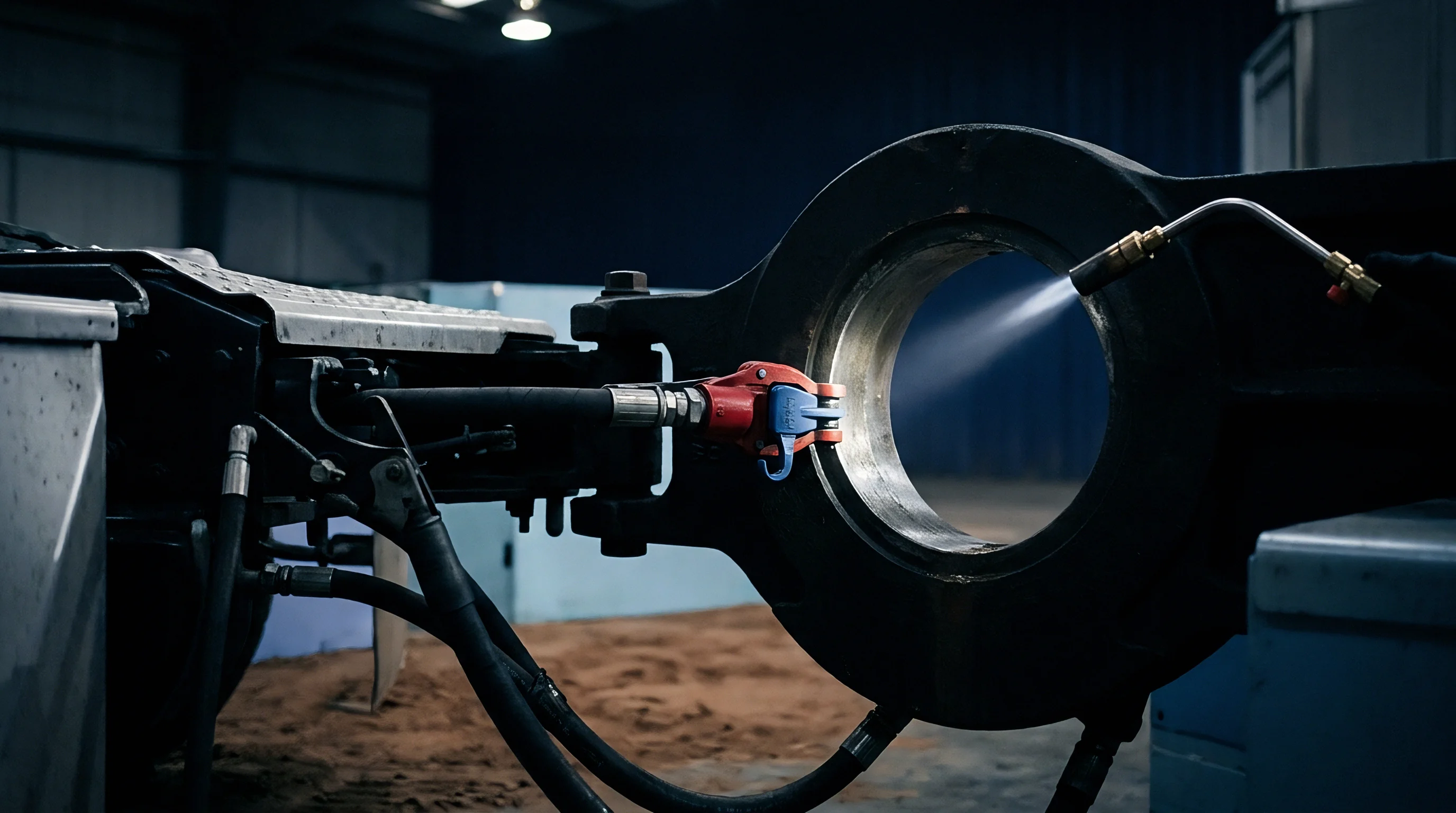
Directive (EU) 2024/1799, the European Union Right to Repair Directive, became enforceable across all twenty-seven member states on July 31, 2026, overhauling after-sales logistics for consumer electronics and home appliances. Manufacturers must supply spare parts and diagnostic tools to independent repair shops at fair prices to prevent repair costs from outstripping replacement value. When a customer opts for repair over product replacement, their statutory warranty extends by twelve months. Meeting the rule requires brands to hold active spare parts inventories and phase out software or hardware barriers aimed at independent technicians, directly targeting the thirty-five million tonnes of waste discarded products generate annually across the bloc.
Context
Prior to the directive, manufacturers set component lifecycles on their own terms. Sourcing teams operated under the assumption that support and spare parts would be phased out within two to three years of a product line being retired. Procurement contracts with contract manufacturers reflected that approach, prioritizing lower upfront unit costs over multi-year component availability.

Analysis
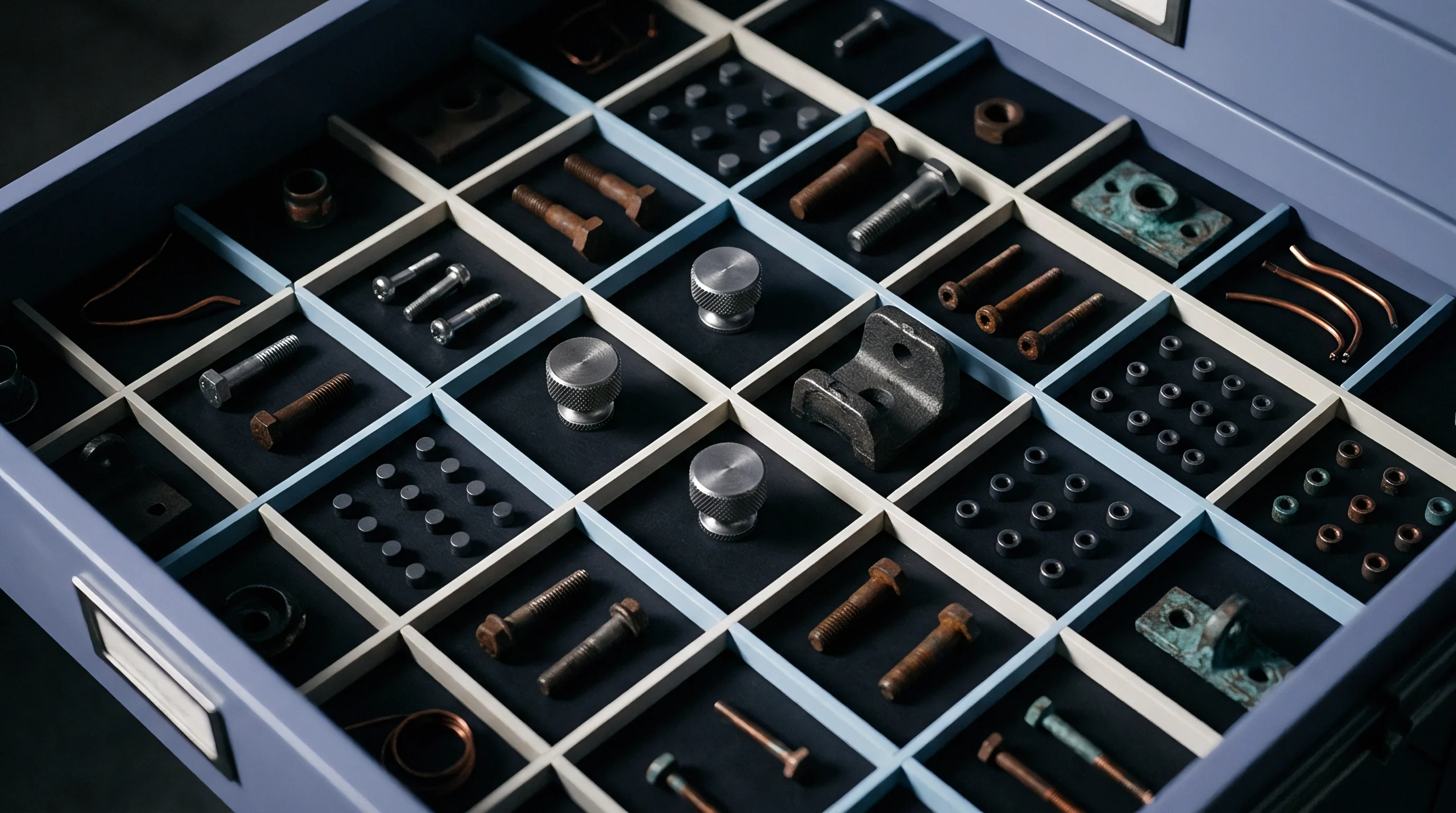
The directive requires manufacturers to provide repairs at reasonable rates and prohibits software locks or physical barriers that hinder independent technicians. In practice, this anchors supply chains to long-term parts availability: OEMs must maintain inventories of critical components for up to ten years after the final unit of a model is sold. Fulfilling that requirement forces companies to absorb the cost of warehousing parts over extended horizons or invest in on-demand three-dimensional printing. Upstream supply contracts now require locked-in pricing formulas and strict order-to-delivery turnarounds, ensuring component bottlenecks do not leave brands in breach of their statutory obligations to consumers.
Parameters
- Transposition Deadline ~ July 31, 2026, the deadline for all twenty-seven European Union member states to transpose the directive into national law.
- Warranty Extension ~ Twelve months added to the statutory warranty when a consumer selects repair instead of a replacement unit.
- Parts Supply Duration ~ Seven to ten years of mandatory spare parts availability after the final unit of a covered model is sold.
- In-Scope Product Groups ~ Ten initial categories of covered goods, including washing machines, electronic displays, mobile phones, and tablets.
- Target Waste Volume ~ Thirty-five million tonnes of annual waste the directive seeks to eliminate through increased repair rates.

Outlook
Procurement teams will need to follow the rollout of the European Repair Platform ahead of its scheduled launch by the European Commission on July 31, 2027. Once live, the registry will give consumers direct access to independent repair networks and establish price transparency, making it clear whether the overhead of maintaining decade-long parts inventories will begin pushing up baseline retail prices.

Verdict
Sourcing desks must renegotiate supplier contracts to guarantee long-term spare parts availability and reasonable component pricing across the European market.