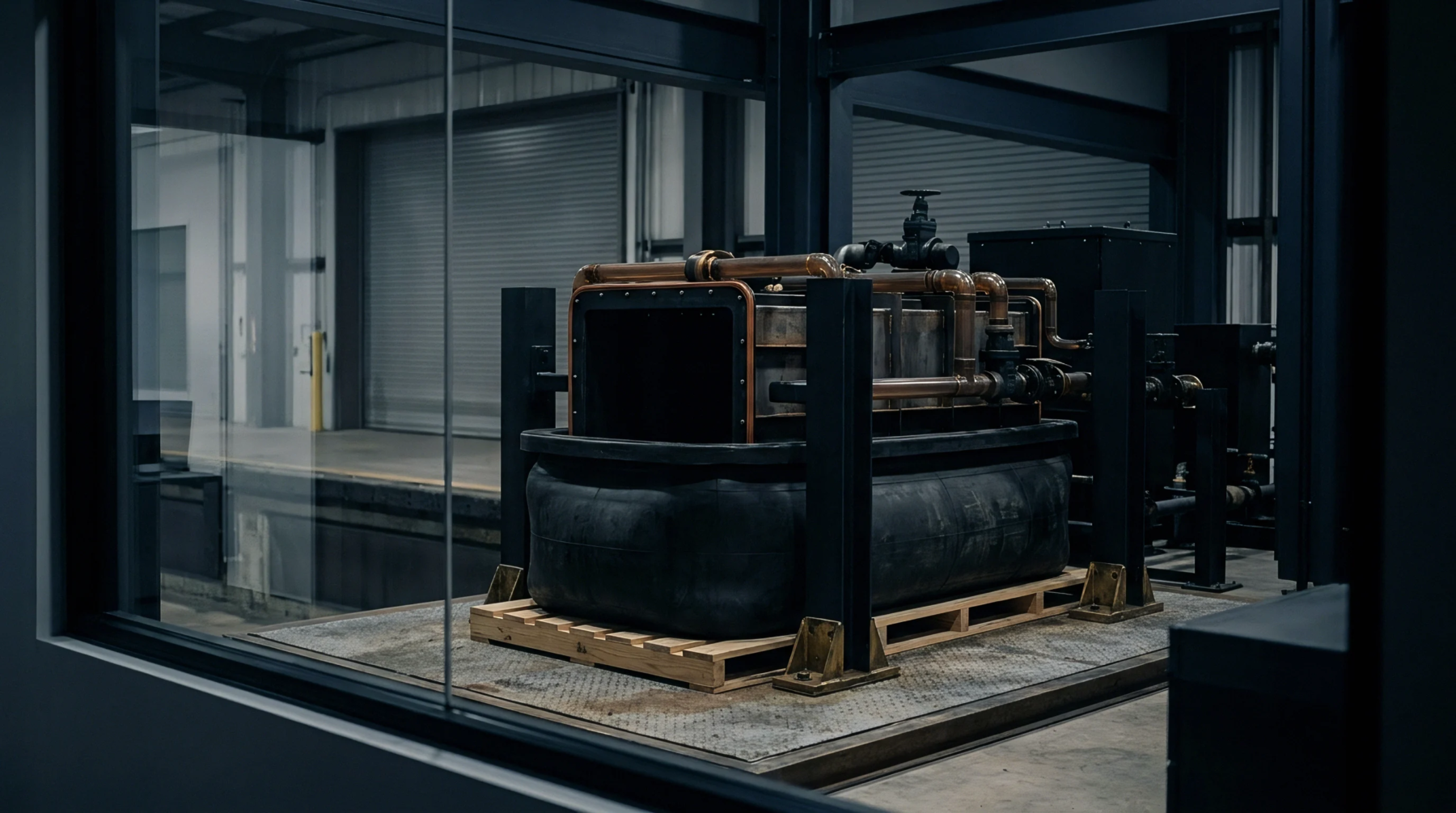
Protective Containment
Engineered primary and secondary containment systems preserve sterility, physicochemical stability and patient safety for medicinal formulations across distribution networks. In drug supply chains, pharmaceutical packaging isolates finished doses from moisture, oxygen, microbial contamination and physical impact throughout designated shelf lives. Systems encompass primary contact materials including glass vials, blister cavities, rubber stoppers and plastic bottles, alongside secondary cartons that carry serialized track and trace identifiers.
The boundary excludes tertiary bulk transport assets such as wooden pallets and ISO freight containers.
Material Compatibility
Physicochemical evaluation identifies extractable and leachable chemical compounds migrating from container surfaces into liquid drugs. Primary containers must demonstrate negligible interaction with drug substances, preventing active ingredient adsorption, container degradation and particulate creation. Elastomeric closures require fluoropolymer coatings to prevent vulcanization residues from contaminating aqueous proteins.
Pharmacopeial monographs mandate rigorous hydrolytic, chemical and physical testing protocols prior to commercial adoption.
Regulatory Validation
Stability testing under standardized climate conditions establishes container closure integrity across designated shelf periods. Packaging configurations undergo high temperature and elevated humidity challenges inside stability chambers, verifying that barrier layers block moisture vapor ingress and light degradation. Child resistant designs must resist opening by children while permitting access for elderly populations, validated through standardized human panel trials.
Production lines incorporate machine vision inspection to verify seal integrity, crimp quality and serialized matrix coding on every finished unit before commercial release.