Material Classification
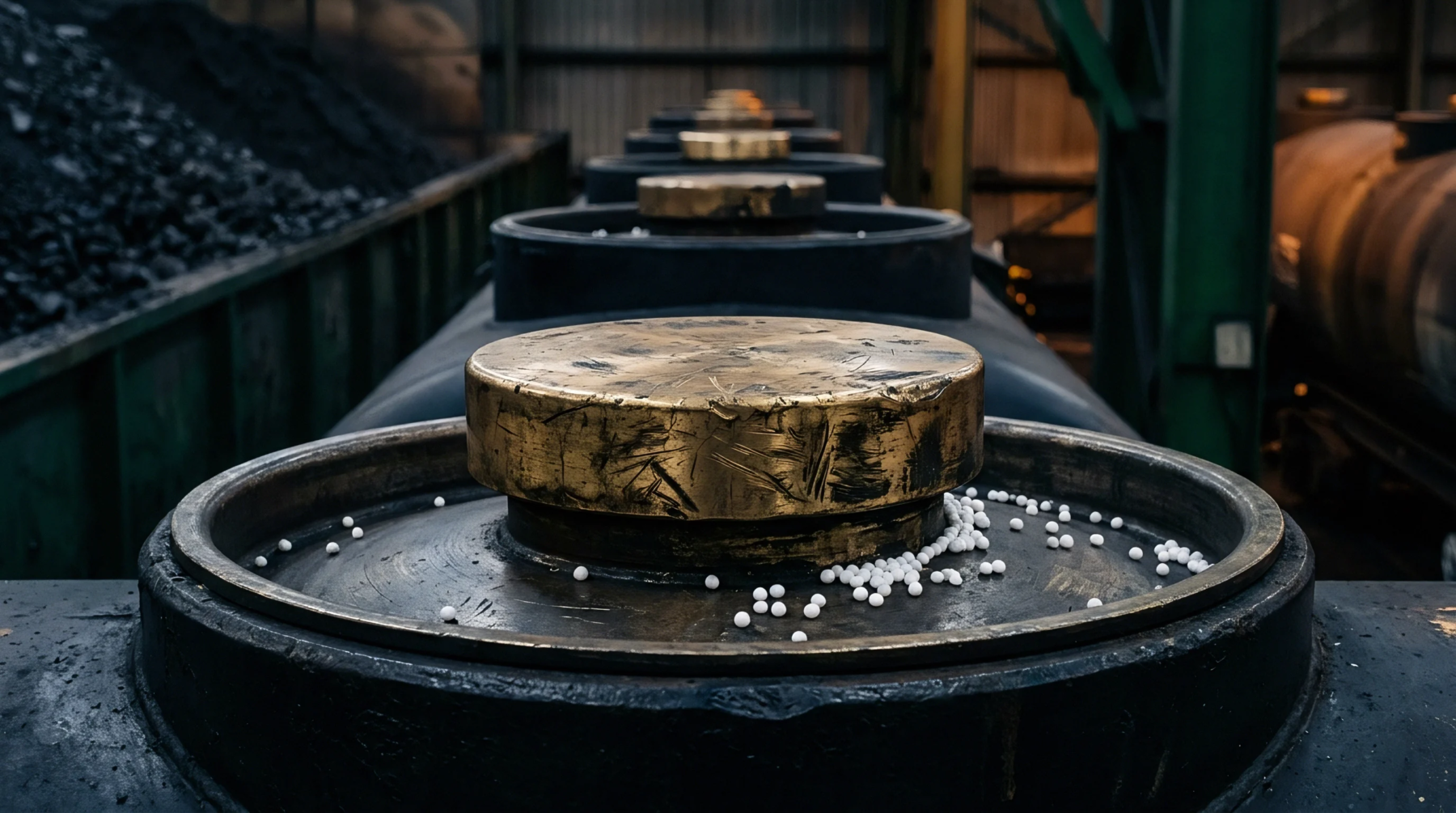
Polymer composition determines the recycling streams and regulatory classifications that govern commercial plastics packaging across global supply chains. Extrusion processes shape high density polyethylene and polypropylene into rigid containers, whereas blown film lines produce flexible barrier layers for food and industrial goods. Polymer density dictates separation protocols at sorting facilities, separating floating polyolefins from sinking polyethylene terephthalate fractions.
Additive packages containing slip agents, stabilizers and colorants alter the mechanical properties of the finished film, which complicates polymer identification during near infrared sorting. Barrier films combine polyamide and ethylene vinyl alcohol layers with polyethylene matrices to extend product shelf life, yet these multi material structures resist mechanical recycling without specialized chemical depolymerization facilities.
Market Valuation
Resin pricing cycles dictate the procurement costs of plastics packaging through quarterly feedstock adjustments tied to ethylene and propylene spot indices. Converters negotiate resin supply contracts referencing international petrochemical benchmarks, transferring raw material volatility directly to brand owners who purchase finished containers and films. Conversion margins reflect the energy intensity of injection molding and thermoforming operations, where machine hourly rates incorporate electrical consumption and mold maintenance schedules.
Brand expenditure fluctuates seasonally based on agricultural harvest volumes and retail promotional cycles, driving demand spikes for corrugated tray sleeves and shrink wrap assemblies. Regulatory compliance costs alter margin structures as extended producer responsibility fees penalize non recyclable polymer formats, compelling packagers to incorporate post consumer recyclate into existing extrusion lines despite higher processing scrap rates.
Barrier Compliance
Food contact regulations enforce strict migration limits on plastics packaging to prevent chemical leaching from polymer matrices into consumable goods. Gas transmission rates measure oxygen and moisture permeability through flexible laminates, establishing the required barrier performance for modified atmosphere storage. Analytical laboratories evaluate contaminant migration by exposing polymer samples to food simulants at elevated temperatures, quantifying non volatile residue via gas chromatography mass spectrometry.
Heavy metal restrictions prohibit lead and cadmium pigments in colorant masterbatches, requiring manufacturers to substitute organic alternatives that maintain thermal stability during high temperature film blowing. Regulatory authorities inspect manufacturing facilities to verify quality management systems, ensuring traceability from virgin resin pellets down to final thermoformed trays intended for retail distribution.