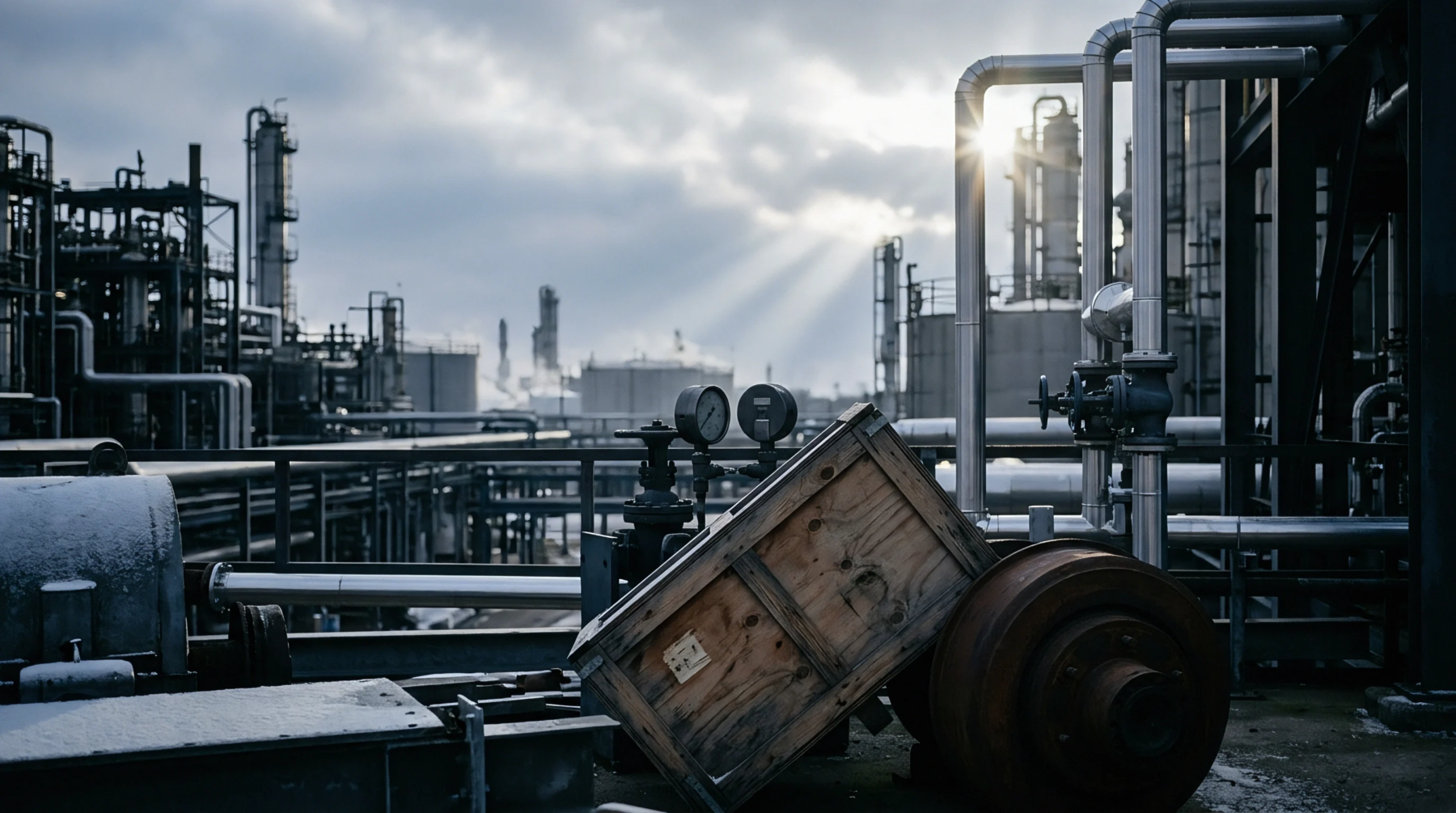
Polymer Synthesis Facility
Chemical manufacturing processes that convert liquid or gaseous monomers into solid plastic polymers generate the essential materials used for molding, extrusion, and packaging. In resin manufacturing, the reaction conditions must be tightly controlled to ensure that the resulting polymer chains achieve the correct molecular weight distribution. This determines the physical properties of the plastic.
Feedstock Conversion Phase
The production process begins with the introduction of purified monomers and catalysts into high-pressure polymerization reactors. During resin manufacturing, the monitoring of temperature and pressure is automated to prevent runaway reactions that could damage equipment or result in off-specification batches. Once the reaction is complete, the molten polymer is extruded through dies and cut into small pellets for easy handling and transport.
These pellets are then dried and stored in large silos.
Quality Control Protocol
Finished batches of polymer pellets undergo rigorous testing to verify their melt flow index, density, and tensile strength before they are cleared for shipment. Any inconsistencies in resin manufacturing can lead to processing issues for downstream plastic converters, such as clogged filters or weak product walls. Therefore, manufacturers maintain detailed batch records and retain reference samples for a year to trace any potential field failures.
This practice mitigates legal risk.