Procurement Methodology
Industrial metal acquisition operates as a systematic identification and verification of ferrous waste streams available for recycling within secondary manufacturing supply chains. scrap steel sourcing manages the flow of obsolete metals from demolition sites or manufacturing offcuts toward arc furnace operations where purity levels dictate final commodity valuation. Mills rely on these inputs to control metallurgical chemistry while minimizing energy expenditure compared to virgin iron ore reduction. Regional collection centers act as clearinghouses for these materials, grading incoming loads based on density, surface oxidation, and alloy contamination percentages.
Logistics providers coordinate the movement of collected units through rail or barge networks to ensure consistent inventory availability at smelters. Accurate grading prevents slag volume spikes that increase refining times and degrade furnace lining integrity.
Market Dynamics
Fluctuating prices for these inputs follow the global demand for finished long products in construction and automotive engineering sectors. Higher virgin ore costs typically shift manufacturer preference toward recycled feedstock, creating upward pressure on prices for high-grade domestic scrap. Supply intervals depend on seasonal demolition activity and the rate of industrial equipment turnover within a domestic economy.
Traders track the spread between shredded metal prices and finished billet values to predict margin shifts for steelmakers. Disruptions in the global trade of these materials alter inventory levels at port facilities, forcing regional buyers to adjust purchase targets rapidly.
Logistical Constraints
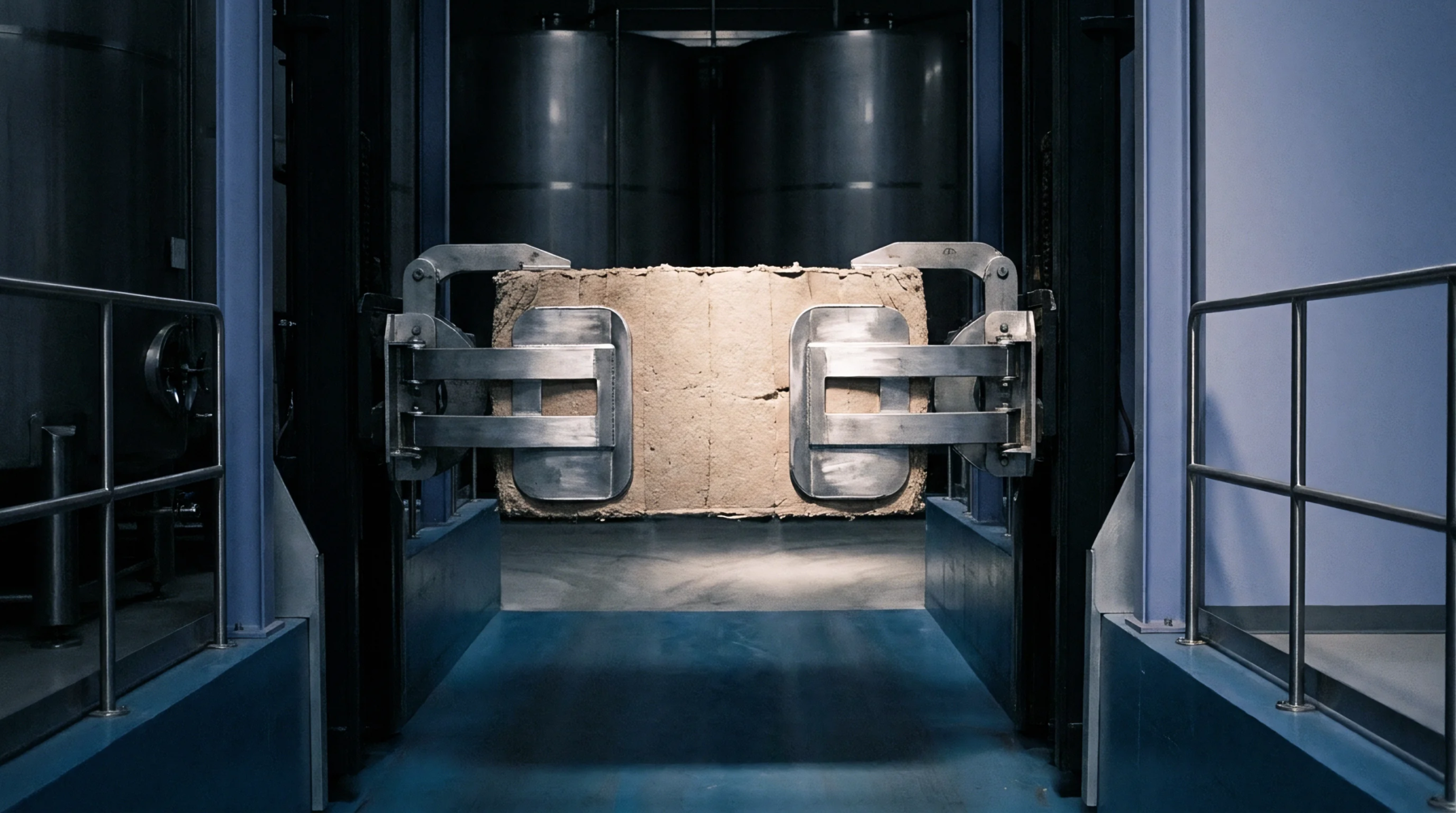
Transportation costs dictate the geographic reach of a collection facility because low-density loads lose economic viability when moved over excessive distances. Processors invest in heavy baling equipment to increase bulk density, allowing more mass per shipping container or rail wagon. Handling protocols require strict adherence to hazardous material exclusion rules to prevent radiation or explosive contamination in the melting cycle.
Contaminants like copper or zinc reduce the quality of finished steel products and necessitate advanced sorting technologies such as optical sensors or X-ray fluorescence analysis. Consistent inventory levels at production sites rely on the ability of processors to guarantee chemical composition through batch testing. Scarcity in high-grade metallic scrap creates a dependency on premium processed inputs that drives up total manufacturing costs for mills.