Extractive Secondary
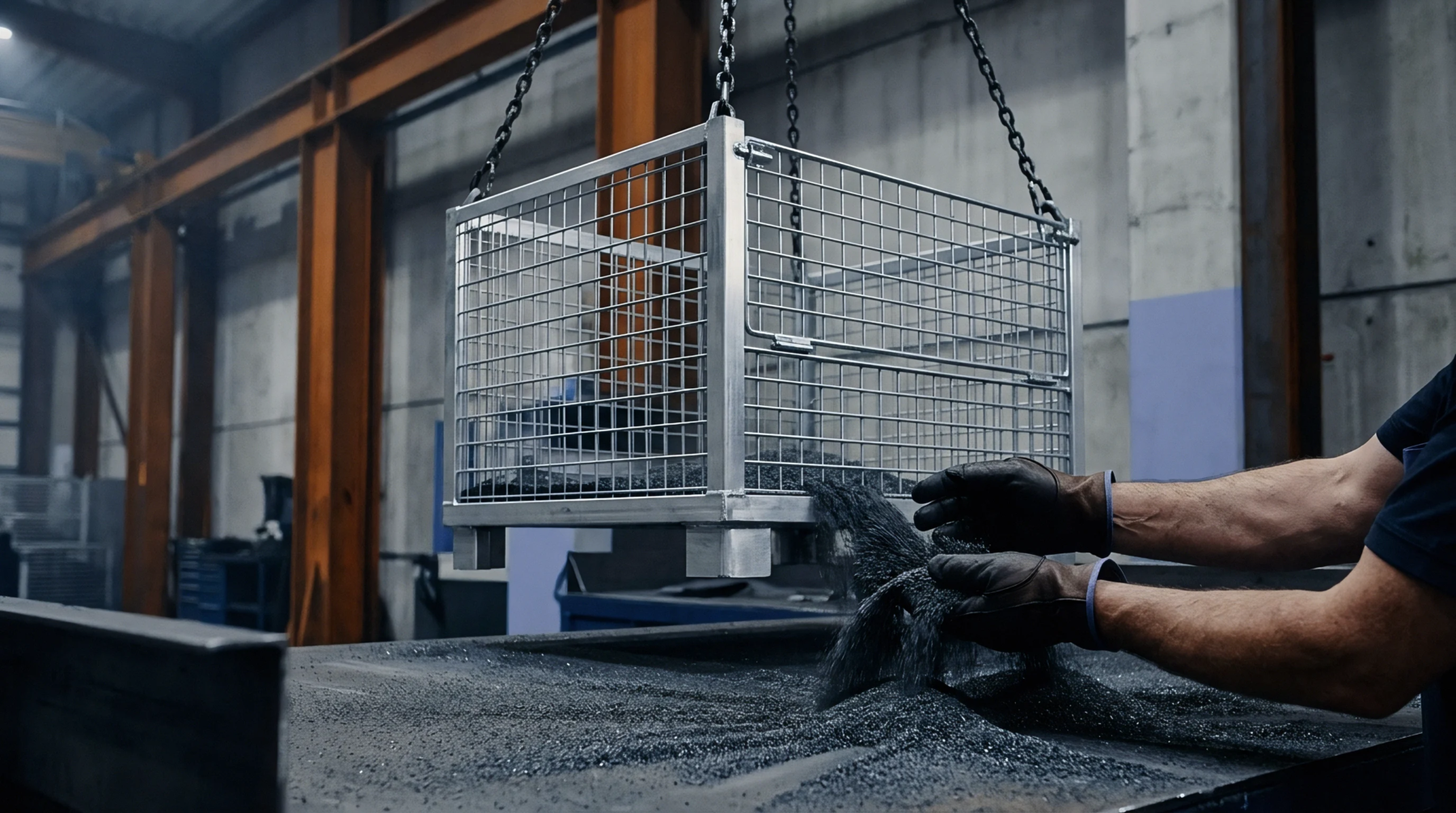
Secondary chemical compounds, residual metals and mineral slags are generated alongside primary refined metals during high-temperature metallurgical smelting operations. Metallurgical processing plants recover and manage diverse smelting byproducts, including sulfuric acid, granulated iron silicate slag, anode slimes, zinc oxide flue dust and copper telluride residues. Smelters refine these secondary streams into commercial chemical commodities or treat them for compliant environmental disposal.
Commercial Capture
Capturing secondary process streams is essential for the economic viability and environmental compliance of modern metallurgical smelters. Sulfur dioxide gas captured from sulfide ore roasting is converted into commercial sulfuric acid, which smelters sell to agricultural fertilizer manufacturers or redirect to their own leaching operations. Precious metals such as gold, silver, platinum and tellurium settle into electrolytic anode slimes during copper electrorefining, generating high-value secondary revenue streams after specialized refining.
Granulated furnace slag is sold as an aggregate for road base construction or blended into Portland cement formulations to reduce industrial clinker consumption. Handling hazardous smelting byproducts, including arsenic trioxide and lead-bearing baghouse dusts, requires specialized stabilization and containment facilities to prevent heavy metal leaching.
Financial Integration
Revenue credits from secondary sulfuric acid and precious metal recovery offset baseline metal extraction operating costs. Declining prices for byproduct sulfuric acid or local market saturation can create storage bottlenecks that constrain primary smelting capacity. Environmental liability rules dictate long-term slag disposal site management and monitoring.