Intermediate Solid
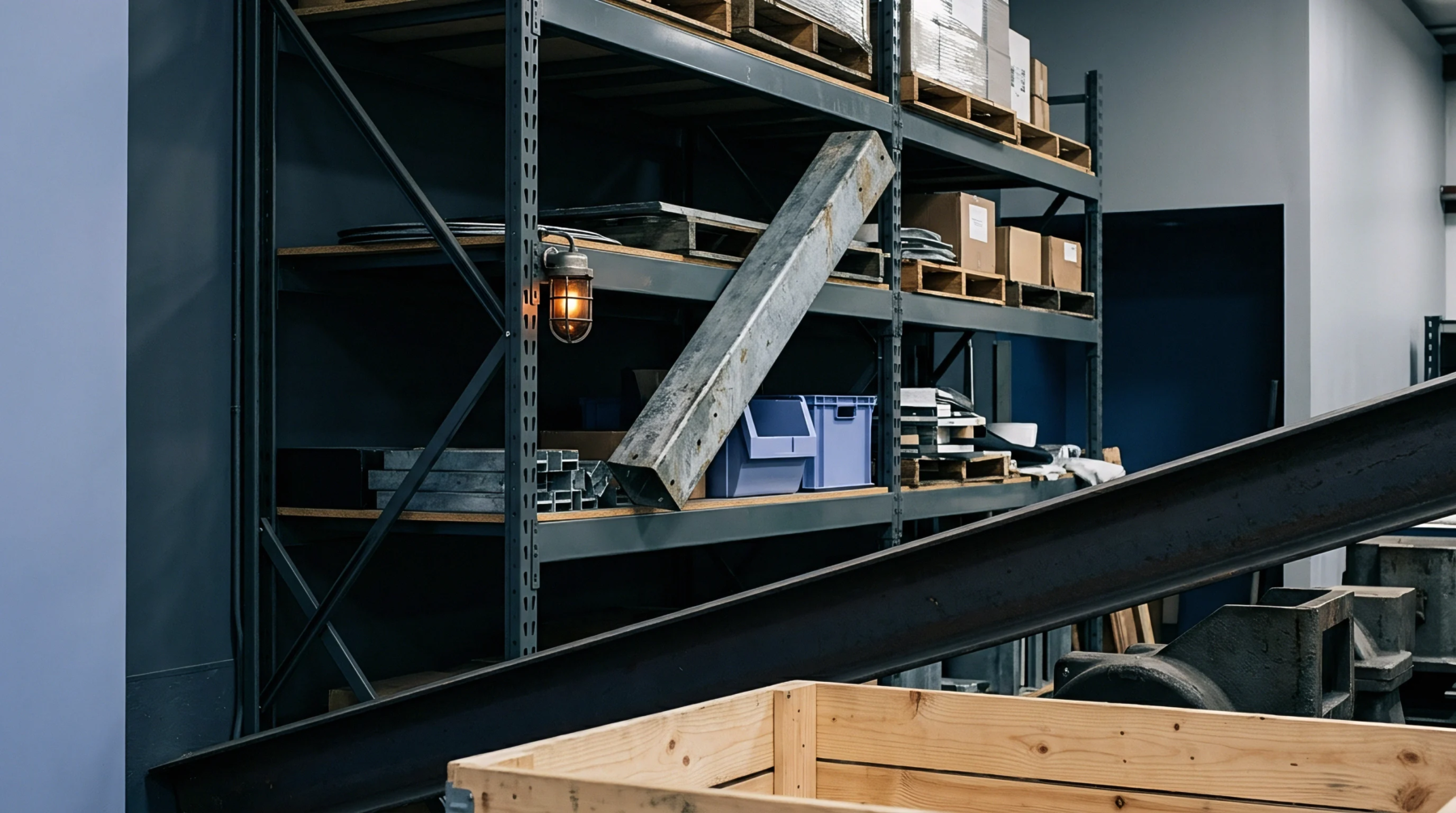
Continuous casting operations solidify liquid crude steel into standardized rectangular semi-finished products for subsequent downstream hot deformation. These solid metallurgical shapes comprise steel billets and slabs, which serve as the primary raw feed for rolling mills producing long and flat products. Billets have square cross-sections typically under two hundred millimeters per side, whereas slabs are wide, flat rectangles used to produce sheet, strip and heavy plate.
Solid finished shapes, fabricated structural steelwork and cold-drawn wire fall beyond this semi-finished product category.
Rolling Conversion
Rolling mills feed billets into continuous bar and rod mills to produce concrete reinforcing bar, wire rod, merchant bars and light sections. Slabs pass through reheat furnaces before entering hot strip mills or heavy plate mills to manufacture hot-rolled coil, structural plates and pipe feedstock. Chemical composition, inclusion cleanliness and casting parameters dictate the mechanical properties of the rolled end products.
Steelmakers track internal defects, center-line segregation and surface cracks during casting through automated ultrasonic inspection and optical surface scanners. Cross-border trade in these semi-finished shapes allows coastal re-rolling mills without ironmaking capacity to source cost-effective feed from integrated blast furnace or direct-reduced iron producers worldwide. Freight logistics involve heavy breakbulk vessels or specialized flatbed railcars equipped for high-density metallurgical cargo.
Metallurgical Boundary
Standard specifications grade billets and slabs by carbon, manganese and silicon content to ensure compatibility with downstream customer requirements. Reheating protocols must prevent excessive scale formation and surface decarburization during the rolling process. Semi-finished steel pricing represents the intermediate conversion cost between liquid crude steel and finished structural steel products.