Structural Vulnerability
Procurement managers face frequent disruptions when regional blast furnace closures restrict semi-finished product availability. Mills maintain buffer stocks near major ports to mitigate sudden shipping delays caused by adverse weather patterns or labour disputes in maritime terminals. When coking coal supplies tighten abruptly, conversion costs rise across every downstream rolling mill.
Analysts evaluate regional logistics bottlenecks by comparing scheduled delivery dates against actual arrival timestamps recorded at destination berths.
Capacity Allocation
Blast furnace operators adjust production schedules according to incoming order books gathered from automotive fabricators and construction contractors. Regional price variations dictate whether merchant bars travel by inland barge or railway flatcar. Procurement departments calculate shipping expenses on a per-tonne basis to determine the most economical freight route for heavy coils.
Regulatory bodies audit emissions data from cargo vessels carrying iron ore to ensure compliance with sulfur limits established by maritime conventions. Metallurgical grade adjustments occur mid-route when laboratory testing reveals chemical variances in delivered slabs.
Market Equilibrium
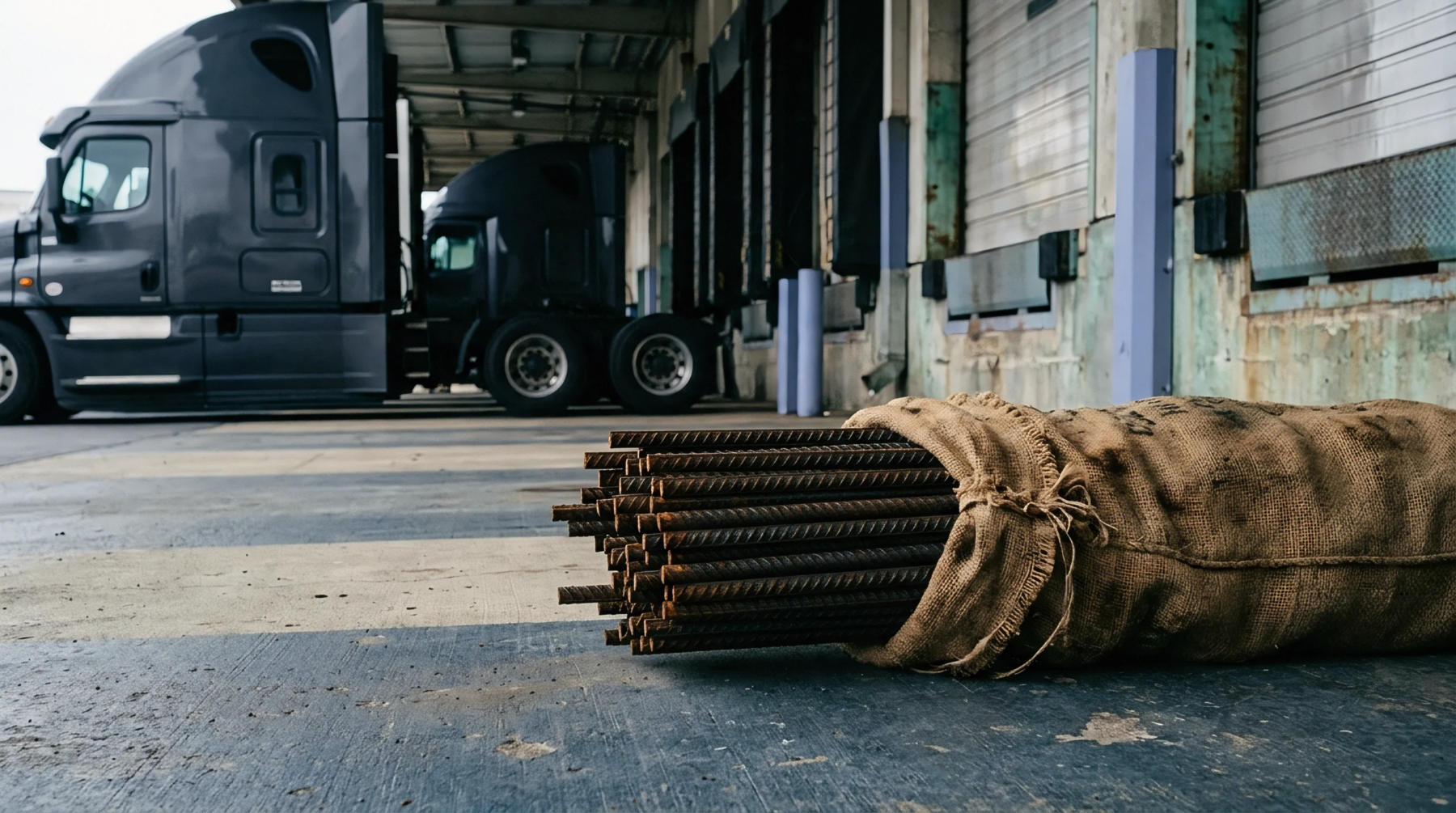
Finished plate pricing reflects underlying raw material expenditures alongside ocean freight overheads incurred during transoceanic voyages. Industrial buyers evaluate supplier reliability by measuring fulfillment accuracy over rolling quarterly periods. Port congestion alters inventory turnover ratios for regional distributors holding surplus rebar.
Scrap metal availability sets the marginal cost baseline for electric arc furnace operators competing for local scrap yields. Long term agreements stabilize input costs despite short term volatility in international shipping tariffs. Demand projections shift whenever infrastructure spending bills alter regional consumption forecasts for heavy structural beams.