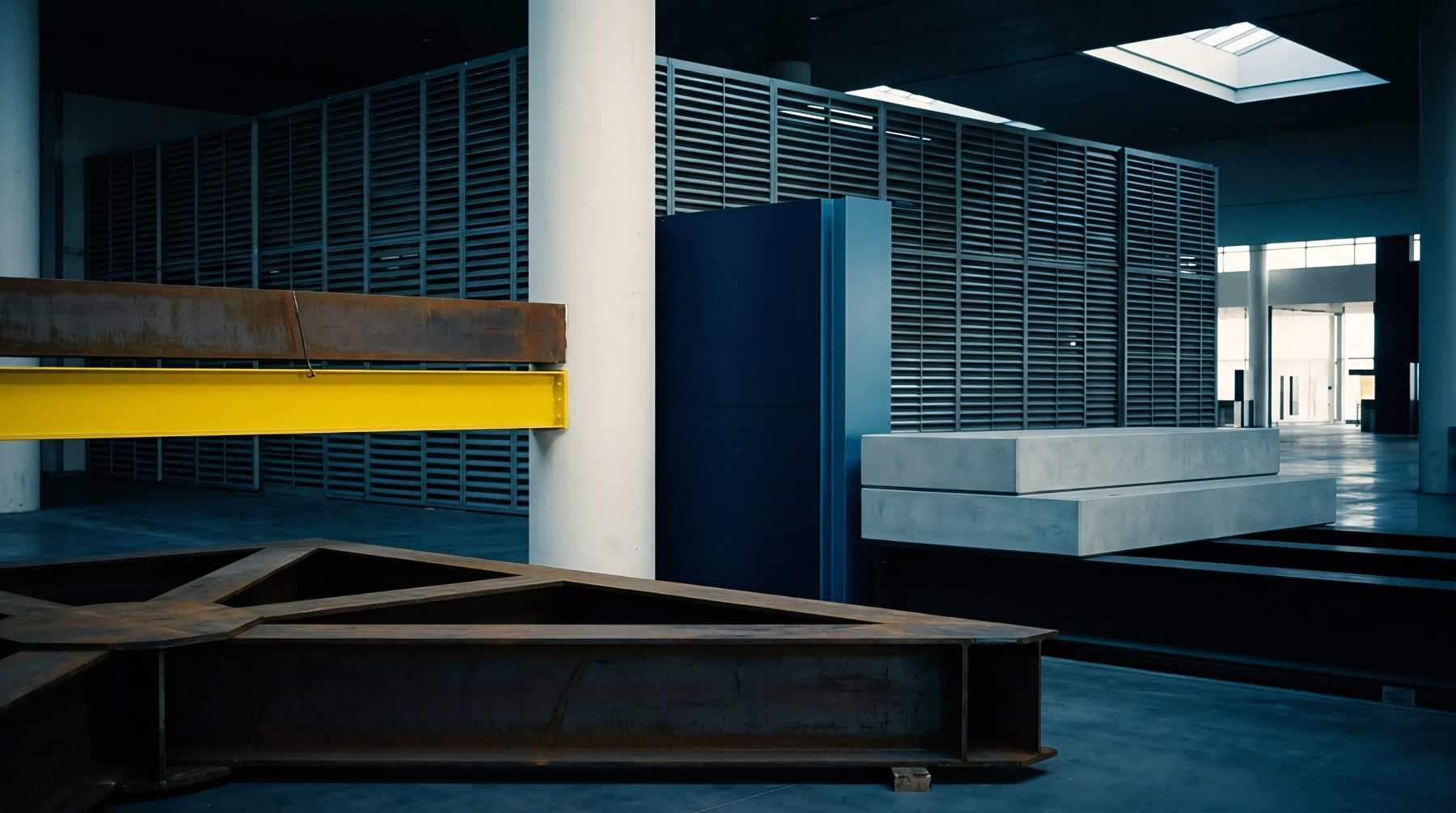
Material Classification
Standardized metal shapes engineered to bear heavy loads and provide rigidity to large buildings and infrastructure projects are fundamental to the construction industry. These structural steel sections are rolled into specific profiles like I-beams, wide flanges, channels, and hollow structural sections, each designed for optimal strength and weight efficiency. This material is produced to meet strict chemical and mechanical specifications, ensuring predictability under extreme stress.
Architects and structural engineers specify these shapes to build safe and durable frames.
Production Process
Manufacturing these shapes involves heating steel billets to high temperatures before passing them through a series of shaping rollers. This continuous hot rolling process refines the grain structure of the metal, which increases its toughness. After rolling, the sections are cooled and cut to standard lengths.
They are then shipped to fabrication shops.
Load Management
Each profile is designed to resist specific types of forces, such as bending or twisting. Wide flange beams are ideal for carrying heavy vertical loads over long spans, while hollow sections are excellent for columns that must resist forces from multiple directions. By choosing the correct shape, builders can minimize the total weight of steel required for a project.
This optimization lowers construction costs.