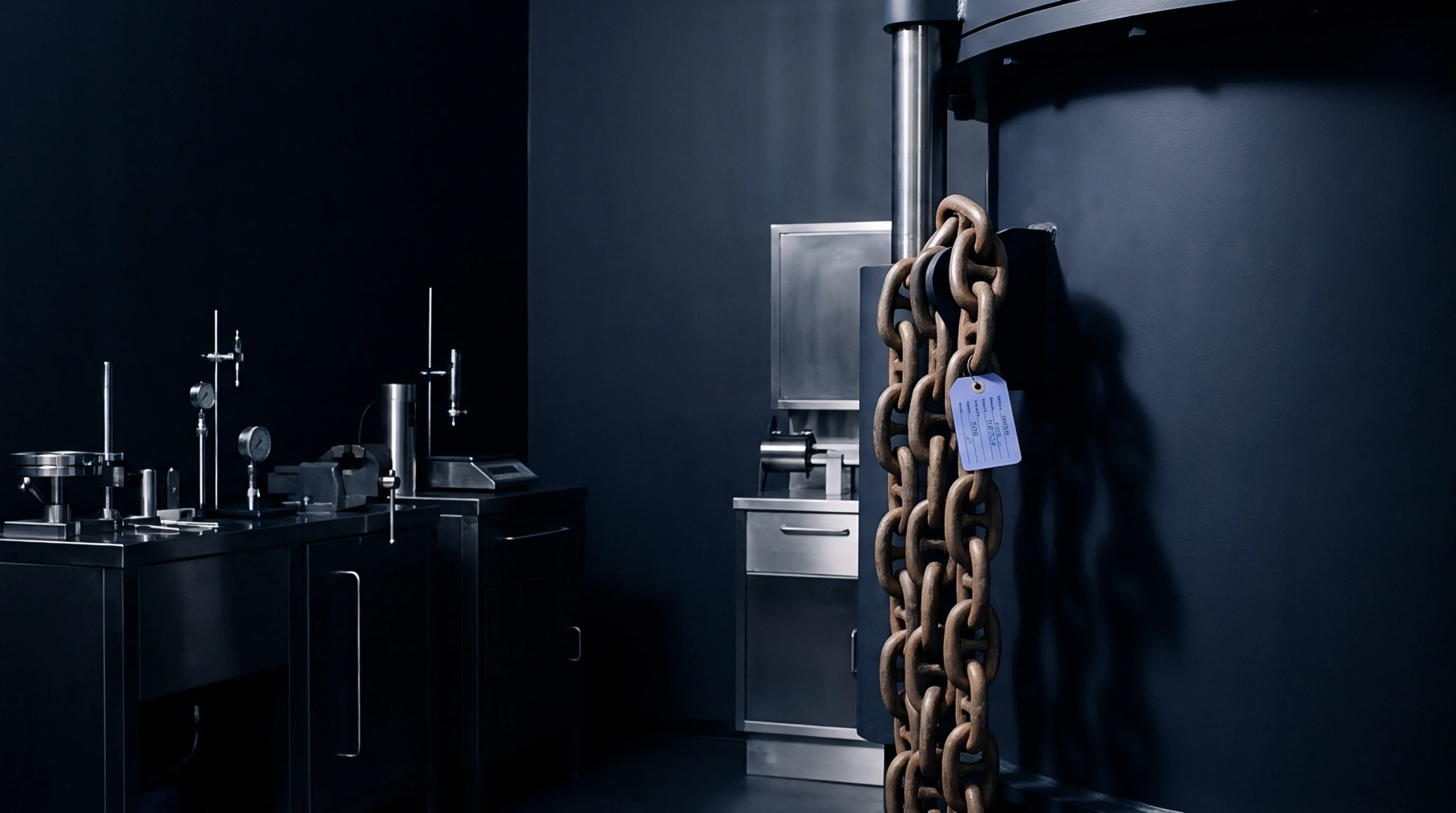
Transfer Process
The physical movement of manufacturing dies, molds, and specialized fixtures from one production facility to another optimizes assembly networks and adjusts production capacities. This tooling relocation occurs during supplier changes, factory consolidations, or regional shifts in assembly footprints. Properly coordinating this transition is necessary to prevent interruptions in the supply of finished components.
Risk Assessment
Detailed evaluations before the move must assess potential transport damage, customs delays for international shipments, and the compatibility of the tooling with the receiving facility’s machinery. Logistics teams plan the moves carefully to minimize the time the equipment is offline. Tooling downtime directly affects the inventory of finished parts, so building a buffer stock prior to the move is essential.
Production Validation
Once the equipment arrives at the destination, engineers must run trial batches to verify that the output meets all dimensional tolerances and quality specifications. Re-establishing the original process parameters is necessary to ensure that the transferred machinery produces components that are identical to the original output. This testing must be formally documented to secure customer approval and prevent any quality disputes before high-volume manufacturing restarts.
Failure to complete these checks can result in high scrap rates and delivery delays, which can quickly erase the financial benefits expected from the transition.