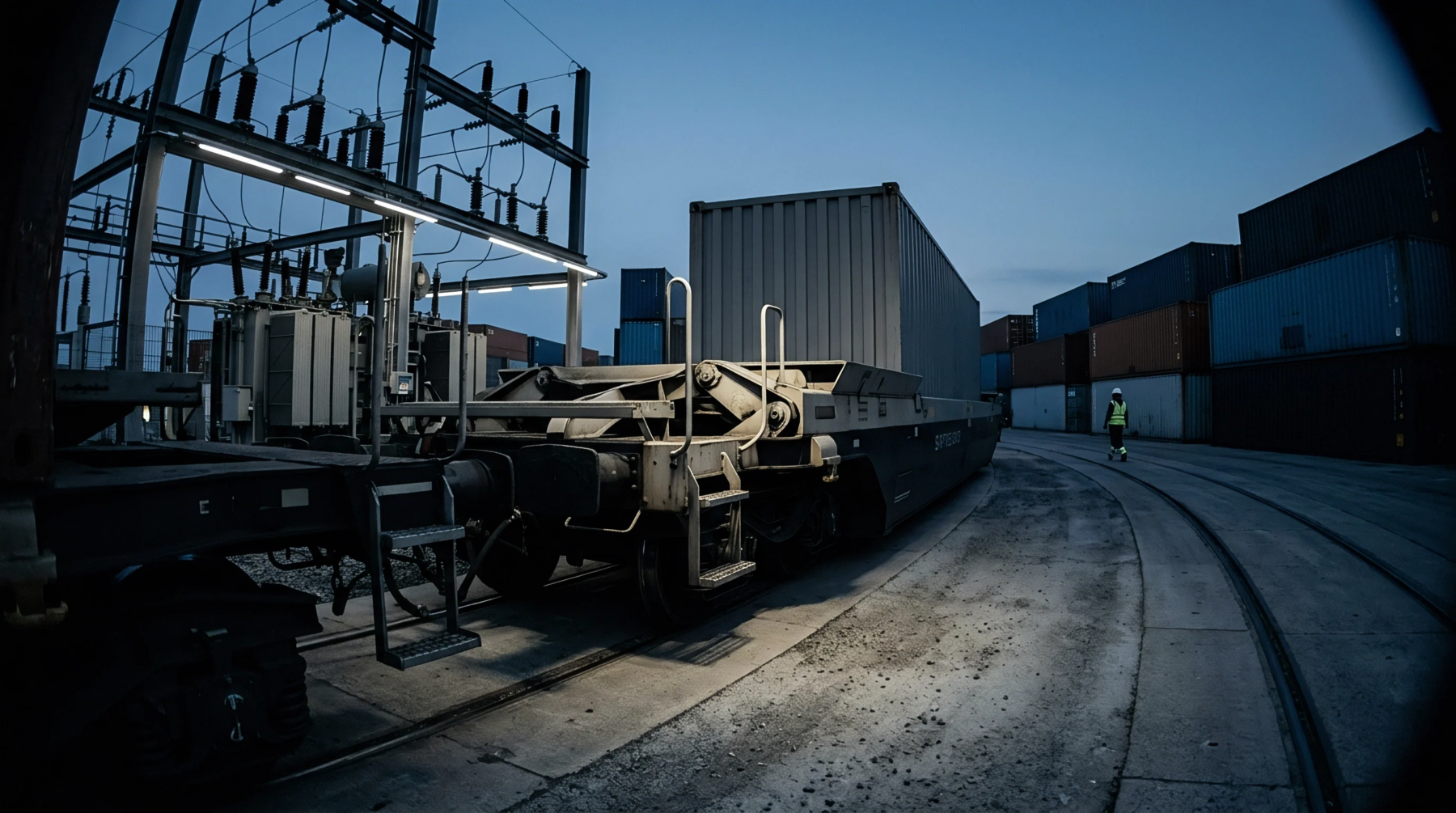
Intermediate Terminal
Specialized ports where containers move from one ship to another instead of traveling directly inland serve as the clearinghouses for global maritime trade. These transshipment hubs allow shipping lines to combine cargo from many different origins onto a single large vessel for a long-haul voyage across an ocean. This hub-and-spoke model is the most efficient way to serve many smaller ports that do not have the depth or the volume to handle the largest container ships.
Efficiency Dynamics
Performance at these locations is measured by the speed with which a box can be moved from the arriving vessel to its next departure. Because transshipment hubs handle such high volumes of cargo that is not destined for the local market, they must be automated and have vast storage areas. The success of such a port depends on its location along a major trade route and its ability to provide a wide range of connections to other destinations.
A delay at one of these central points can affect cargo moving to dozens of different countries, making them a primary link in the global network. Competitive pricing and high productivity are the factors that attract shipping lines to a specific terminal.
Having Resilience
Multiple options for moving cargo through different central ports help to protect the global system from localized disruptions. Major transshipment hubs provide the flexibility needed to reroute goods when a specific path is blocked.