Commodity Flow
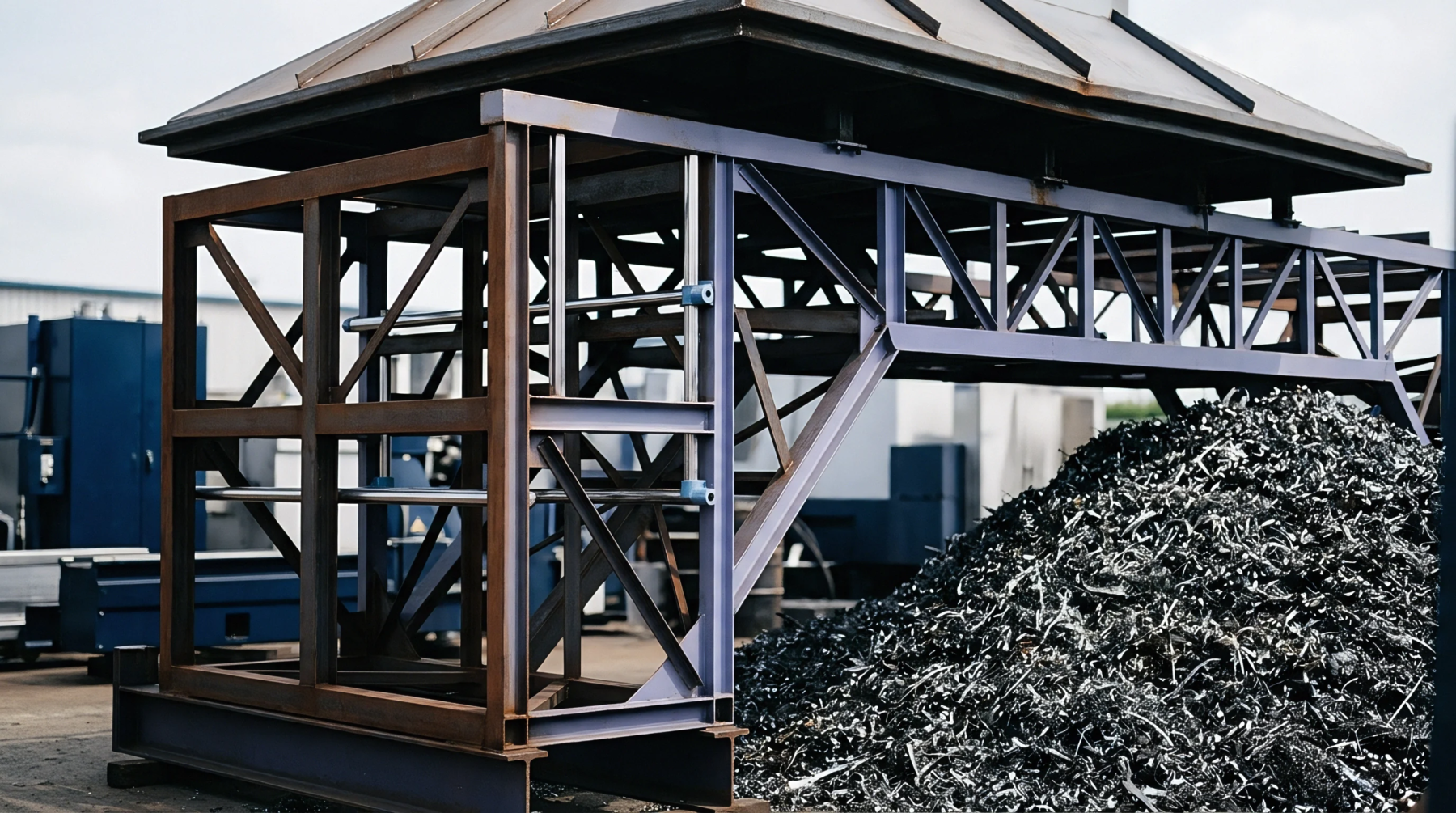
Cross-border transactions, maritime shipping and commercial trading handle secondary raw materials, industrial scrap metal, recovered paper and sorted plastic waste for industrial re-melting. Engaging in the waste and scrap trade supplies steel mills, copper smelters and paper processors with recycled inputs that reduce raw material extraction costs and energy consumption. The market covers sorted ferrous metals, shredded electronic waste, non-ferrous turnings, recovered cardboard and polymer flakes.
The trading cycle terminates when secondary commodities enter smelting furnaces or paper repulping vats at destination mills.
Quality Classification
Scrap materials trade under standardised international grading specifications that dictate allowable moisture content, foreign matter limits and chemical composition. Inspectors sample bulk scrap shipments at processing yards and port docks, using handheld x-ray fluorescence analysers to verify alloy compositions before loading. Buyers reject or discount scrap shipments containing prohibitive contaminants like hazardous electronics, radioactive components or excessive oil residues.
Contamination thresholds in importing nations require sorting facilities to invest in eddy-current separators, optical sorters and manual picking lines to clean recycled streams. Customs declarations require precise tariff code classification to distinguish clean industrial scrap from restricted hazardous waste categories.
Cross-Border Friction
International environmental conventions regulate waste shipments to prevent the dumping of contaminated materials into developing economies. Export bans on unprocessed scrap metal and strict import quality ceilings force domestic recyclers to process waste into high-purity pellets or ingots prior to export. The waste and scrap trade sets market pricing for industrial circular inputs and underpins global secondary resource recycling networks.