New US Methylene Chloride Ban Forces Chemical Sourcing Shifts

Retailers and industrial buyers must replace methylene chloride stocks before 2025 compliance deadlines to maintain market access.


30.08.26 2 min

Briefing

The US EPA has finalized a rule banning methylene chloride across consumer applications and most commercial operations to lower health risks. Retailers have until February 2025 to clear affected paint strippers and degreasers from shelves. Permitted industrial facilities that plan to keep using the chemical must establish comprehensive workplace chemical protection programs. In total, the rule restricts roughly 300 million pounds of annual chemical production.

Stacked industrial material samples sit under a flowing blue translucent polymer sheet in a digital render of supply chain logistics.

Context

Methylene chloride has long been a standard, high-efficiency solvent for paint stripping and metal cleaning across industrial sectors. Procurement teams were watching closely to see if the EPA would stop at warning labels or offer narrow exemptions to manage exposure. For buyers, the primary concern has been whether drop-in substitutes can match baseline performance without driving up costs.
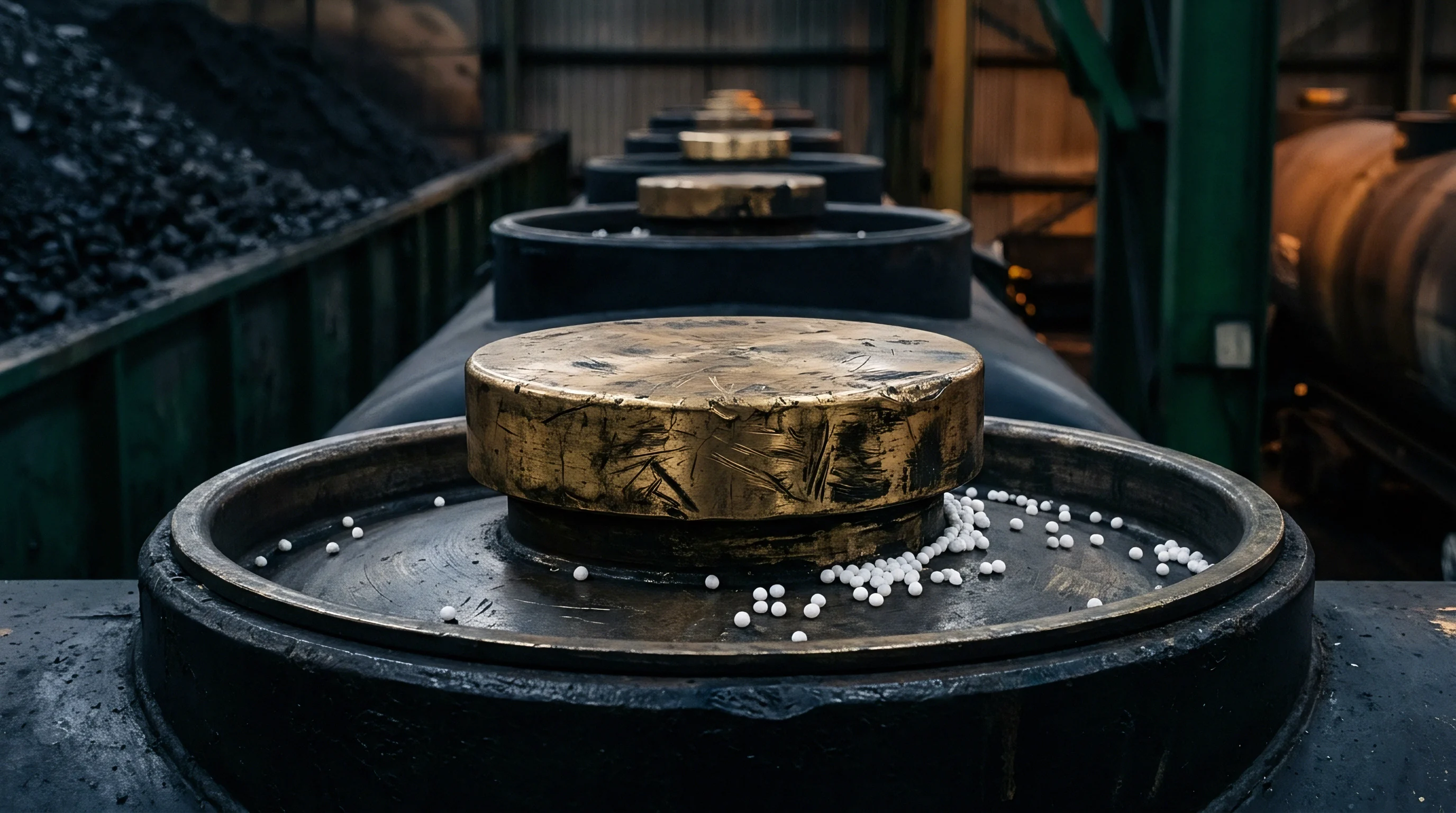
White polymer pellets scatter on the metallic hatches of bulk cargo tank cars parked inside an industrial distribution terminal.

Analysis

Pushing the chemical out of commercial channels creates immediate demand for alternatives like dimethyl sulfoxide and dibasic esters. Formulators are already reworking legacy products, while importers sourcing from overseas facilities must check product contents against the new federal thresholds to avoid border rejections. Compliance costs will hit chemical suppliers and finished-goods makers unevenly. Procurement desks should expect suppliers to pass along research and testing expenses during upcoming contract negotiations, while inventory levels remain volatile as companies clear out old stock ahead of the retail ban.

A large rectangular ingot of raw industrial metal rests within a wooden crate surrounded by snow in an outdoor freight terminal.

Parameters

  • Consumer Prohibition Date ~ February 2025 is the cutoff for retailers to stop selling products containing the chemical.
  • Industrial Use Cut-off ~ May 2025 is the deadline for facilities in permitted sectors to have workplace hazard controls fully in place.
  • Total Market Volume ~ 300 million pounds in annual chemical production will be constrained under the new limits.
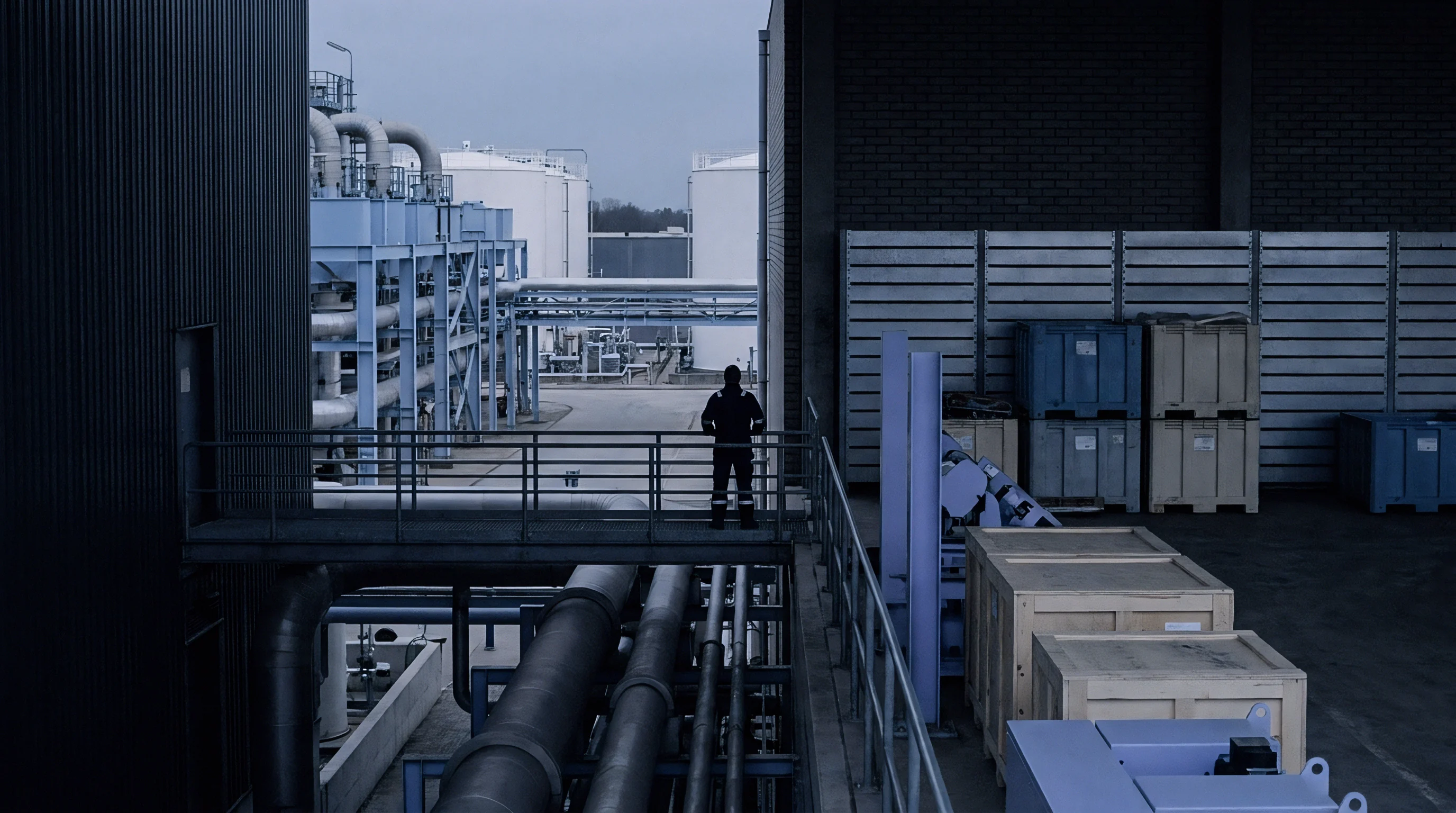
A uniformed operative observes industrial pipes and storage structures from an elevated metal walkway at a chemical processing complex.

Outlook

Procurement teams should track pricing trends for alternative solvents through the first quarter of next year. Buyers will need to verify reformulations directly with tier one suppliers ahead of the February enforcement date to prevent inventory gaps. Over coming quarters, contract negotiations will inevitably reflect the higher overhead of compliant ingredients and documentation.

Various flat industrial panels in blue, purple, and beige tones are arranged in overlapping layers, with a dark textured component on the left.

Verdict

Buyers need to identify all products containing methylene chloride and lock down sources for compliant substitutes before the February 2025 retail deadline.

Signal Acquired from: US Environmental Protection Agency

Nomenclature

Safety Testing

Quality Assurance ~ Product development cycles require systematic evaluations to confirm that materials and assemblies meet mandatory performance and health standards.

Chemical Compliance

Regulatory Validation ~ Statutory adherence defines the degree to which industrial substances align with regional safety frameworks and environmental statutes.

Hazardous Chemicals

Classification Criteria ~ Industrial substances posing immediate threats to human physiological stability or ecological integrity constitute hazardous chemicals.

Sourcing Rules

Compliance Framework ~ Formal protocols and legal requirements govern the selection of suppliers and the acquisition of materials in international trade.

Regulatory Phaseout

Policy Transition ~ Systematic removal of a specific substance or technology from the market over a defined period of time allows industries to transition to safer or more efficient alternatives.

Supply Chain Audit

Network Examination ~ Formal evaluation procedures verify whether external vendor operations align with legal standards, contractual obligations and social compliance benchmarks.

Methylene Chloride

Solvent Classification ~ Dichloromethane functions as a volatile organochlorine compound widely employed as a heavy duty industrial degreaser and paint stripper.

TSCA Standard

Chemical Regulation ~ Federal rules governing the manufacturing, processing, storage and distribution of chemical substances in the United States protect the public from unreasonable risks by requiring systematic evaluation of potential hazards.

Import Compliance

Regulatory Mandate ~ Import compliance acts as the operational framework of trade law that governs the movement of goods across sovereign borders to ensure that every incoming shipment aligns with national legal requirements and international treaty obligations.

Solvent Sourcing

Sourcing Strategy ~ Acquiring high-purity liquid dissolving agents requires a balance between raw material purity specifications, storage capacity, and regional transport options.

What the firm knows, published

Expertise is a utility, not a secret. sentiention™ publishes its working knowledge as open reference: intelligence layer covering the materials it sources, the markets it enters, and the reference that serves both.