3d Printed Metallic Glass Components Increase Electric Motor Efficiency
3D printed metallic glass components let motor buyers optimize efficiency and reduce battery dependencies.
Briefing
European Union researchers have used laser-based metal 3D printing to produce electric motor parts from metallic glass, giving industrial buyers a path toward smaller motors that rely less on large battery packs. Replacing standard crystalline steel laminations with amorphous alloys cuts internal heat generation and energy loss. In battery-powered equipment, this yields an efficiency gain of up to 5 percent, lowering the volume of specialty copper and steel needed in standard motor assemblies.
Context
Procurement teams routinely track power draw and weight limits because electric motors account for over 50 percent of all industrial electricity used in the European Union. Sourcing managers have typically focused on monitoring premium electrical steel prices and tweaking mechanical designs for marginal gains. The broader question was whether a material change could bypass the limits of standard metal laminations without driving up manufacturing labor costs.
Analysis
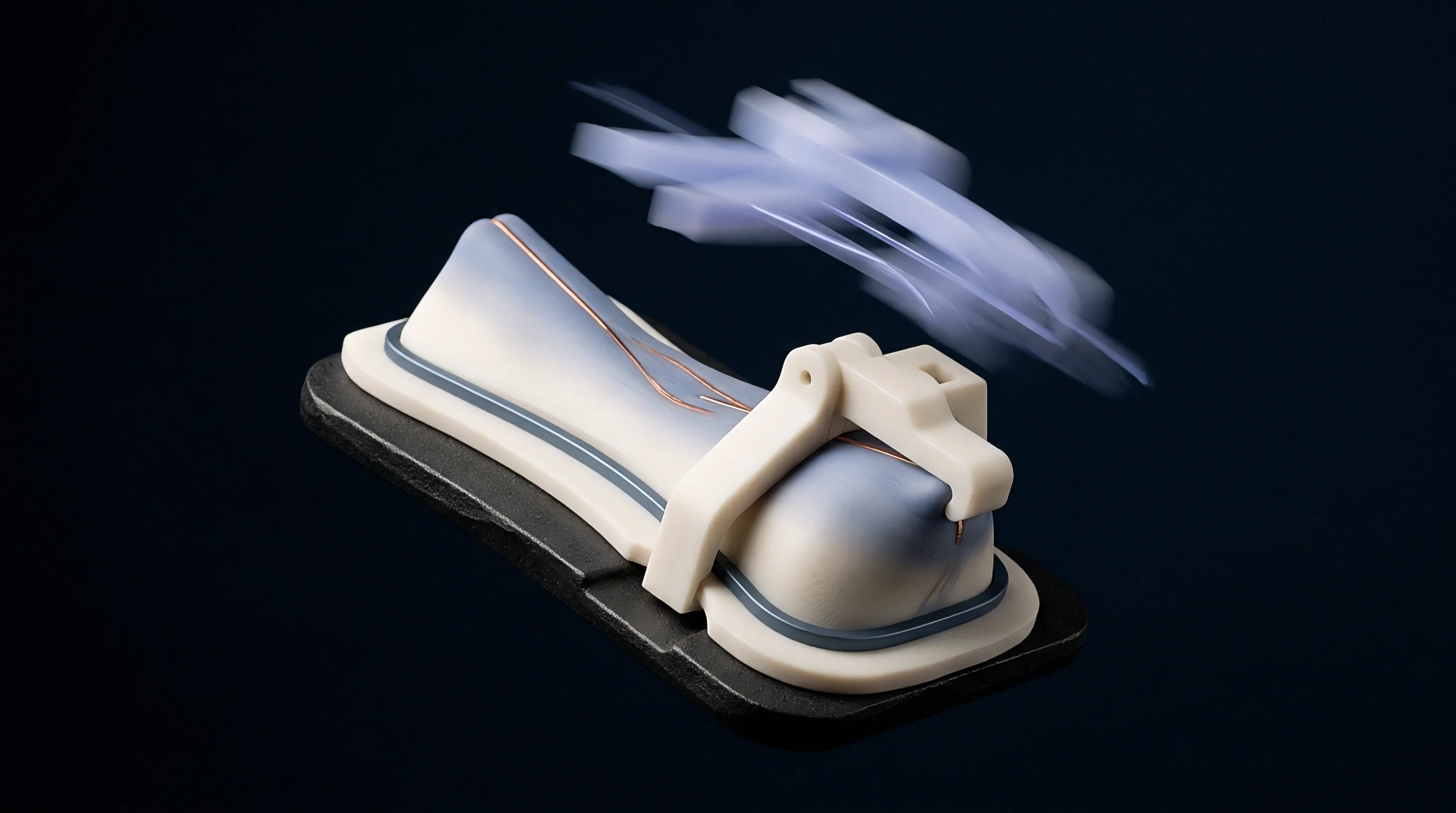
Conventional metals develop ordered crystal structures as they cool, forming physical boundaries that resist magnetic shifts and waste energy as heat. Metallic glass freezes into a disordered atomic structure instead, behaving like a frozen liquid where magnetic fields shift with very little resistance. Researchers printed these components using laser powder bed fusion, melting metal powder with a laser and cooling it fast enough to prevent crystallization. That eliminates labor-intensive stamped steel laminations, though it relies on dedicated laser machine time. Higher upfront fabrication costs for the component are balanced across the system by requiring smaller, lighter batteries to hit the same operating runtime.
Parameters
- Efficiency Gain ~ Up to 5 percent potential improvement in motor efficiency using printed metallic glass parts.
- EU Motor Energy Share ~ 50 percent of all electricity consumed in the European Union is used by electric motors.
- Ecodesign Annual Savings ~ 106 TWh of electricity targeted for annual savings by 2030 through efficiency policies.
- Research Project End Date ~ February 2026, marking the completion of the AM2SoftMag initiative.
Outlook
Moving from lab prototypes to commercial supply chains hinges on scaling up laser powder bed fusion production. Sourcing teams will need to follow full-motor validation trials to see if lower iron losses hold up under sustained heat and mechanical stress. Announcements and filings from major European motor makers about AM2SoftMag materials will indicate whether the alloy is heading toward standard production schedules.
Verdict
Engineers should begin talking with additive manufacturing suppliers to assess metallic glass as a long-term option for shrinking motor and battery footprints.