New EU Duties on Brazilian Softwood Plywood Settle Sourcing Costs

Definitive EU duties of 5.4 percent on Brazilian softwood plywood will lock in long-term import costs for construction buyers.


30.08.26 2 min

Briefing

The European Commission has finalized a definitive 5.4 percent anti-dumping duty on Brazilian softwood plywood imports, ending provisional uncertainty with a fixed five-year tariff regime. Sourcing teams now face a structural price floor on Brazilian timber, which has long served as a low-cost, high-volume alternative to European softwood. Importers must pay the 5.4 percent surcharge on all non-exempt shipments, raising landed costs across construction and packaging supply chains. The trade decision concludes a multi-month investigation brought by EU producers, who demonstrated an injury margin of 94 percent.

An aged metal kettle and a brass bell rest on light blue textile over varied raw material samples and industrial surfaces.

Context

Heading into the final order, procurement desks were tracking the provisional tariff levels introduced in late 2025. Buyers watched to see whether final duties would settle near the initial rate or jump toward the higher injury calculations. At the same time, sanctions on timber from Russia and Belarus had already squeezed regional supply, increasing European reliance on South American wood.

An operator examines a veined marble slab secured inside a perforated transport cassette within an industrial sourcing facility.

Analysis

The Commission acted after the Softwood Plywood Consortium showed that underpriced Brazilian imports were undercutting domestic producers. Customs authorities now collect the 5.4 percent deposit at EU entry points on affected shipments, forcing buyers to absorb the extra cost or look for alternative suppliers. However, the Commission exempted one cooperative Brazilian exporter, Nereu Rodrigues & Cia Ltda, from the duty. That exemption will likely concentrate buyer demand on a single source, creating fast order backlogs and stretched delivery timelines. Importers unable to secure volume from Nereu Rodrigues & Cia Ltda must decide between paying the duty on Brazilian stock or switching to pricier European domestic softwood.

A brushed metal fastening plate is secured to a cylindrical rod mounted on a dark textured display board alongside textile swatches.

Parameters

  • Regulation Code ~ Commission Implementing Regulation (EU) 2026/822.
  • Definitive Duty Rate ~ A 5.4 percent import surcharge applied to Brazilian softwood plywood.
  • Exempt Supplier ~ Nereu Rodrigues & Cia Ltda, the single producer excluded from the tariff.
  • Calculated Injury Margin ~ The 94 percent European industry harm level calculated by investigators.
  • Effective Date ~ April 16, 2026, marking the start of the five year enforcement term.

An executive meeting table displays diverse material samples, notebooks, and digital communication tools ready for product development and strategic sourcing discussions.

Outlook

Buyers will need to monitor spring price indices for European spruce and pine to see how regional sawmills adjust to the new protection. The main question is whether domestic producers will raise their own prices or hold them steady to capture market share from penalized Brazilian imports.
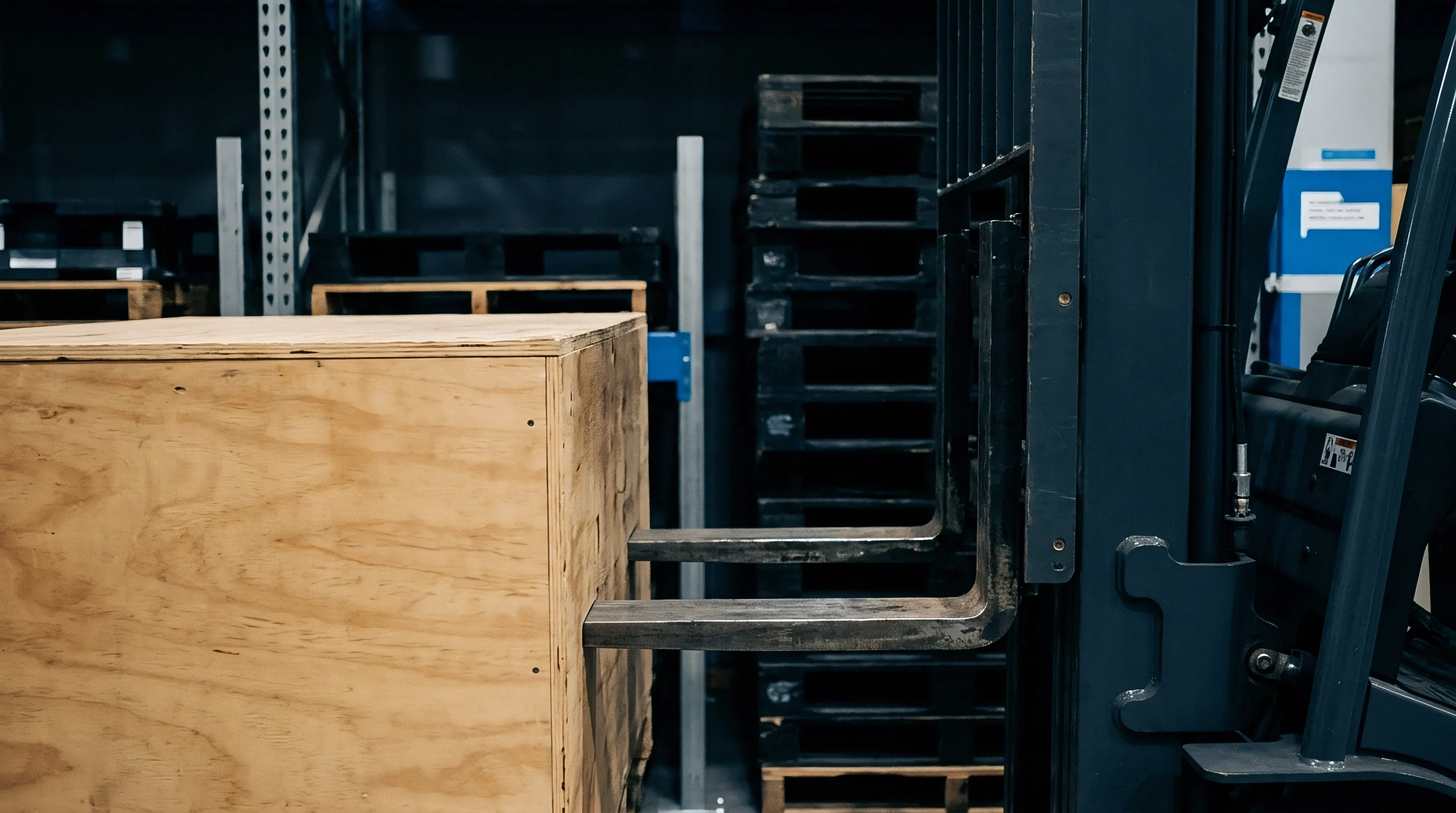
Heavy steel forklift forks engage the underside of a large plywood shipping crate inside an industrial warehouse containing multiple stacked black plastic pallets.

Verdict

Importers should move quickly to lock in allocations with the exempt Brazilian supplier or renegotiate European contracts to mitigate the 5.4 percent cost increase.

Signal Acquired from: European Union EUR-Lex

Nomenclature

Construction Wood

Material Classification ~ Structural lumber functions as the primary load bearing component in light frame architecture and timber construction.

Lesser Duty Rule

Tariff Selection ~ Administrative protocols determine the appropriate import levy by evaluating competing classifications for a single shipment.

Anti-Dumping Duties

Regulatory Scope ~ Government intervention measures are applied to foreign goods sold below their fair market value to prevent injury to domestic industries.

Wood Products Procurement

Fibre Contracting ~ The systematic commercial purchasing of primary sawntimber, engineered wood panels, treated lumber, and composite structural timber assemblies forms the operational core of structural lumber acquisition.

Tariff Management

Duty Compliance ~ Administrative oversight of cross-border levies allows firms to regulate the financial impact of movement between trade zones.

Timber Supply Chain

Flow Velocity ~ Wood material moves through an extended commercial timber supply chain from stump to final construction site or manufacturing floor, governed by seasonal extraction limits and port handling capacities.

Softwood Plywood Sourcing

Structural Acquisition ~ The commercial identification, technical qualification, and procurement of cross-laminated structural veneer panels produced from coniferous tree species constitutes an established building material supply chain function.

Trade Defense Instruments

Corrective Protection ~ Legal mandates allow national authorities to apply additional duties or volume restrictions on foreign goods when exporters undercut domestic production through unfairly low pricing or government subsidies.

EU Trade Remedies

Regulatory Framework ~ Commercial defense instruments protect regional manufacturers from unfair foreign competition and market distortions.

Forestry Materials

Fibre Class ~ Unprocessed roundwood, debarked logs, wood chips, and primary vegetative biomass extracted from commercial woodlands constitute the raw feedstocks of the timber supply chain.

Procurement Contracts

Binding Agreement ~ Legally enforceable documents that set the terms for the exchange of goods and services between a buyer and a supplier form this category.

Duty Compliance

Tariff Obligations ~ Financial liability for the payment of import taxes constitutes the primary definition of this practice.

What the firm knows, published

Expertise is a utility, not a secret. sentiention™ publishes its working knowledge as open reference: intelligence layer covering the materials it sources, the markets it enters, and the reference that serves both.