LME Zinc Prices Reaching Four Year High as Inventories Fall

Low exchange stocks and mine supply cuts push benchmark zinc prices to levels last seen in June 2022.


28.08.26 2 min

Briefing

London Metal Exchange zinc prices have reached their highest level since 2022 as global inventories continue to drain. Following mine closures and weather-related disruptions across Latin America and China, LME warehouse stocks have dropped to 95,000 tonnes ~ a three-year low. The drawdown leaves industrial buyers with tight prompt supply and sharply higher physical premiums, with exchange inventories now down 64 percent since the start of 2025.

A digital illustration shows a multi axle flatbed truck transporting a block holding a large gold bar along an elevated dark roadway.

Context

Procurement desks had anticipated that Chinese exports would plug regional supply gaps during the off-season, waiting on an inventory rebuild that never materialized. Instead, an acute deficit of concentrate forced smelters to curb throughput across the first half of the year.

A miniature steel electricity pylon model connects via thin filaments to a dark mineral lump resting inside an industrial workshop.

Analysis

Sourcing economics are being driven by a severe shortage of zinc concentrate. Weaker mine head grades and weather halts at key operations have choked off feed, driving treatment charges into negative territory. With smelters taking cash losses simply to secure raw units, output cuts followed quickly. That concentrate deficit has now spilled into major exchange warehouses as a physical metal shortfall, locking the prompt curve in backwardation as immediate spot purchases carry a steep premium over forward dates.

Heavy industrial machinery components and logistics transport vehicles appear alongside digital server infrastructure within a dark production facility environment.

Parameters

  • LME Cash Price ~ $4,107 per metric tonne, the highest recorded settle since 2022.
  • LME Inventory Level ~ 95,000 metric tonnes, marking the bottom of a multiyear downward trend.
  • Nearby Physical Premium ~ $215 per ton markup for cash contracts over three-month benchmarks.
  • Global Supply Deficit ~ 200,000 tonnes, representing the expected shortfall for the current calendar year.
  • Concentrate Production Trend ~ 2.1 percent annual decline in mine output across global suppliers.

A stainless steel high pressure clamp secures a blue nitrile glove against a central vertical metal cylinder in a controlled environment.

Outlook

Sustained high prices typically force buyers to shift delivery schedules or test thinner galvanizing coatings. Upcoming customs filings will clarify whether refined metal from China is making its way to international sheds to loosen the market. Buyers need to watch LME holdings against the 95,000 tonne floor ~ a drop through that level makes another rally likely.
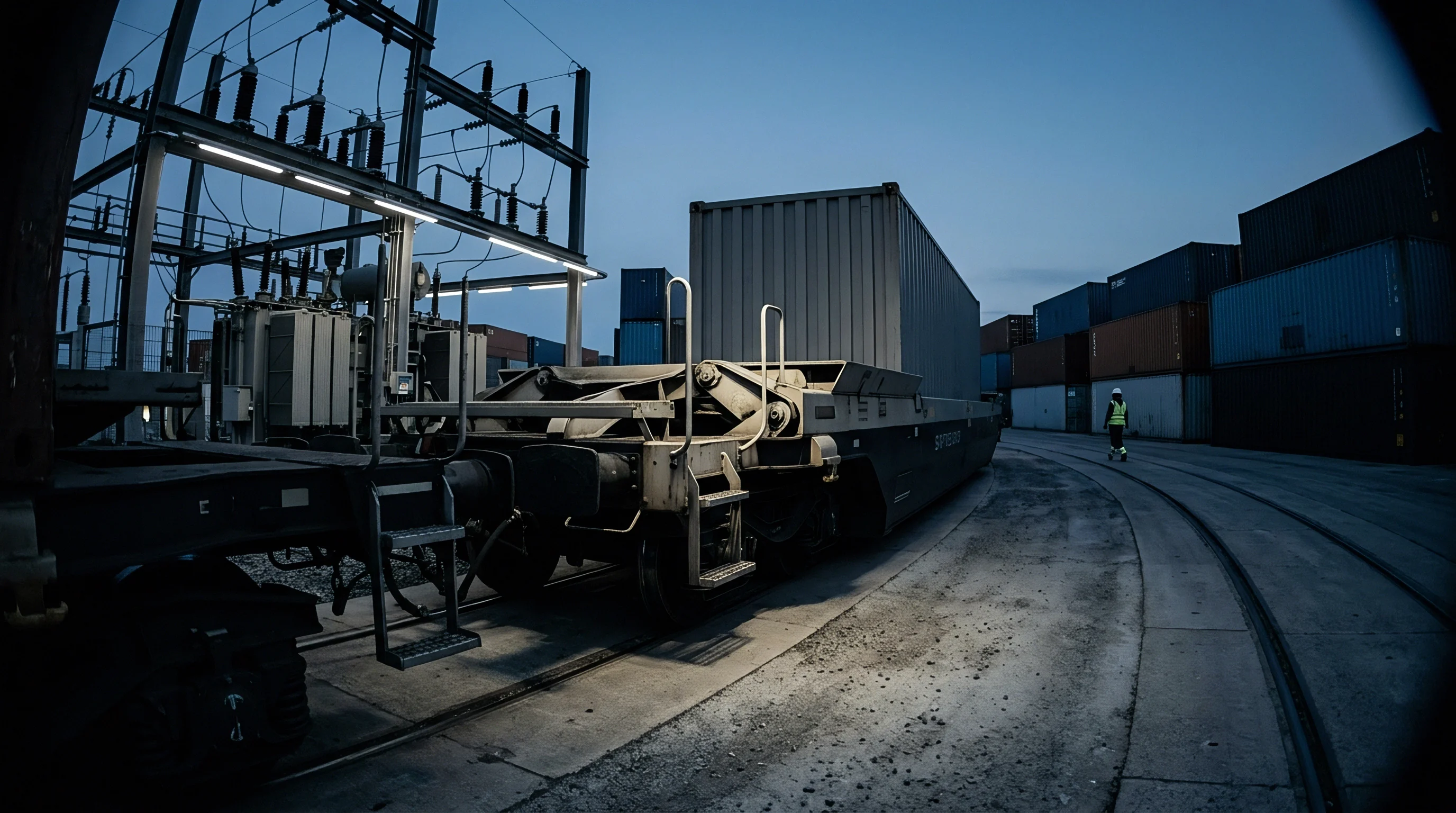
Heavy container flatbeds rest on railway tracks beside a high voltage electrical substation near lines of stacked intermodal steel transport units.

Verdict

Industrial buyers must prepare for sustained higher zinc benchmark prices and elevated physical spot premiums through the current quarter.

Signal Acquired from: MINING.COM

Nomenclature

Refined Metal Sourcing

Metal Procurement ~ Procurement protocols govern how industrial consumers secure refined metal sourcing across international commodity exchanges and direct smelter channels.

Mining Production Cuts

Output Control ~ Industrial entities execute mining production cuts when operational capacity exceeds current market demand or when geological constraints necessitate a shift in extraction schedules to protect long term asset viability.

Metal Supply Patterns

Logistical Distribution ~ Industrial entities track metal supply patterns to monitor the movement of raw materials from extraction sites to production facilities.

Galvanized Steel Costs

Market Metric ~ Industrial purchasing managers track galvanized steel costs to gauge weekly movements in raw metal manufacturing inputs alongside zinc coating application charges.

Commodities Desk

Trading Structure ~ Financial and physical trading divisions within investment banks, commercial firms, or brokerage houses manage market exposure across energy, metals, and agricultural goods.

Metal Warehouse Stocks

Inventory Definition ~ Physical commodity holdings stored within approved exchange facilities provide a centralized quantitative measure of deliverable raw materials ready for immediate market circulation.

Spot Metal Pricing

Market Valuation ~ Industrial transactions depend on spot metal pricing to establish the immediate economic worth of unworked commodities available for prompt delivery.

Zinc Concentrate Markets

Concentrate Valuation ~ Specialized raw material trading networks connect primary zinc mining operations with custom smelters to buy and sell unrefined zinc sulfide ore concentrates.

London Metal Exchange

Pricing Authority ~ The primary global center for industrial metals trading provides benchmark pricing and physical delivery mechanisms for the world's base metal markets.

Metal Warehouse Warrants

Negotiable Possession ~ Negotiable warehouse warrants act as primary legal titles for physical commodities stored in authorized logistics facilities, providing the owner with a verifiable claim against the custodian for the delivery of specified metal grades.

Smelter Feed Shortages

Production Constraint ~ Raw material availability functions as the primary throttle for metallurgical output levels when downstream demand requires consistent metal production across global markets.

Smelter Utilization

Production Ratio ~ Furnace throughput relative to nameplate capacity measures how effectively a primary metallurgical plant converts raw ore into refined metal over a specific reporting cycle.

What the firm knows, published

Expertise is a utility, not a secret. sentiention™ publishes its working knowledge as open reference: intelligence layer covering the materials it sources, the markets it enters, and the reference that serves both.