Major Producers Raise Acrylic Emulsion Prices Forcing Higher Sourcing Budgets

Acrylic emulsion prices are rising by ten to fifteen percent as feedstocks surge, escalating paint and coating costs.

03.09.26 2 min

Briefing

Major chemical manufacturers have raised prices by 10% to 15% for water-based acrylic emulsions, forcing buyers across architectural coatings, industrial paints, and adhesives to adjust procurement budgets. Guangdong Henghe Yongsheng, Shanghai Baolijia, Bardefu Group, and Wanhua Chemical instituted the hikes following a surge in raw monomer costs. Downstream processors must now absorb higher intermediate prices, with spot buyers facing immediate re-quotes and contract holders expecting price adjustments in the fourth quarter.

The market shift stems from an immediate 15% price jump in key monomer feedstocks.

Precision mechanical assemblies and raw material swatches are arranged on a painted wooden workbench for industrial sourcing evaluation.

Context

Before these announcements, procurement desks were tracking a stabilizing crude market, hoping early summer resin prices would hold through autumn contract negotiations. Sourcing managers expected Chinese and global chemical producers to absorb minor feedstock swings to protect market share. The main uncertainty was whether soft downstream construction demand would force emulsion suppliers to squeeze their own margins rather than pass along higher monomer costs.

An operator examines a veined marble slab secured inside a perforated transport cassette within an industrial sourcing facility.

Analysis

Base ingredient costs have climbed too far for emulsion makers to absorb. Key monomers ~ butyl acrylate, methyl methacrylate, and 2-ethylhexyl acrylate ~ depend on crude-derived intermediates that have tracked crude oil higher amid geopolitical friction. Chemical plants have little room left to compress processing margins.

With raw materials accounting for ninety percent of water-based acrylic emulsion costs, higher monomer prices translate almost immediately into finished resin prices. Buyers will see the adjustments on upcoming purchase orders, even as contract lead times stay stable. The stretch of weak intermediate pricing is over, shifting costs directly down the supply chain.

A manufacturing specialist examines a heavy steel industrial swivel alongside diverse material samples and a photovoltaic solar panel in a studio setting.

Parameters

  • Price Increase Range ~ 10% to 15% across water-based acrylic emulsion product lines.
  • Effective Date ~ September 1, 2026 for updated manufacturer price sheets.
  • Key Feedstock Monomers ~ Butyl acrylate, methyl methacrylate, and 2-ethylhexyl acrylate, which are driving the cost increases.
  • Monomer Cost Proportion ~ 90% of total production costs for these water-based resins.

A digital render features brushed aluminum load cells and modular hardware panels arranged neatly on a metal grid assembly station.

Outlook

Over the coming weeks, these increases will filter through regional distributors into custom compounding formulations. The key indicator to watch through late September is the spot price of butyl acrylate on East China and European chemical exchanges. If monomer prices stay elevated, alternative resins like styrene-acrylics will come under similar cost pressure, cementing higher baseline costs for the fourth quarter.

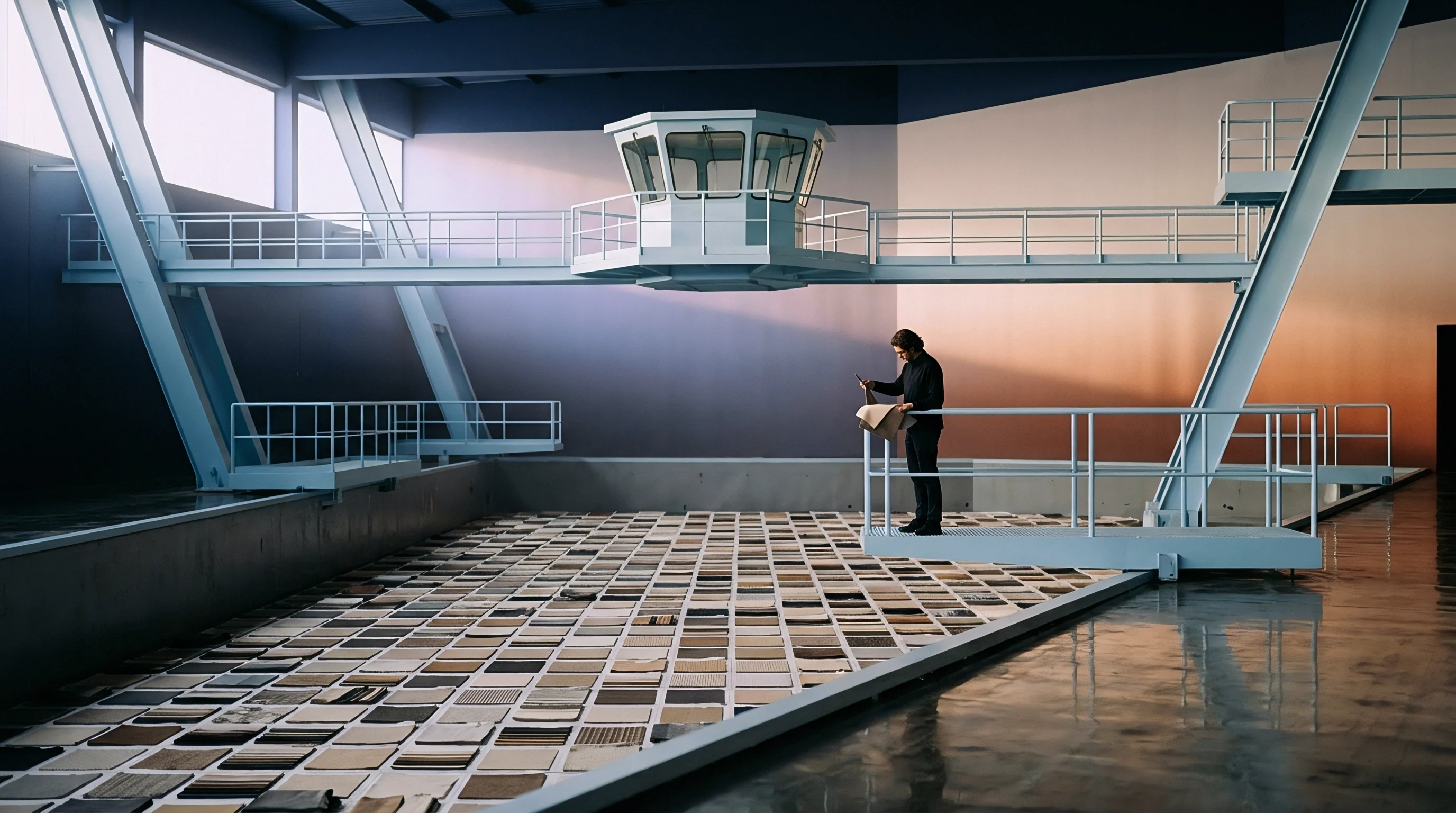
A fractured composite material sample rests inside a dark industrial display grid surrounded by various architectural surface finishes.

Verdict

Prepare for immediate ten to fifteen percent increases on all water-based resin and coating purchases as suppliers pass through feedstock monomer costs.

Signal Acquired from: SunSirs

Nomenclature

Feedstock Inflation

Input Cost ~ Raw material price variance describes the upward shift in expenses for base components required for industrial manufacturing and processing.

Architectural Paint

Coating Composition ~ Liquid formulations deposited onto stationary residential or commercial interior and exterior surfaces cure into protective decorative barrier films.

Cost Transmission

Economic Mechanism ~ Supply chain pricing pathways describe how changes in upstream production expenses are passed down to final consumers.

Chemical Intermediates

Reaction Kinetics ~ Materials transformed in secondary synthesis depend heavily upon chemical intermediates generated during fractional distillation or catalytic cracking.

Acrylic Emulsions

Polymer Binder ~ Liquid polymer dispersions form the base of acrylic emulsions by suspending microscopic resin particles in an aqueous continuous phase.

Methyl Methacrylate

Polymer Precursor ~ Organic synthesis relies on this clear liquid monomer to facilitate the production of acrylic resins and high-clarity plastics.

Ethylhexyl Acrylate

Monomer Specification ~ Clear, colorless liquid acrylic esters provide plasticization and tackifying characteristics in specialty copolymer systems.

Raw Material Procurement

Upstream Sourcing ~ Strategic sourcing operations identify, contract, and secure the primary commodities and unprocessed inputs necessary for industrial manufacturing operations.

Industrial Coatings

Corrosion Barrier ~ Protective surface formulations applied to metal substrates form industrial coatings, shielding heavy infrastructure against environmental degradation.

Supply Chain Volatility

Frequency Variance ~ Unexpected shifts in the flow of goods, raw components or finished products within a production network define supply chain volatility.

Chemical Industry Benchmarks

Performance Indicator ~ Standardized performance metrics quantify operational efficiency, energy consumption, process safety, and capital productivity across intermediate and specialty synthesis assets.

Price Adjustment Clauses

Contractual Provision ~ Formal contractual stipulations define the mathematical formulas and operational triggers required to revise transaction prices in response to external cost shifts over long delivery terms.

What the firm knows, published

Expertise is a utility, not a secret. sentiention™ publishes its working knowledge as open reference: intelligence layer covering the materials it sources, the markets it enters, and the reference that serves both.