Polymer Precursor
Organic synthesis relies on this clear liquid monomer to facilitate the production of acrylic resins and high-clarity plastics. Methyl methacrylate undergoes rapid polymerization when exposed to free radical initiators. Manufacturers stabilize the substance with hydroquinone to prevent premature gelation during storage and transport.
Chain length control during this process determines the mechanical stiffness of the resulting acrylic sheets or molding powders.
Market Dynamics
Global demand for methyl methacrylate tracks the automotive, construction, and electronics sectors. Supply chains remain sensitive to the price of acetone and hydrogen cyanide, which form the foundational feedstocks for most production routes. Plants often integrate downstream to produce polymethyl methacrylate directly from the intermediate stream to capture efficiencies in energy and inventory management.
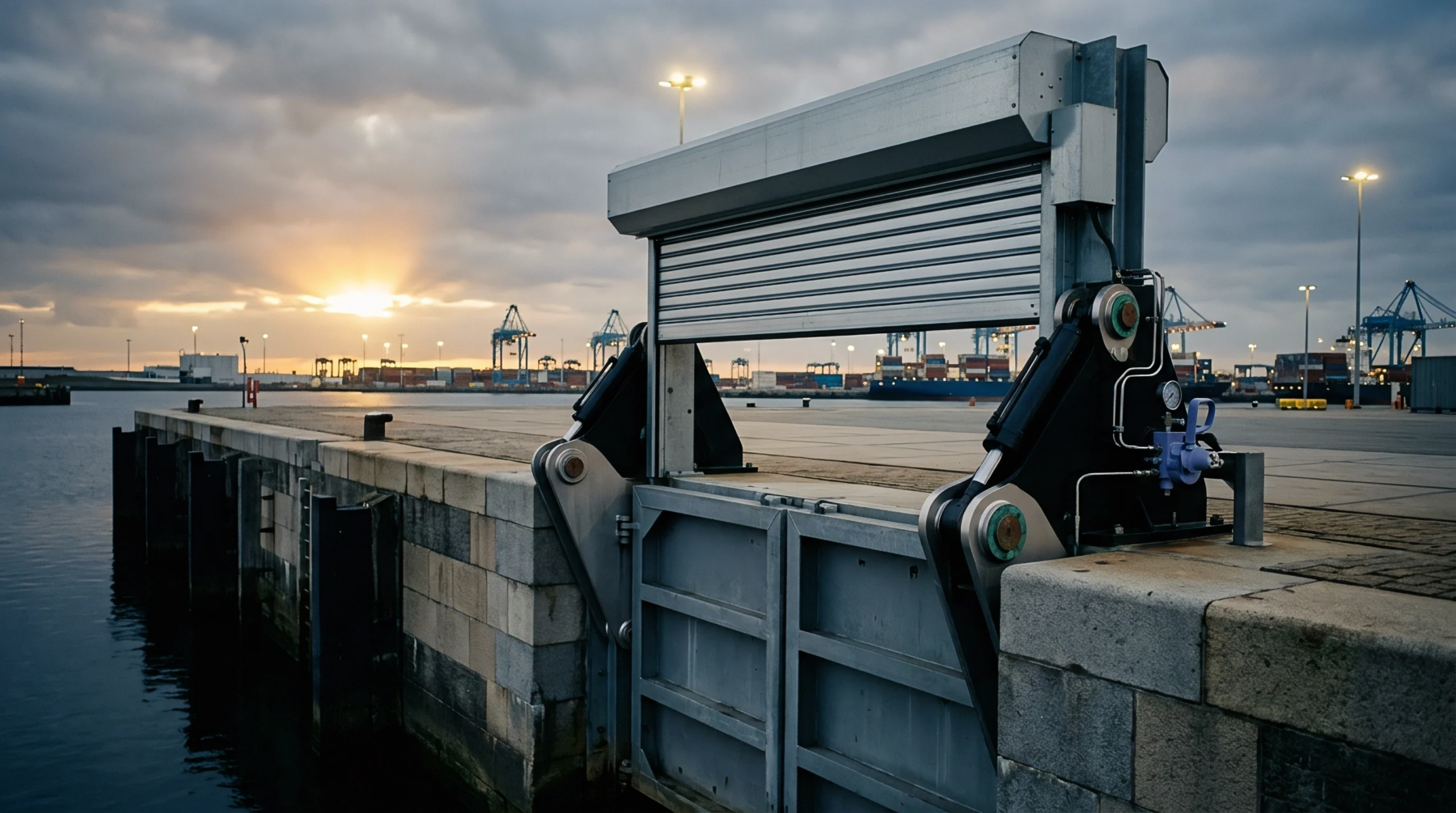
Port handling requires strict temperature monitoring because the material possesses a flash point near eleven degrees Celsius. Sudden shifts in output from major petrochemical hubs create localized scarcity that ripples through the value chain for glazing materials and high-performance adhesives. Large buyers mitigate these shocks by maintaining buffer stocks of refined monomer.
Environmental Constraints
Regulatory frameworks classify the volatile organic compound as a flammable liquid that requires closed-loop systems to prevent atmospheric release. Leak detection sensors in processing facilities monitor concentration levels to ensure compliance with occupational safety standards. Aquatic toxicity profiles prevent the discharge of wash water into open drainage systems without prior neutralization.
Disposal of polymer waste requires incineration in facilities equipped with scrubbers to address the combustion byproducts. The chemical structure of methyl methacrylate favors recycling through thermal depolymerization back into the original monomer.