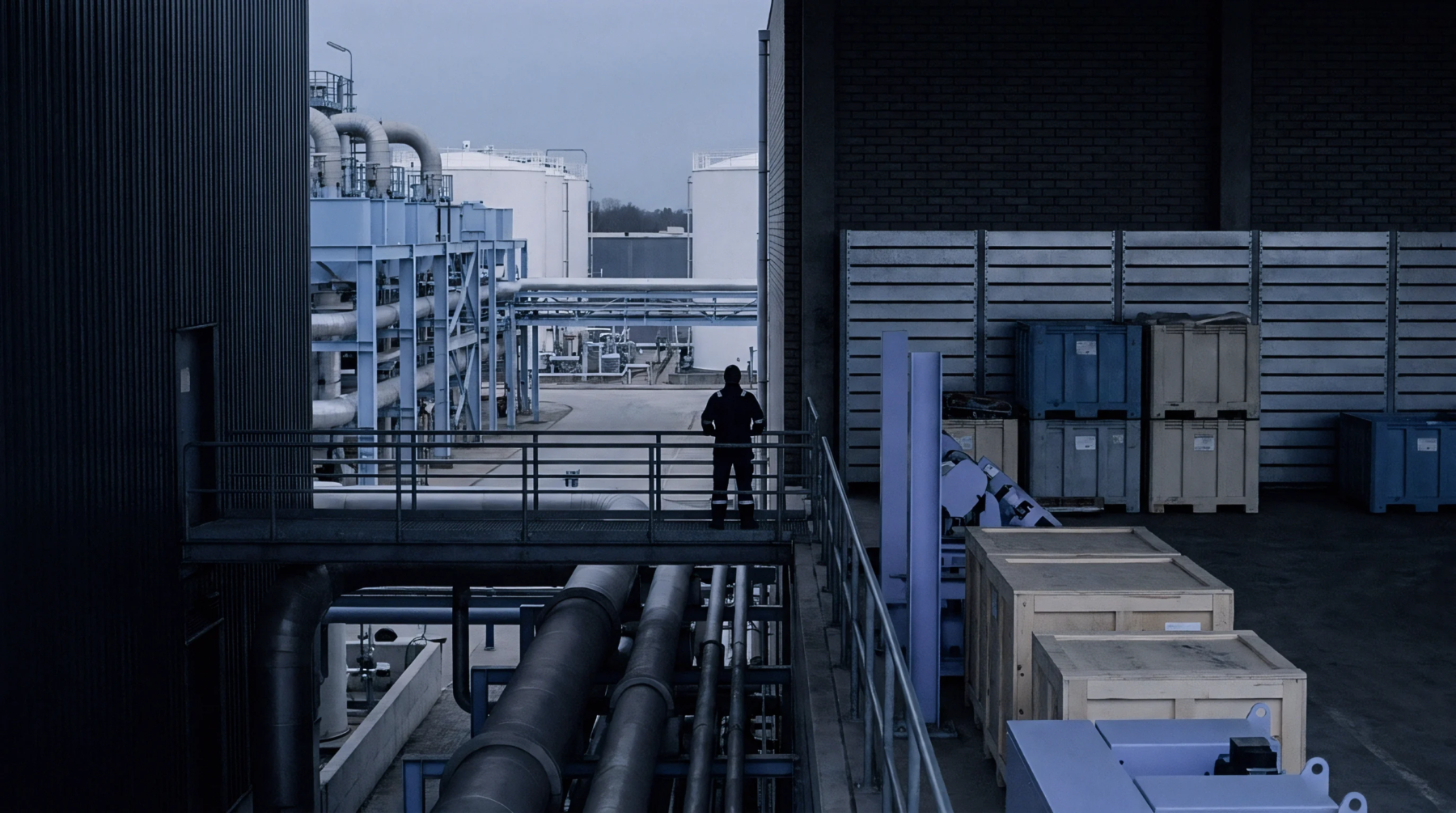
Industrial Classification
Industrial compounds produced on a massive scale represent the primary chemical feedstock for global manufacturing and agricultural sectors. Operating with thin margins, the trade of bulk chemicals relies on dedicated maritime tankers and high-capacity storage facilities. The category includes basic petrochemicals and industrial gases that require minimal processing before transport.
Their pricing is closely tied to energy benchmarks, making them highly sensitive to upstream oil and gas disruptions.
Distribution Infrastructure
Logistical arrangements for raw liquid commodities depend on specialised tankers and pipelines. Moving bulk chemicals requires rigorous cleaning protocols to avoid contamination between cargo runs. These requirements limit vessel availability, creating a tight link between freight rates and plant efficiency.
Storage Vulnerability
Stockpile management for large volumes of volatile compounds involves significant financial risk and specialized safety equipment. Keeping bulk chemicals in terminal storage requires continuous temperature monitoring and pressure management to prevent degradation or hazardous reactions. When market demand fluctuates, holding these products beyond scheduled dates increases maintenance costs and reduces terminal capacity for incoming shipments.
If a regional supply disruption occurs, manufacturers face immediate shortages due to the limited local storage capacity of most consuming plants, which rarely carry more than a few days of feedstock.