AGC Chemicals UK Plant Closure Ends Local PTFE Sourcing Option

AGC Chemicals proposes shutting its UK factory, forcing buyers of PTFE and fluoropolymers to find alternative suppliers.
29.08.26 2 min

Briefing

AGC Chemicals Europe plans to close its Hillhouse manufacturing site in Lancashire, UK, by the end of 2026. The move shuts down domestic production of polytetrafluoroethylene, commonly known as Teflon, pushing industrial buyers toward fluoropolymer imports from the United States or Asia. The plant has supplied specialized fluoropolymers to European industry for decades, and its loss leaves chemical distributors facing longer transit times and higher freight rates.

The site currently employs 190 staff alongside 18 agency contractors.

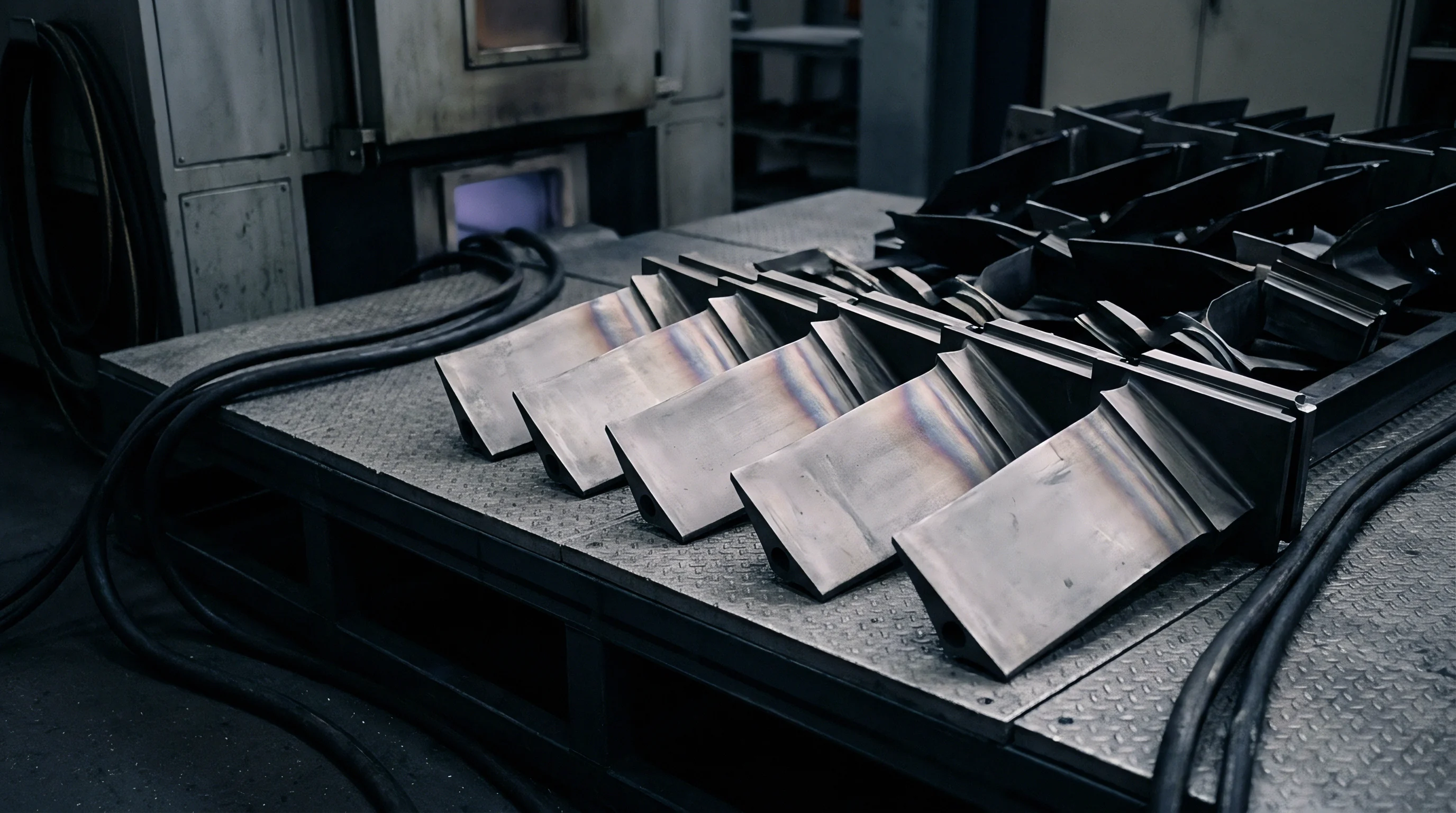
A burette fixed to a metal laboratory stand hovers over a rod atop a balanced plate beside irregular mineral samples.

Context

Procurement teams were already bracing for tighter restrictions on perfluoroalkyl and polyfluoroalkyl substances, the persistent compounds known as forever chemicals. Approaching revisions to the European Union REACH registry had raised questions over whether fluoropolymer production could remain viable in the UK and Europe, though most buyers expected established plants to absorb the compliance costs and stay running through the transition.

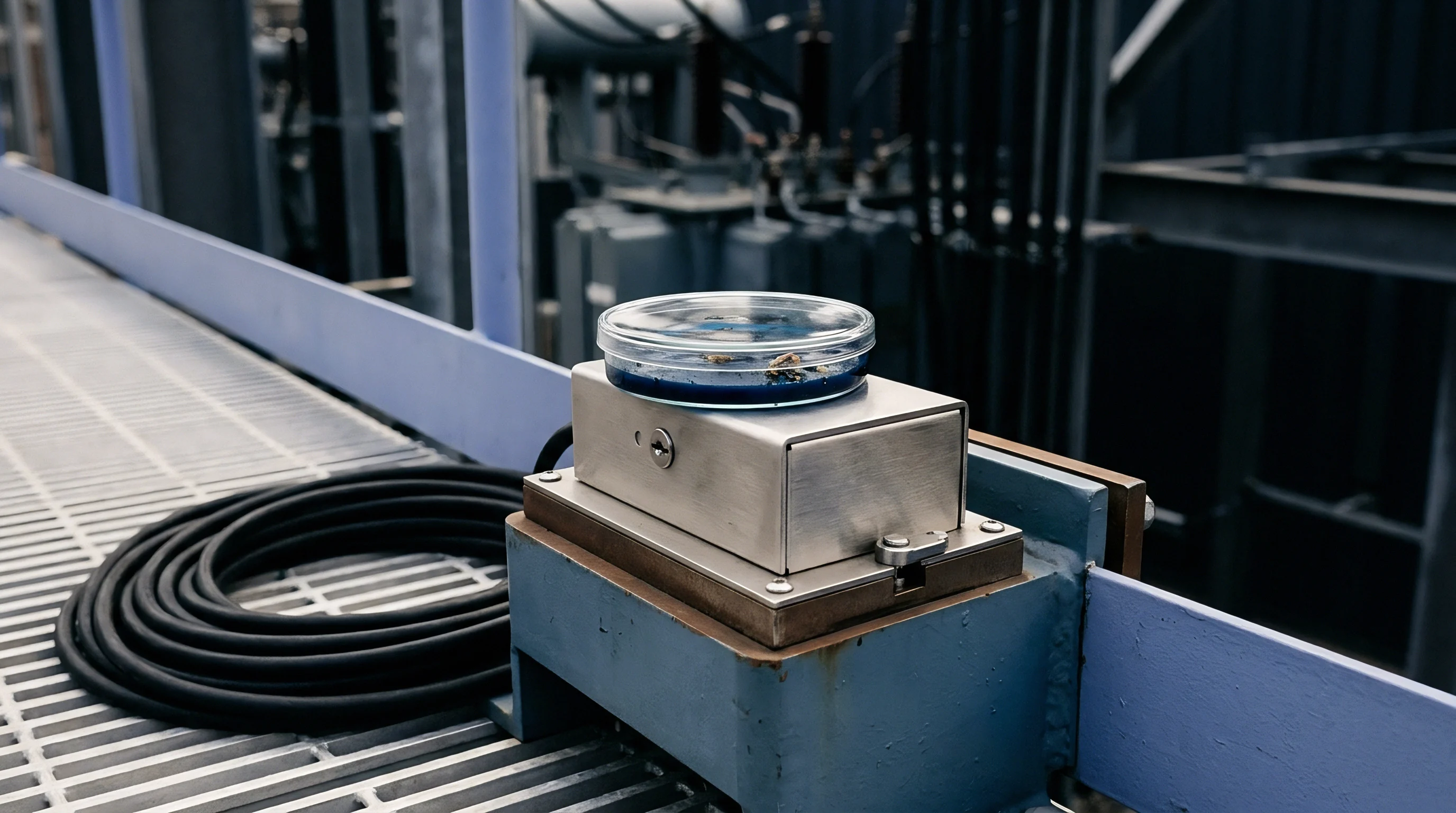
Heavy industrial electrical connector rests enclosed within durable fabric sheath positioned atop steel rail infrastructure inside manufacturing plant.

Analysis

Four consecutive years of losses, compounded by environmental liabilities, drove the decision. Regulatory findings revealed the Thornton-Cleveleys facility discharged 49 tonnes of perfluorooctanoic acid between the 1950s and 2012, triggering potential class-action litigation from area residents over contaminated soil and drinking water. With remediation costs mounting and a proposed global ban covering more than 10,000 forever chemicals slated for 2029, upgrading the aging site was no longer commercially defensible.

The closure leaves European buyers dependent on long-haul supply chains, adding weeks to lead times for custom PTFE grades alongside higher shipping tariffs.
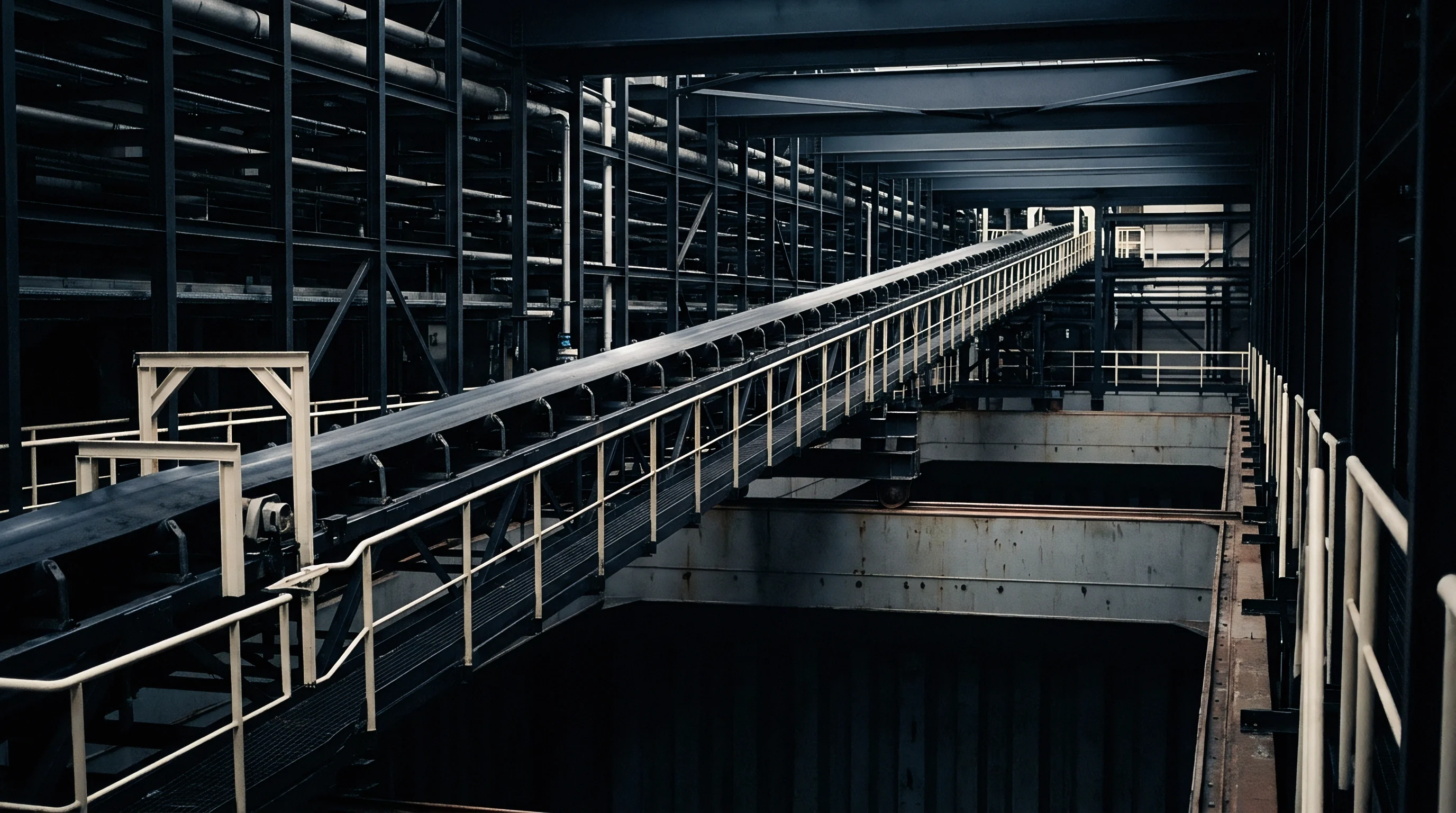
An inclined conveyor belt mechanism rises through a cavernous metallic structure surrounded by steel girders and industrial piping networks.

Parameters

  • Affected Workforce ~ 190 direct employees and 18 agency staff facing layoffs under the proposed shutdown.
  • Historical PFOA Emissions ~ 49 tonnes of perfluorooctanoic acid released into the local environment between the 1950s and 2012.
  • Financial Losses ~ Four consecutive years of unprofitable operations at the Thornton-Cleveleys facility.
  • EU Regulatory Deadline ~ The year 2029, when proposed rules plan to ban the production of more than 10,000 forever chemicals.
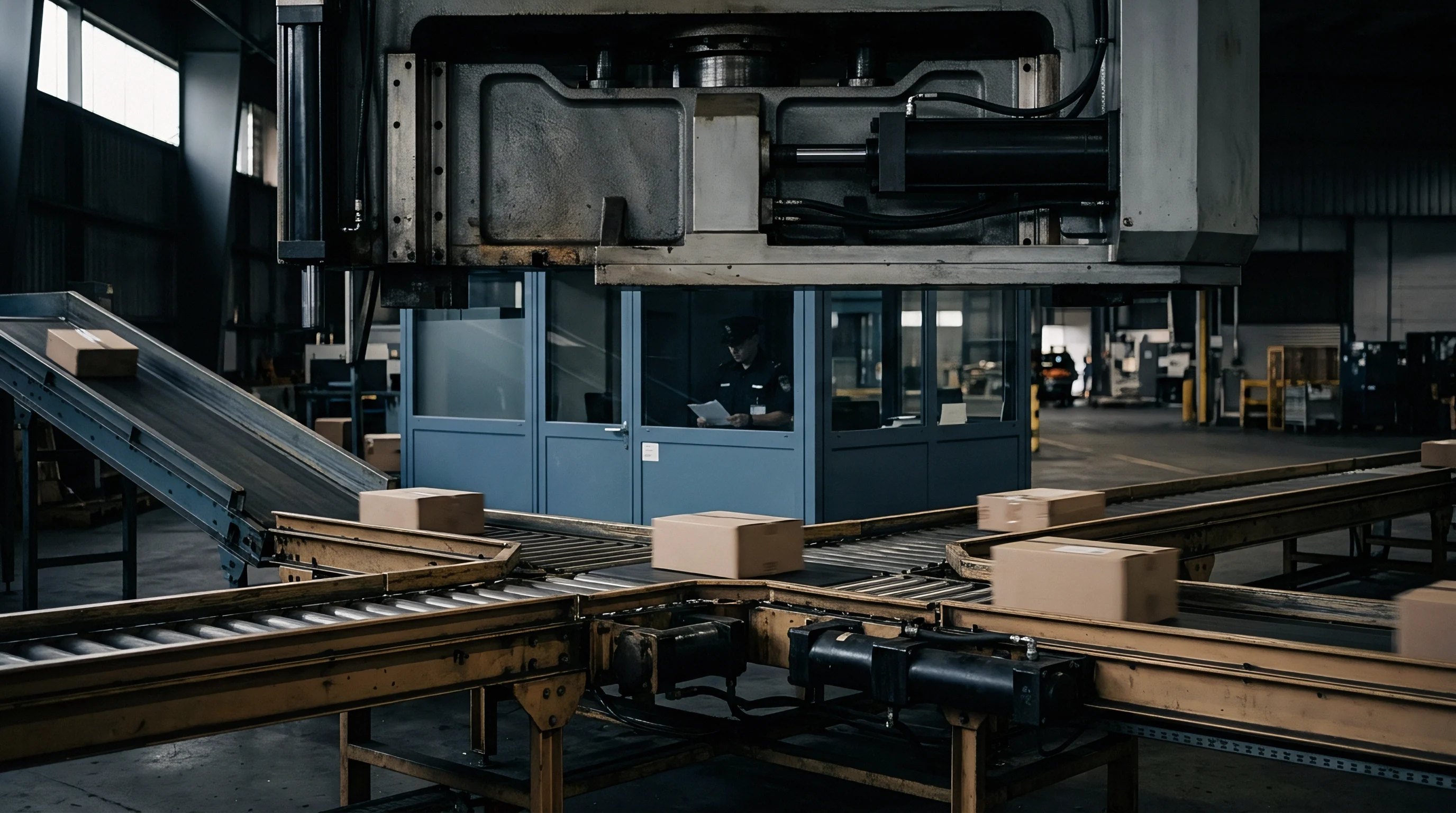
Cardboard packages move along intersecting industrial conveyor belts inside a heavy manufacturing plant with overhead machinery.

Outlook

Supply chain reorganisation will gather pace through the autumn of 2026 as AGC works through a 45-day consultation with staff. That process concludes in late August 2026, settling whether operations wind down immediately or run through December 2026. Buyers will need to secure allocation with US and Asian producers before export capacity tightens.

A dark open industrial container with blue lining is recessed into a black metal frame set on a grey concrete floor.

Verdict

Buyers must immediately qualify alternative non-European suppliers for PTFE and fluoropolymer compounds to prevent supply interruptions when the UK plant stops production.

Signal Acquired from: The Chemical Engineer

Nomenclature

Teflon Procurement

Quality Specification ~ The strategic sourcing of polytetrafluoroethylene for industrial manufacturing represents a specialized activity within chemical and materials procurement.

Industrial Chemicals

Chemical Classification ~ Synthetic substances derived from petroleum, natural gas, or mineral deposits form the primary inventory for global manufacturing, energy generation, and agricultural production.

Fluoropolymer Sourcing

Supply Procurement ~ Industrial resin acquisition involves the identification of verified manufacturers capable of producing high-performance synthetic polymers with specific molecular weight distributions.

UK Manufacturing

Industrial Output ~ Factory floors across the island convert imported raw material into finished goods for export and domestic consumption, forming a distinct sector known within trade reporting as UK manufacturing.

Environmental Compliance

Regulatory Conformity ~ Formal operational adherence to statutory ecological laws, emission ceilings, effluent standards, and hazardous material management protocols defines corporate legal standing.

Material Substitution

Resource Reallocation ~ Engineering specifications shift procurement patterns when a project requires an alternative raw input that maintains structural integrity while altering the unit cost or environmental profile of the finished good.

PFAS Regulation

Regulatory Standard ~ Environmental rules governing the manufacture, use, and disposal of per- and polyfluoroalkyl substances establish strict limits on highly persistent chemical compounds.

PTFE Supply Chain

Polymer Logistics ~ Industrial sourcing involving fluoropolymer precursors requires coordinated movement from chemical synthesis facilities to resin compounding plants.

Chemical Plant Closure

Asset Retirement ~ Industrial decommissioning marks the permanent cessation of manufacturing activities at a facility producing intermediate or finished reagents.

Chemical Distribution

Logistical Framework ~ Specialized supply chain infrastructure facilitates the storage and movement of hazardous or high-purity substances between manufacturing sites and end users.

Contract Risk

Legal Exposure ~ Contract risk arises when the binding terms of a commercial agreement create potential for financial loss or operational breakdown.

What the firm knows, published

Expertise is a utility, not a secret. sentiention™ publishes its working knowledge as open reference: intelligence layer covering the materials it sources, the markets it enters, and the reference that serves both.