NHTSA Seat Belt Reminder Delay Gives Automakers Sourcing Relief

NHTSA postpones mandatory front and rear seat belt reminder requirements to 2028, giving automotive buyers more time to align.


07.09.26 2 min

Briefing

On April 6, 2026, the National Highway Traffic Safety Administration published an interim final rule amending Federal Motor Vehicle Safety Standard No. 208, pushing back compliance dates for new front and rear seat belt reminder systems. The delay eases immediate pressure on procurement teams sourcing pressure sensors, cockpit displays, and wiring assemblies. OEM sourcing desks can now fold component purchasing into standard vehicle design cycles, bypassing rush premiums for electronics integration ahead of the unified September 1, 2028 compliance deadline.

Industrial conveyor belts and heavy metal tooling operate inside a vast manufacturing facility alongside wooden storage pallets ready for dispatch.

Context

Before this rule was issued, suppliers faced tight schedules to meet the original front-row reminder mandate. Sourcing teams were contending with thin supplies of seat-cushion sensor mats and warning-light bezels targeted for late 2026. Automakers had largely expected to absorb higher engineering rates and rush tooling costs to keep vehicle production schedules from slipping.

A heavy steel roller shutter door remains jammed above an excavated trench at a twilight construction site containing stacked industrial piping.

Analysis

Automakers had asked NHTSA for additional lead time, pointing out the cost and disruption of modifying seat frames and instrument-cluster electronics mid-cycle. In response, the agency harmonized the front and rear compliance schedules. The combined timeline relieves strain across the supply chain, letting procurement teams rely on standard long-term contracts for specialized sensors and harnesses rather than expedited freight and spot-market sourcing. That leeway stabilizes tier-one component orders, limits factory disruption risk, and should return sensor lead times to a typical twelve to sixteen weeks.

Automated sorting mechanisms operate over a conveyor belt carrying small white and blue polymer pellets through a controlled industrial factory environment.

Parameters

  • Regulatory Standard ~ Federal Motor Vehicle Safety Standard No. 208 governs occupant crash protection and reminder systems.
  • Sourcing Extension ~ Two years of additional lead time granted for front-row seat belt warnings.
  • Mandatory Compliance Date ~ September 1, 2028 is the rescheduled deadline for all seat belt reminder integrations.
  • Enforcement Authority ~ The National Highway Traffic Safety Administration issued the delay.
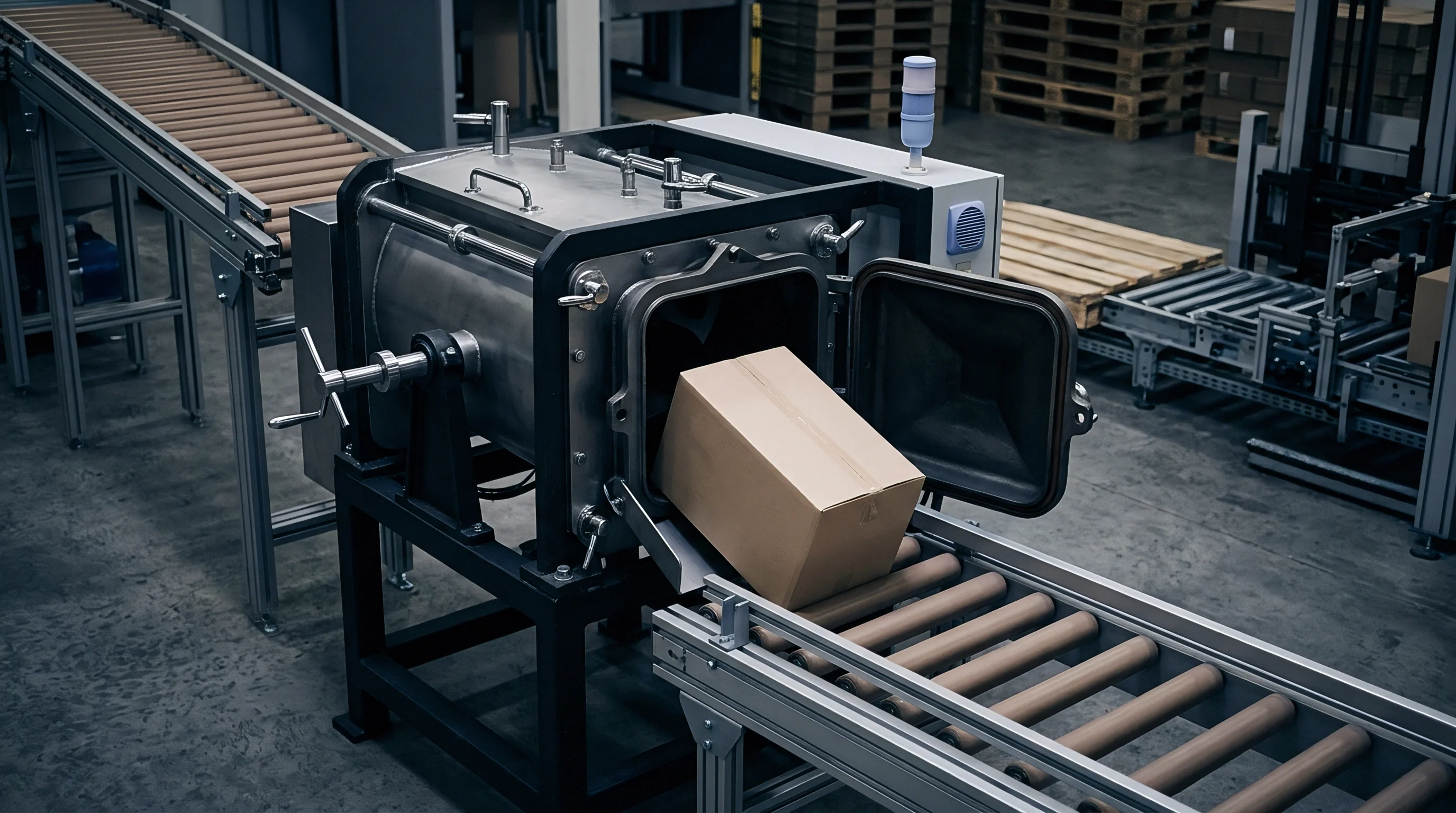
A large industrial processing machine with an open door ejects a brown cardboard package onto a roller conveyor belt within a manufacturing or logistics facility.

Outlook

Procurement teams should track NHTSA’s upcoming permanent final rule for any technical revisions to the 2028 framework. Upcoming autumn vehicle contracting cycles offer an opening to restructure multi-year sensor and semiconductor allocations, smoothing volume commitments across the next two years to prevent last-minute supply crunches.

A rectangular metal ingot sits on a dark moving conveyor belt within a heavy manufacturing facility.

Verdict

Automakers should re-baseline sensor and wire harness contracts around the September 1, 2028 deadline to capture standard-cycle pricing and avoid compressed development premiums.

Signal Acquired from: Federal Register

Nomenclature

Automotive Wiring Assemblies

Electrical Conductor Network ~ Interconnected bundles of insulated copper conductors and protective sheathing route power and data signals throughout a vehicle architecture.

Cockpit Electronic Displays

Interface Architecture ~ Visual interface hardware calibrated against human ergonomics standards provides vehicle speed, engine status, diagnostic warnings and operational feedback directly to vehicle operators.

Automotive Safety Standards

Mandated Compliance Framework ~ Regulatory criteria define the mandatory crashworthiness and structural integrity requirements that road vehicles must satisfy prior to commercial release.

Safety Reminder Systems

Alert Mechanism ~ Automotive safety technology assemblies integrating seat occupancy sensors and control modules trigger audible chimes and visual warnings to enforce seatbelt usage.

Vehicle Electronic Components

Hardware Integration ~ Semiconductor modules and printed circuit boards manage data flow, power conversion, and signal processing within modern transport architectures.

Import Safety Verification

Regulatory Mandate ~ Regulatory compliance protocols enforced at port entry facilities validate inbound manufactured goods against domestic consumer safety standards.

Vehicle Occupant Protection

Crash Safety Architecture ~ Integrated structural elements and active restraint systems absorb impact energy to minimize kinetic forces transferred to human passengers during motor vehicle collisions.

Visual Warning Icons

Symbol Standardization ~ Standardized graphical symbols displayed on vehicle instrument panels alert drivers to critical system faults, dynamic safety status, fluid status and operational vehicle conditions.

Regulatory Compliance Dates

Mandatory Schedule ~ Regulatory compliance dates operate as legal thresholds that govern when specific operational changes must occur across industrial supply chains.

Component Sourcing Timelines

Lead Time Dynamics ~ Calculated intervals between purchase order issuance and physical material receipt at an assembly facility establish the operational window for inventory planning.

Automotive Supply Chain

Operational Network ~ An automotive supply chain functions as the structural configuration of suppliers, manufacturers, and logistics providers tasked with transforming raw inputs into finished vehicles through multi-stage assembly processes.

Automotive Manufacturing Lead Times

Operational Window ~ Production planning metrics measuring the elapsed duration between initial material release and final vehicle rollout establish operational schedules across vehicle assembly plants.

What the firm knows, published

Expertise is a utility, not a secret. sentiention™ publishes its working knowledge as open reference: intelligence layer covering the materials it sources, the markets it enters, and the reference that serves both.