Regulatory Barrier
Operational limitations represent the specific legal or physical limits placed on the movement of goods across certain boundaries or through specific infrastructure. These cargo flow restrictions often emerge during periods of port congestion or when sovereign states impose sanctions on specific commodities. Trade continues only when the freight meets the strict criteria established by the local port authority or the receiving customs office.
Movement Inhibition
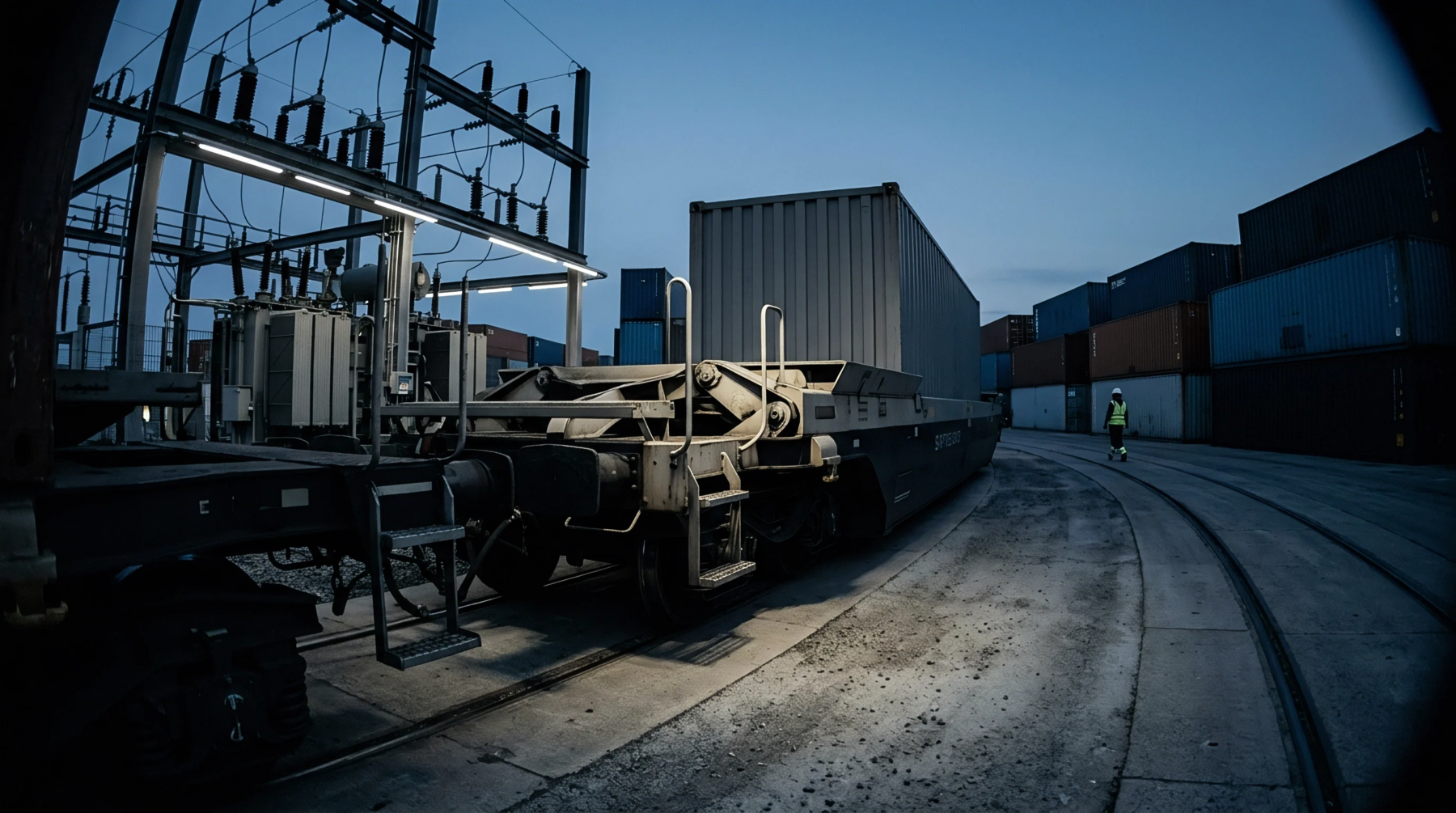
Physical bottlenecks occur when infrastructure reaches a hard saturation point. In these cases, cargo flow restrictions function as a throttle to prevent total system failure at a terminal or rail head. Operators might limit the number of gate entries or prioritize specific types of medical or perishable goods over general consumer merchandise.
The resulting queue creates a backlog that persists until the underlying bottleneck is cleared by increased labor or equipment availability. That mechanical slowing of the supply chain requires constant monitoring by logistics managers.
Contractual Implication
Legal consequences arise when the inability to move goods triggers force majeure clauses or liquidated damages. Parties to a shipping agreement use cargo flow restrictions to define the boundaries of their liability when external forces prevent the fulfillment of a delivery schedule. The framework determines which entity bears the cost of storage or the loss of value during the delay.