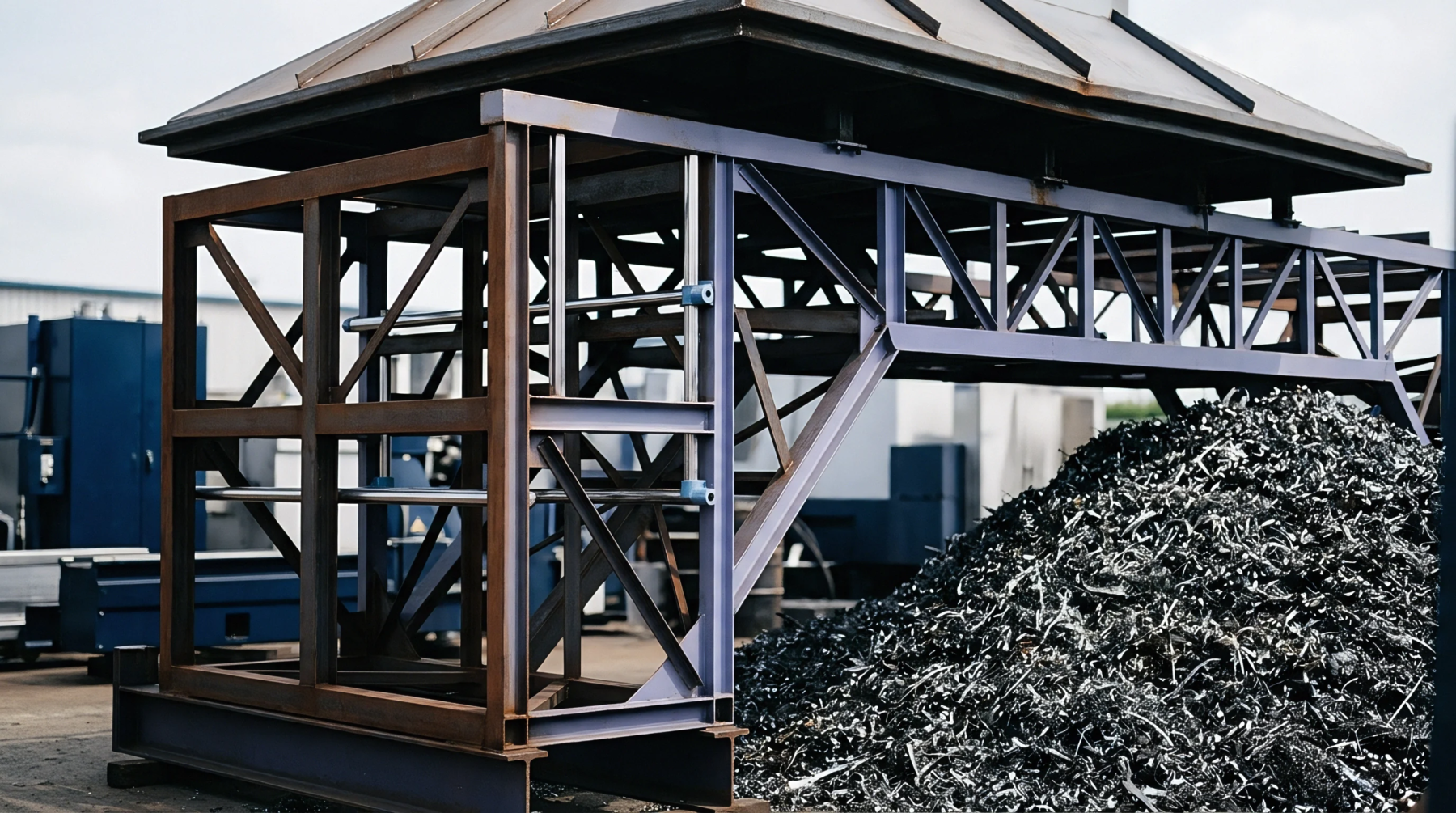
New Federal Export Bans on Battery Scrap Lock down Domestic Supplies
Importers and recyclers must route battery and tungsten scrap domestically as new export controls take effect.
Industrial domestic allocation constitutes the mandatory division of primary manufacturing output directed specifically toward internal national consumption prior to any export licensing. Authorities require this metric to prevent local shortages during periods of acute supply constraint, applying strictly to heavy commodity sectors like steel production and chemical refining. Domestic allocation overrides commercial export contracts whenever regional reserve inventories fall beneath statutory threshold levels.
Regional trade councils monitor this variable through monthly customs declarations, tracking discrepancies between declared factory gates and actual port loadings. Industrial buyers track domestic allocation carefully to anticipate regional price divergences caused by sudden export curbs. Production facilities calculate domestic allocation percentages weekly based on rolling consumption averages from regional distribution hubs.
Government ministries adjust domestic allocation quotas quarterly to balance national industrial security against foreign exchange earnings. When international spot prices exceed regulated local rates, industrial domestic allocation forces producers to supply domestic buyers at below market tariffs. National trade ministries audit these physical shipments constantly, penalizing manufacturers who divert regulated tonnage toward overseas buyers without prior ministerial clearance.
Factories maintain specific reserve buffers exclusively for domestic allocation obligations, separating these stocks physically from export bound inventory. Industry analysts watch domestic allocation reports closely because sudden quota increases signal impending government intervention in private manufacturing contracts. Trade lawyers scrutinize domestic allocation statutes whenever cross border supply chains face disruption from regional protectionist measures.
Strategic planners model domestic allocation scenarios continuously to protect long term manufacturing margins against unpredictable regulatory shifts.
Regulatory domestic allocation creates severe financial penalties for industrial producers who fail to meet statutory local delivery quotas during high demand cycles. Factory operators calculate domestic allocation deficits monthly, reconciling local sales against government mandated minimum volume figures. National customs agencies verify domestic allocation compliance by cross referencing factory shipping manifests with regional consumption receipts.
Industrial exporters absorb heavy opportunity costs whenever domestic allocation mandates divert profitable foreign orders toward low margin local markets. Regional supply chains adjust slowly to sudden domestic allocation changes because transport networks require weeks to redirect bulk commodities from export terminals toward inland manufacturing plants. Market participants treat domestic allocation announcements as primary indicators of government trade policy direction, adjusting forward purchasing strategies accordingly.
Commercial traders monitor domestic allocation compliance data weekly to anticipate sudden shifts in regional spot market liquidity. Regulatory authorities enforce domestic allocation targets through mandatory audits of corporate inventory records and shipping documentation. Industrial facilities maintain dedicated reserve stocks specifically to satisfy domestic allocation obligations without disrupting normal commercial operations.
Strategic buyers track domestic allocation thresholds continuously to secure adequate raw material supplies before government export restrictions take effect. National manufacturing associations lobby constantly against rigid domestic allocation quotas, arguing that mandatory local supply rules depress overall capital investment in heavy industry.
Economic domestic allocation reshapes regional pricing structures by creating artificial scarcities in unprotected overseas markets while depressing local prices through forced oversupply. Industrial consumers rely on domestic allocation stability to maintain predictable production costs throughout extended manufacturing cycles. Government regulators adjust domestic allocation formulas periodically to appease domestic lobbying groups without collapsing export revenues entirely.
Commercial insurers exclude domestic allocation risks from standard marine cargo policies, forcing traders to purchase specialized trade disruption coverages. Market analysts evaluate domestic allocation trends constantly to predict long term shifts in global trade flows and regional manufacturing competitiveness. Industrial producers absorb heavy administrative burdens while proving compliance with complex domestic allocation oversight procedures across multiple national jurisdictions.
Regional logistics providers restructure their transport schedules frequently to accommodate sudden surges in domestic allocation shipments mandated by emergency government decrees. Strategic investors avoid sectors heavily exposed to domestic allocation interference, favoring industries with greater pricing freedom and minimal state control over supply destination. Commodity traders factor domestic allocation risks directly into long term futures contracts, pricing potential export restrictions into every physical delivery agreement.
Industrial manufacturers internalize domestic allocation costs as permanent operating overhead, adjusting baseline pricing models to absorb regular volume diversions. Economic domestic allocation defines the ultimate boundary where national industrial policy supersedes private commercial contract law.
Importers and recyclers must route battery and tungsten scrap domestically as new export controls take effect.
Expertise is a utility, not a secret. sentiention™ publishes its working knowledge as open reference: intelligence layer covering the materials it sources, the markets it enters, and the reference that serves both.