Physical Matrix
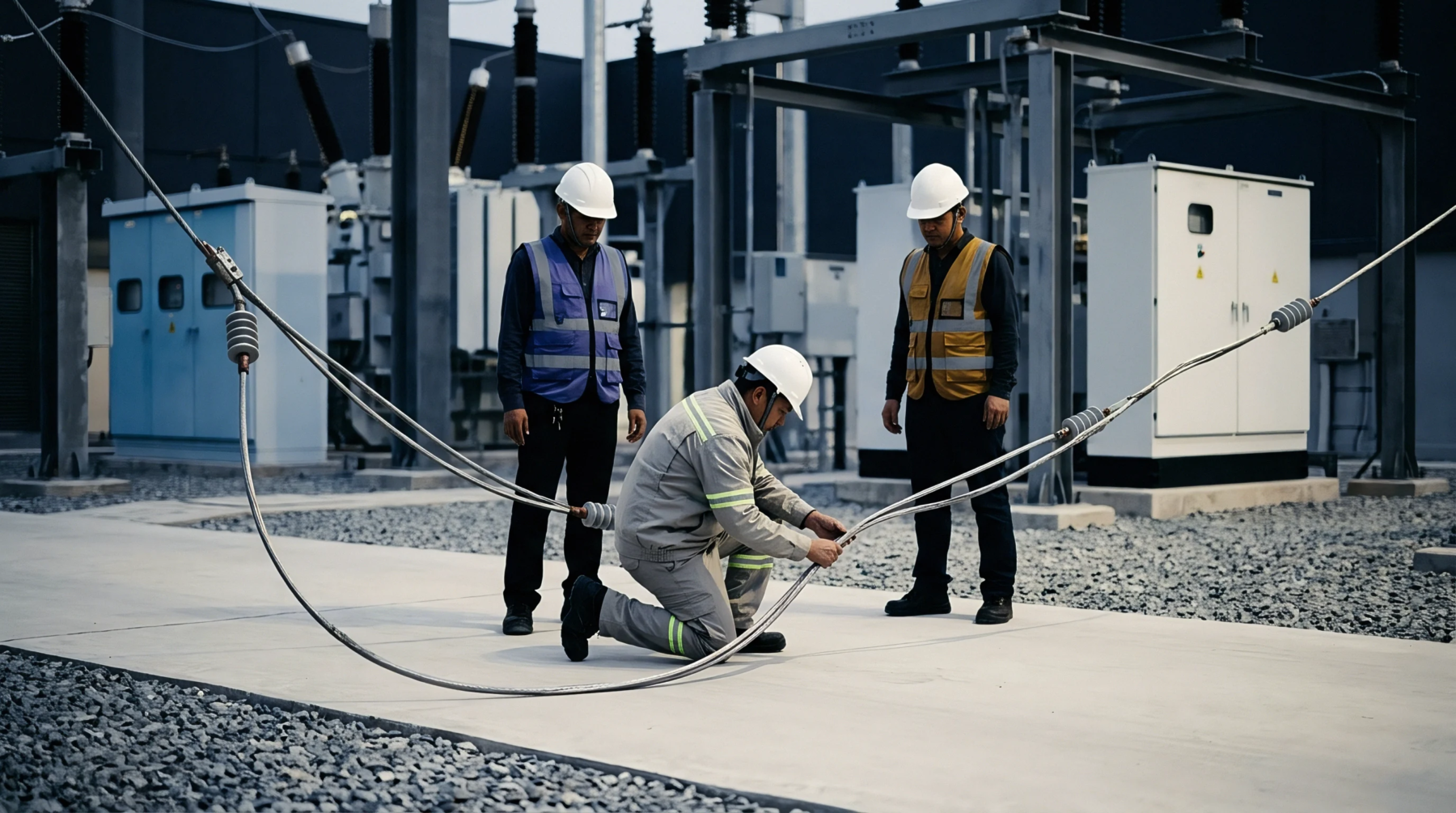
Electrical grid components operate as the tangible hardware infrastructure that channels high voltage alternating current from generating stations to industrial substations. Steel towers hold aluminum conductor cables across vast geographic expanses while heavy porcelain insulators prevent electrical leakage toward supporting earth structures. Large power transformers alter voltage levels at specific transmission nodes to minimize resistive thermal losses during long distance transit.
Operators monitor phase angles and thermal limits continuously through supervisory control systems to prevent cascading equipment failures during peak demand periods. Each metal switch and circuit breaker opens automatically under fault currents to isolate damaged circuit branches from the wider interconnected network. Circuit breakers extinguish powerful electric arcs inside pressurized sulfur hexafluoride gas chambers immediately after mechanical contacts separate.
Protective relays analyze digital waveform samples from current transformers every millisecond to detect abnormal impedance drops across transmission lines.
Market Valuation
Industrial buyers assess procurement costs for these heavy assets through quarterly pricing indexes published by regional transmission organizations. Raw material inputs such as copper wire and electrical steel laminations dictate manufacturing expenses for original equipment manufacturers bidding on municipal utility contracts. Supply chains extend across international borders to source specialized porcelain bushings and composite insulators required for extreme weather resilience.
Procurement officers negotiate long term delivery agreements to hedge against sudden commodity price volatility driven by global infrastructure spending. Factory throughput schedules adjust monthly according to backlog orders submitted by investor owned utilities upgrading aging transmission corridors.
Operational Downtime
Unplanned outages of primary substation hardware trigger financial penalties regulated by national energy boards based on duration metrics. Maintenance crews deploy infrared thermography cameras monthly to identify resistive hot spots on bolted busbar connections before catastrophic thermal runaway occurs. Utility accountants record depreciation expenses over multi decade asset lifespans while factoring in unexpected replacement cycles caused by severe lightning strikes.
Grid reliability standards mandate rigorous dielectric testing of transformer oil insulation intervals to ensure compliance with statutory safety mandates. Asset management software tracks operating hours and fault interruption counts for every installed circuit breaker to schedule preventative overhauls efficiently. System operators balance maintenance windows against projected regional power consumption profiles to avoid reducing reserve margins below mandatory thresholds during extreme weather events.