Hardware Unit
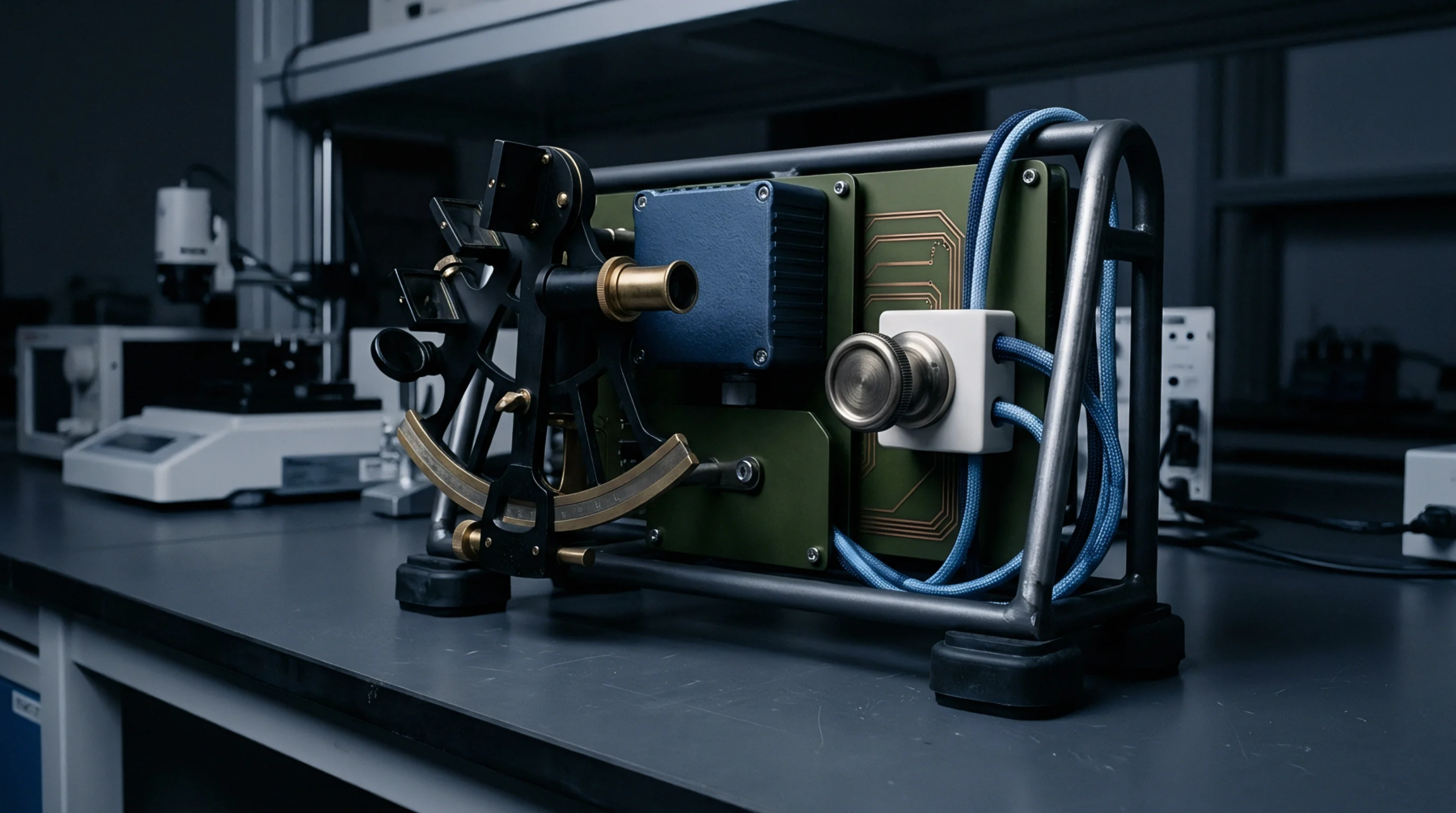
Discrete devices or physical entities within an electronic system affect or govern the flow of electrons to perform specific circuit tasks. Electronic components range from simple passive parts like resistors and capacitors to complex active devices like integrated circuits and microprocessors. These items are the fundamental building blocks of all modern industrial machinery and automotive systems.
Supply Dynamics
Global supply networks for these parts are highly integrated and rely on specialized manufacturing clusters in Asia and North America. Production involves raw materials such as high purity silicon and copper that must be processed under extremely clean conditions. Because of this complexity, lead times can extend from a few weeks to several months when demand spikes or logistics channels are disrupted.
Obsolescence Lifecycle
Rapid technological advances force manufacturers to update their product lines frequently, which creates obsolescence risks for industrial buyers. When a manufacturer decides to stop producing a specific part, they issue a last time buy notice to allow customers to purchase remaining stocks. This process requires industrial buyers to forecast their long term needs accurately to avoid costly redesigns of existing machinery.
Securing reliable secondary distributors and testing for counterfeit parts are standard practices used to maintain the continuity of older production lines. If a replacement cannot be found, the entire circuit board may need to be redesigned, which introduces unplanned engineering costs and potential certification delays.