Electrical Infrastructure
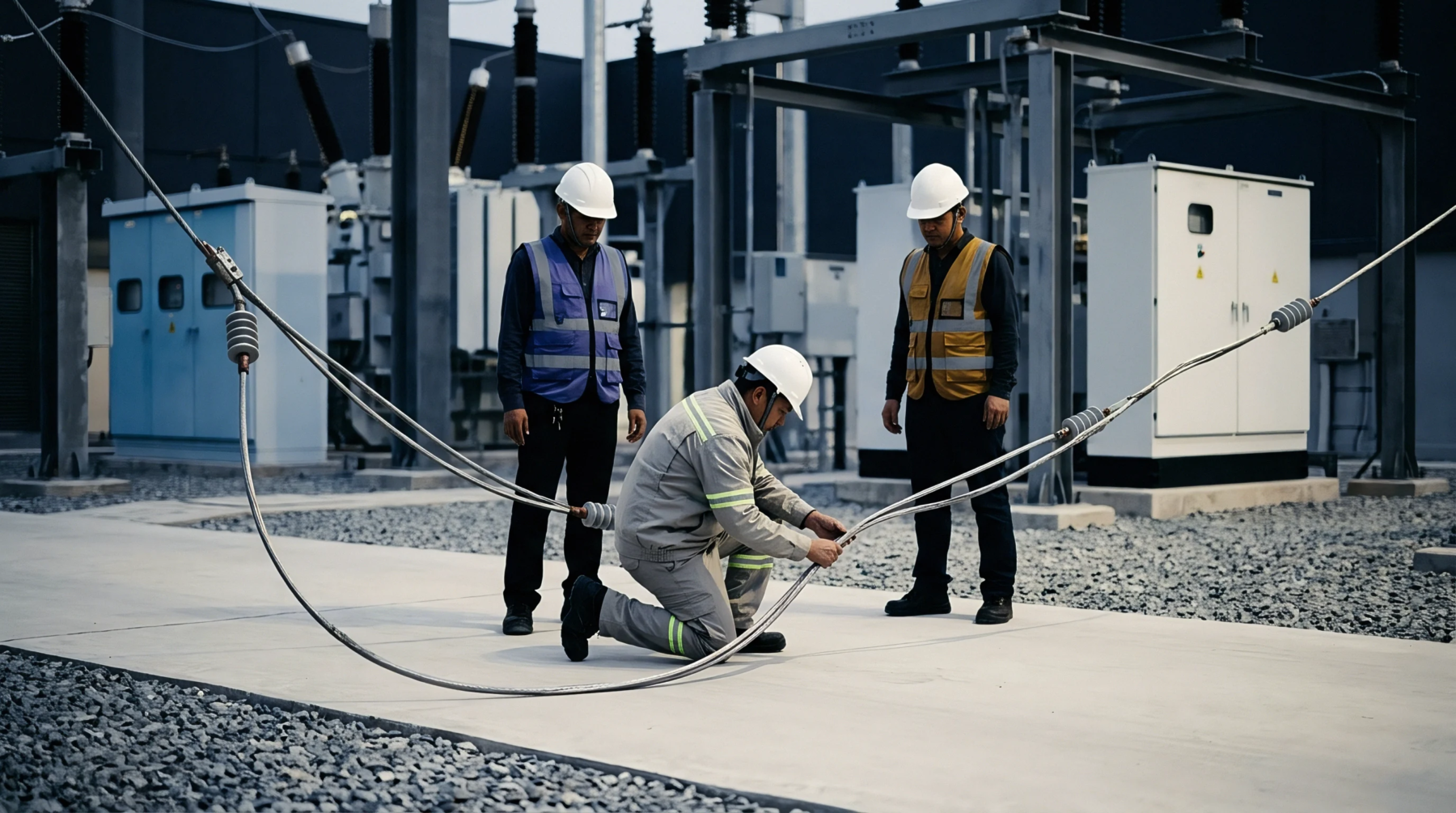
The specialized electrical networks designed to deliver high voltage electricity to manufacturing plants and heavy machinery support continuous industrial operations. These industrial power systems use custom engineered switchgear and transformers to manage the massive electrical loads required by heavy equipment. Without these dedicated setups, factories would risk damage to their machinery and frequent interruptions due to voltage fluctuations.
The design of these systems must comply with local safety and environmental regulations. These installations are planned years in advance of factory construction to ensure sufficient utility capacity is available.
Reliability Standard
Manufacturing facilities rely on uninterrupted power to avoid expensive downtime and product spoilage. To maintain this reliability, industrial power systems often integrate backup diesel generators or uninterruptible power supplies. These units activate automatically when the main grid fails, protecting delicate automated processes.
Energy Efficiency
Optimizing the power factor of a facility reduces the overall demand on the utility grid and lowers monthly energy bills. Within industrial power systems, capacitor banks and variable speed drives are installed to improve electrical efficiency and reduce waste. These components help balance the inductive loads generated by large electric motors.
Consequently, companies reduce their carbon footprint while simultaneously lowering their operating costs.