Terrestrial Movement
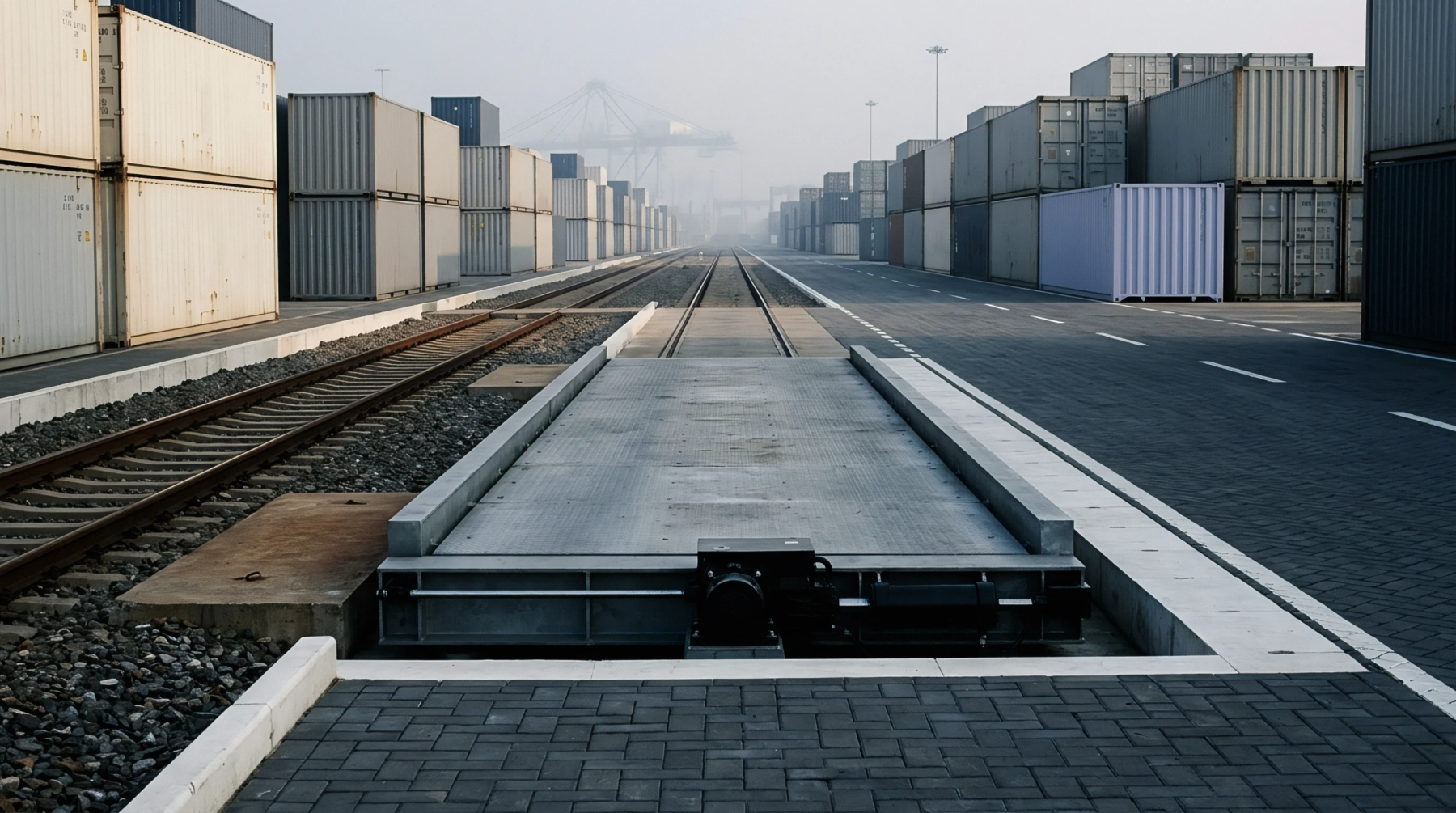
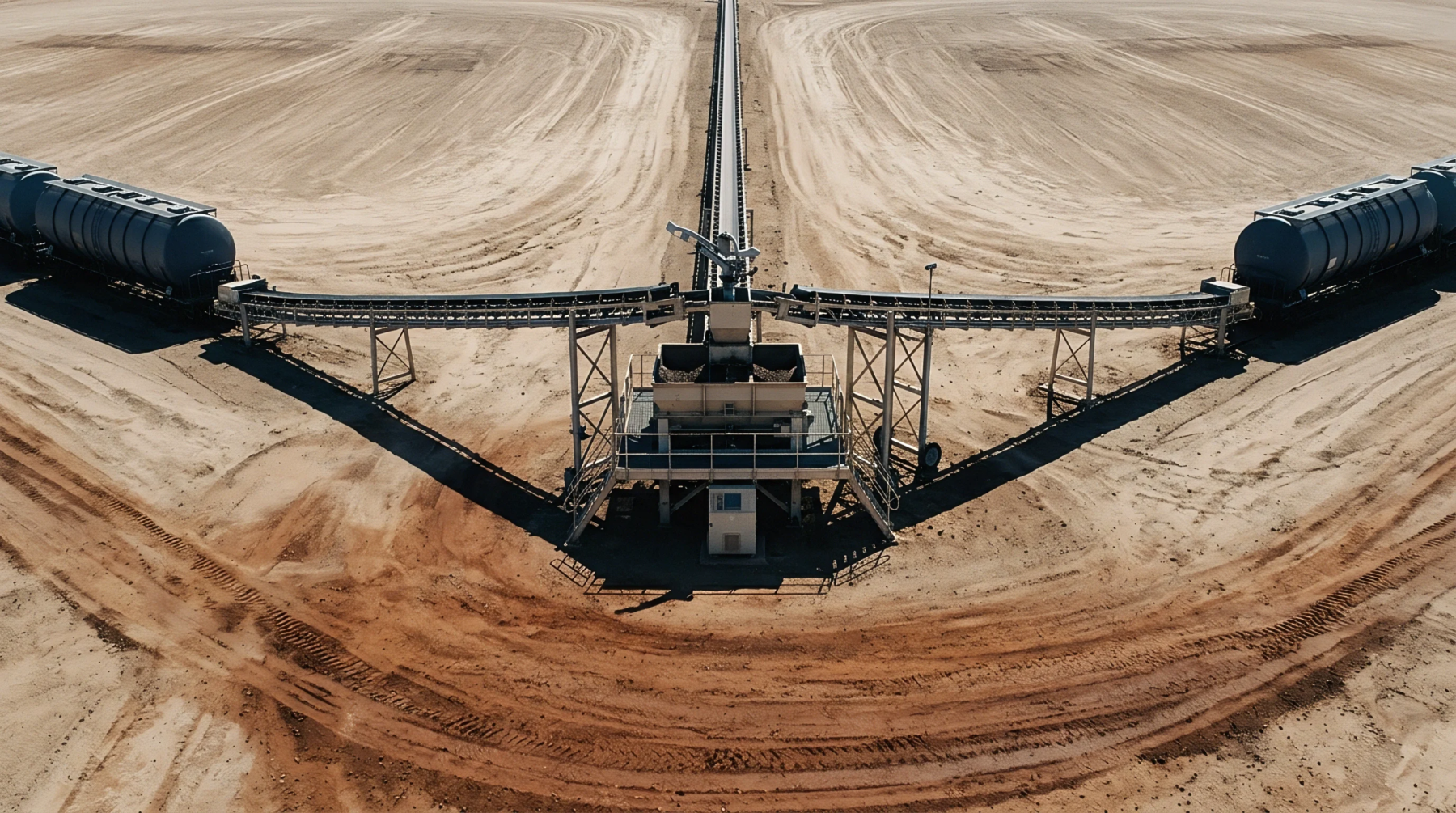
Inland logistics describes the movement of freight through non-maritime corridors including road networks, rail systems, and pipelines that bridge the distance between cargo origins and external border points. Such inland logistics infrastructure moves finished goods toward distribution centers or transfers raw materials into manufacturing sites after the primary transport leg terminates. The process necessitates coordination between transport modes to ensure that physical cargo avoids bottlenecks during transfers at regional hubs.
Capacity constraints across these networks dictate the speed at which goods reach final destinations. Performance hinges on the efficiency of transshipment facilities and the availability of haulage assets. Constraints imposed by infrastructure quality or maintenance schedules restrict throughput volumes.
Operational Variance
Cargo flow through hinterland corridors depends on the synchronization of schedules between intermodal carriers and warehouse reception protocols. Managers analyze dwell times at rail terminals or truck staging areas to identify inefficiencies that inflate total transport duration. A terminal operator tracks the duration from arrival until vehicle departure to calculate the velocity of regional freight circulation.
When heavy rain or labor strikes impede ground transit, the backlog ripples across supply chains. Reliable data transmission between vehicle fleets and dispatch centers helps to mitigate these disruptions. Decision makers evaluate historical throughput records against current equipment availability to adjust slot allocations for pick ups.
Constant monitoring of chassis availability at port gates minimizes the risk of container congestion within terminal boundaries. High utilization of assets optimizes the cost per unit moved but reduces the buffer for unexpected shifts in volume.
Regulatory Compliance
Government oversight of these transport networks enforces weight limits, driver hour mandates, and safety standards that constrain the movement of goods across states or regions. Compliance documentation verifies that equipment remains within operational tolerances during long hauls. Regional authorities mandate inspections to prevent excessive wear on public highways from overcapacity loads.
Failure to maintain these standards results in fines or operating suspensions. Economic policy regarding fuel taxes or road pricing alters the viability of specific ground transport routes over time. Stricter environmental rules force the transition toward cleaner propulsion systems for short haul distribution vehicles.
Inland logistics functions as the primary determinant of cost stability within the final mile of industrial delivery chains.