Operational Classification
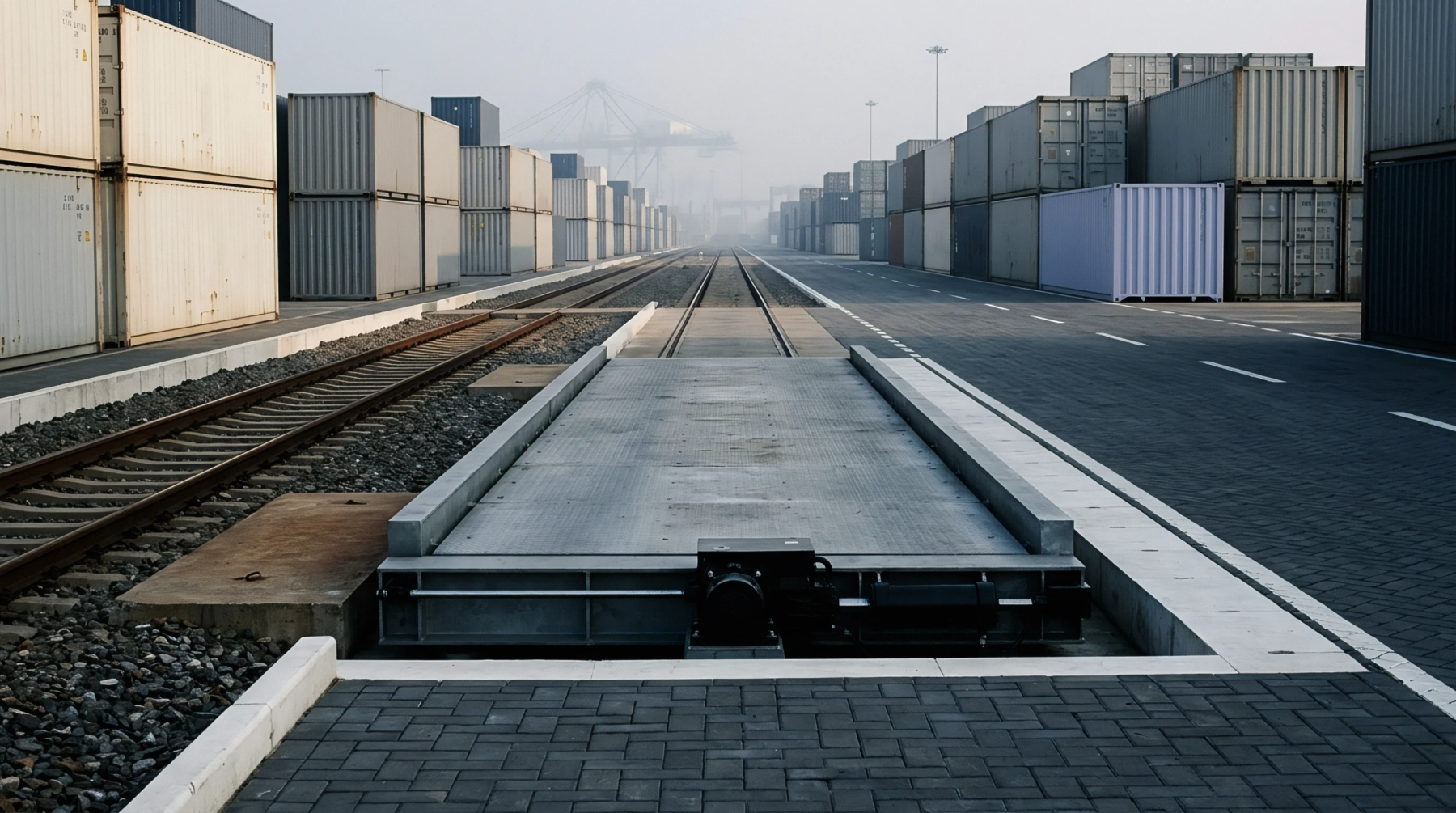
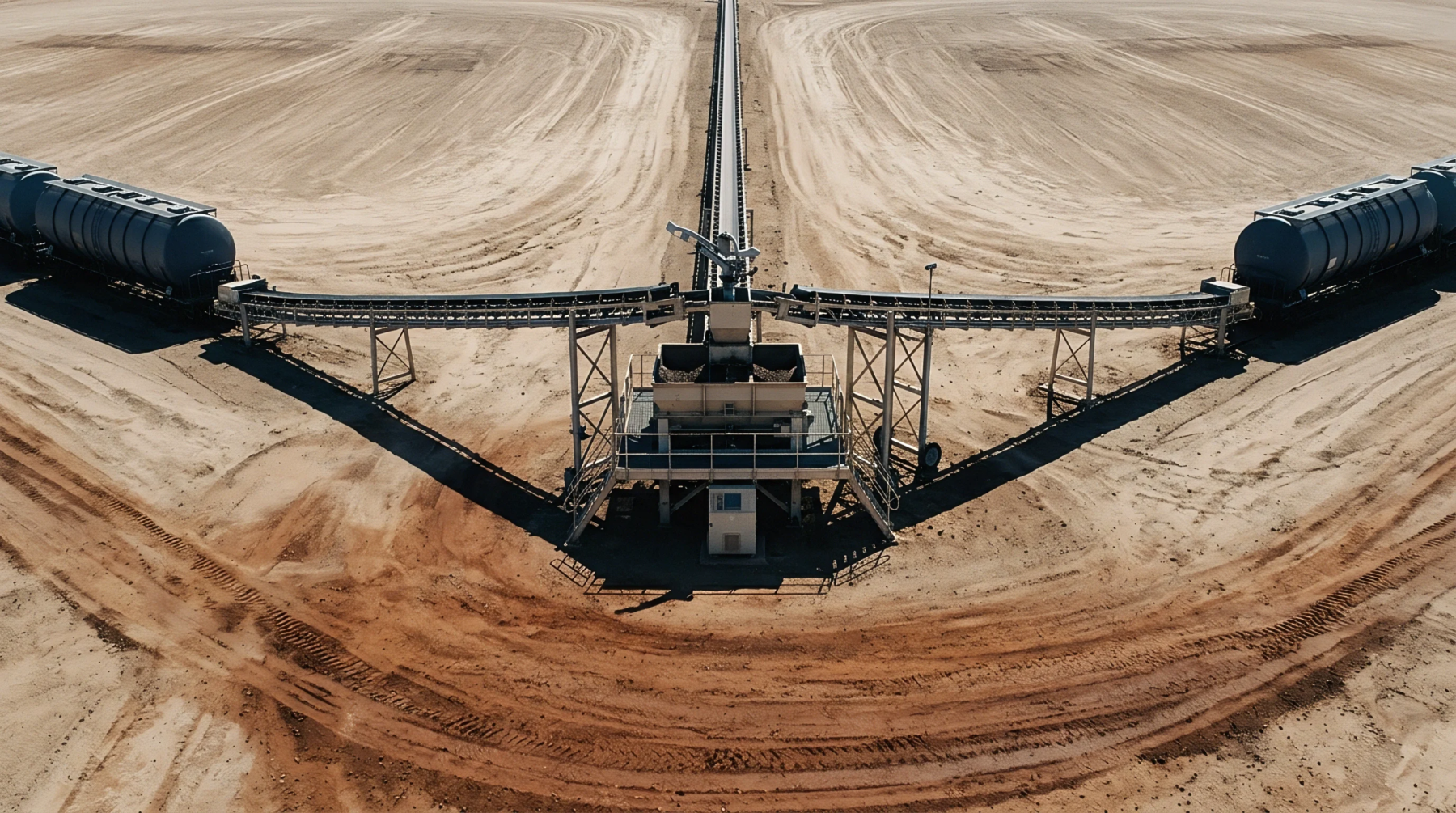
Bulk transit logistics defined by the scheduled movement of goods across fixed track infrastructure provides the primary mechanism for heavy industrial supply chains to overcome land distance constraints. Rail freight facilitates the long distance displacement of commodities by relying on specialized rolling stock designed for unit train configurations. Operators manage these movements through sophisticated network scheduling to balance velocity against line capacity.
High volume loads allow for unit cost reductions that exceed the efficiencies of standard over the road transport. Economic viability depends on track accessibility and the presence of direct spur connections at both origin and destination facilities. Infrastructure limitations dictate the maximum dimensions and weight per car, forcing planners to select specific equipment for every heavy haul task.
Market Interdependence
Industrial throughput cycles rely on the consistent performance of train sets to avoid inventory accumulation at major hubs. Mining and chemical production sectors utilize these services because the volume capacity allows for the movement of raw material extraction at scale without frequent cycle stops. Fuel prices influence the competitiveness of track transport relative to barge or truck alternatives because rolling resistance remains lower than road friction or water drag across varied terrain.
Management teams track throughput figures to gauge current output levels of heavy manufacturing plants. Seasonal demands for agricultural grain cycles create predictable congestion on specific lines, necessitating prearranged allocation of power and available crew resources.
Infrastructure Boundary
Network constraints define the operational limit of track based movement regardless of the potential for throughput. Track geometry limits the speed of heavy containers through curves and elevation changes, forcing operators to maintain steady momentum rather than high peak velocity. Signalling systems govern the spacing between moving sets to prevent collision while allowing multiple operators to share the same transit corridor.
Bridge strength and tunnel height requirements impose physical caps on the size and shape of every cargo container allowed on the network. Regulatory authorities oversee safety standards for hazardous material movement, forcing carriers to follow specific protocols for inspection and routing. Strict adherence to these physical parameters keeps the entire transit ecosystem stable.