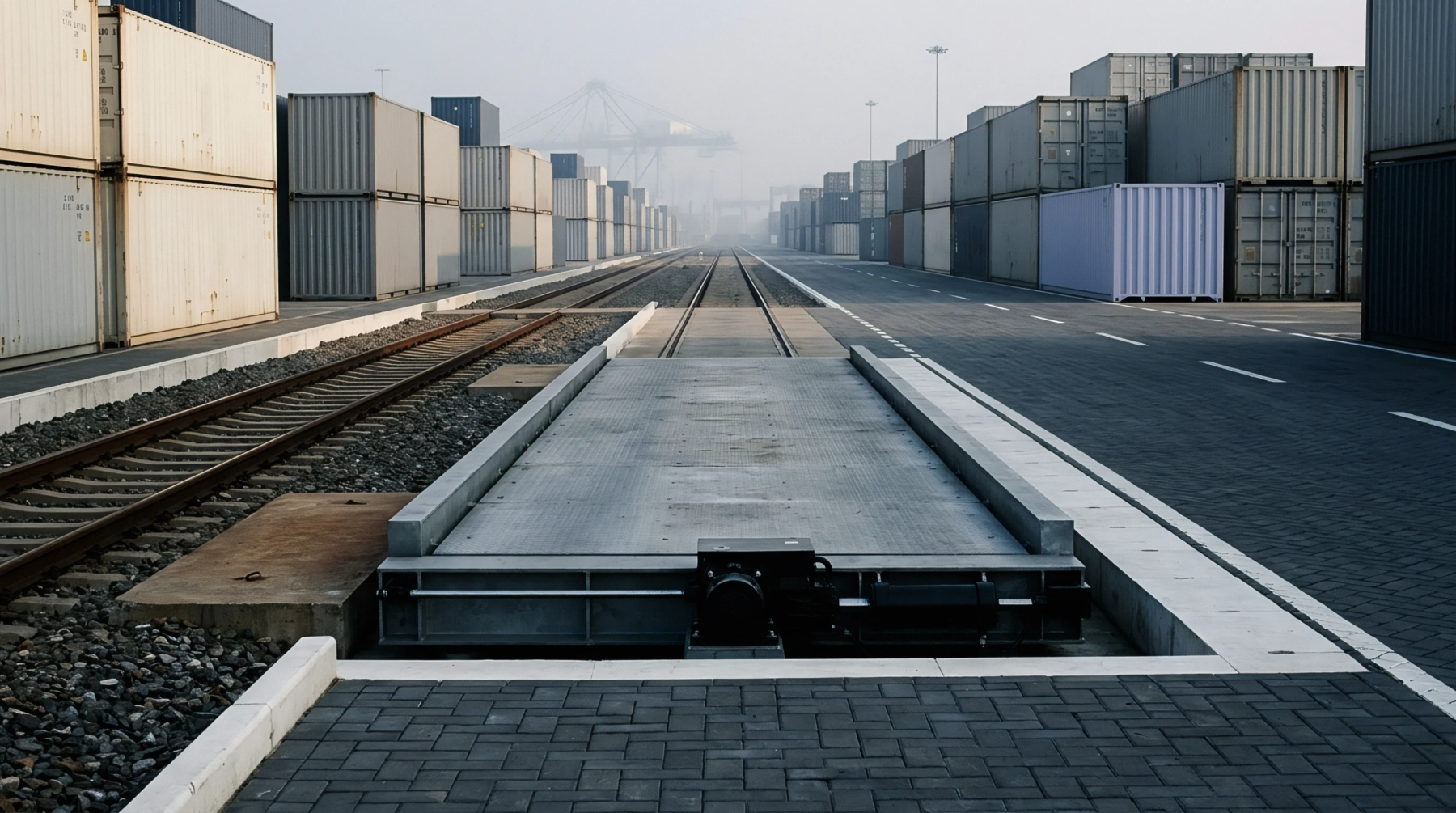
Capacity Growth
Capital investment projects designed to increase the throughput and storage volume of a transport hub enhance local logistics capabilities. A planned terminal expansion typically involves building new berths, adding dry bulk warehouses or installing additional liquid storage tanks. These infrastructure projects require years of planning, environmental assessments and significant financial commitments from port authorities or private operators.
Economic Driver
Increasing the size and processing capacity of a logistics hub stimulates regional trade and attracts higher shipping volumes. Beyond generating immediate construction activity, a terminal expansion allows ports to accommodate larger vessels and handle more cargo per day. This increased efficiency reduces wait times for ships and lowers overall transportation costs for regional exporters and importers.
Logistics Impact
The completion of harbor or rail hub upgrades rearranges regional transport routes and shifts supply chain strategies. Freight forwarders often route more cargo through a newly upgraded facility to benefit from shorter turnaround times and modern container handling systems. This shift can ease congestion at other regional hubs but may cause temporary bottlenecks on surrounding roads and rail lines as truck traffic increases.
To manage this influx, local governments must often upgrade highway access points and build dedicated freight lanes near the expanded facility.