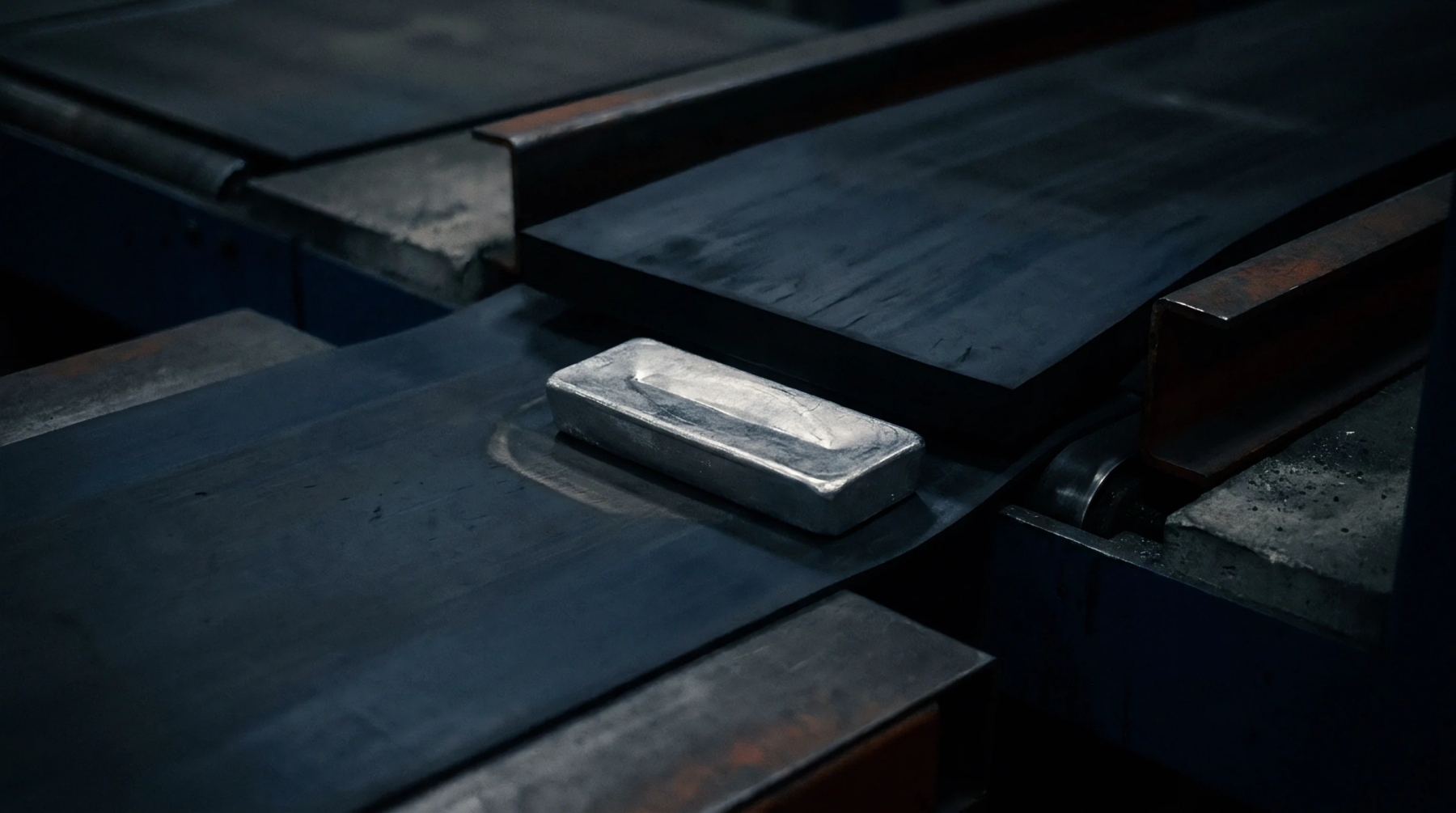
Logistical Phase
Material movement between supply chain nodes represents goods that have been dispatched but not yet received. This status, termed inventory transit, applies to commodities and finished products currently loaded onto trucks, railcars, or ocean vessels. It acts as a buffer in the distribution network, accounting for the physical time required to cover geographical distances between sellers and buyers.
Financial Treatment
Ownership of these moving goods is governed by specific commercial shipping terms agreed upon in the sales contract. During inventory transit, the balance sheet of either the buyer or the seller must carry the value of the cargo depending on whether Free on Board shipping or destination rules apply. This accounting classification prevents the double-counting of assets while ensuring that insurance coverage is active for the entire duration of the journey.
If cargo is damaged while on the ocean, the holding company must initiate the claims process based on these pre-defined terms.
Operational Control
Modern supply chains use digital tracking systems to monitor the progress of shipments in real time. This continuous visibility allows logistics teams to adjust receiving schedules and warehouse labor allocation based on estimated arrival times. By anticipating delays before they occur, distribution managers can reroute alternative shipments to prevent stockouts.