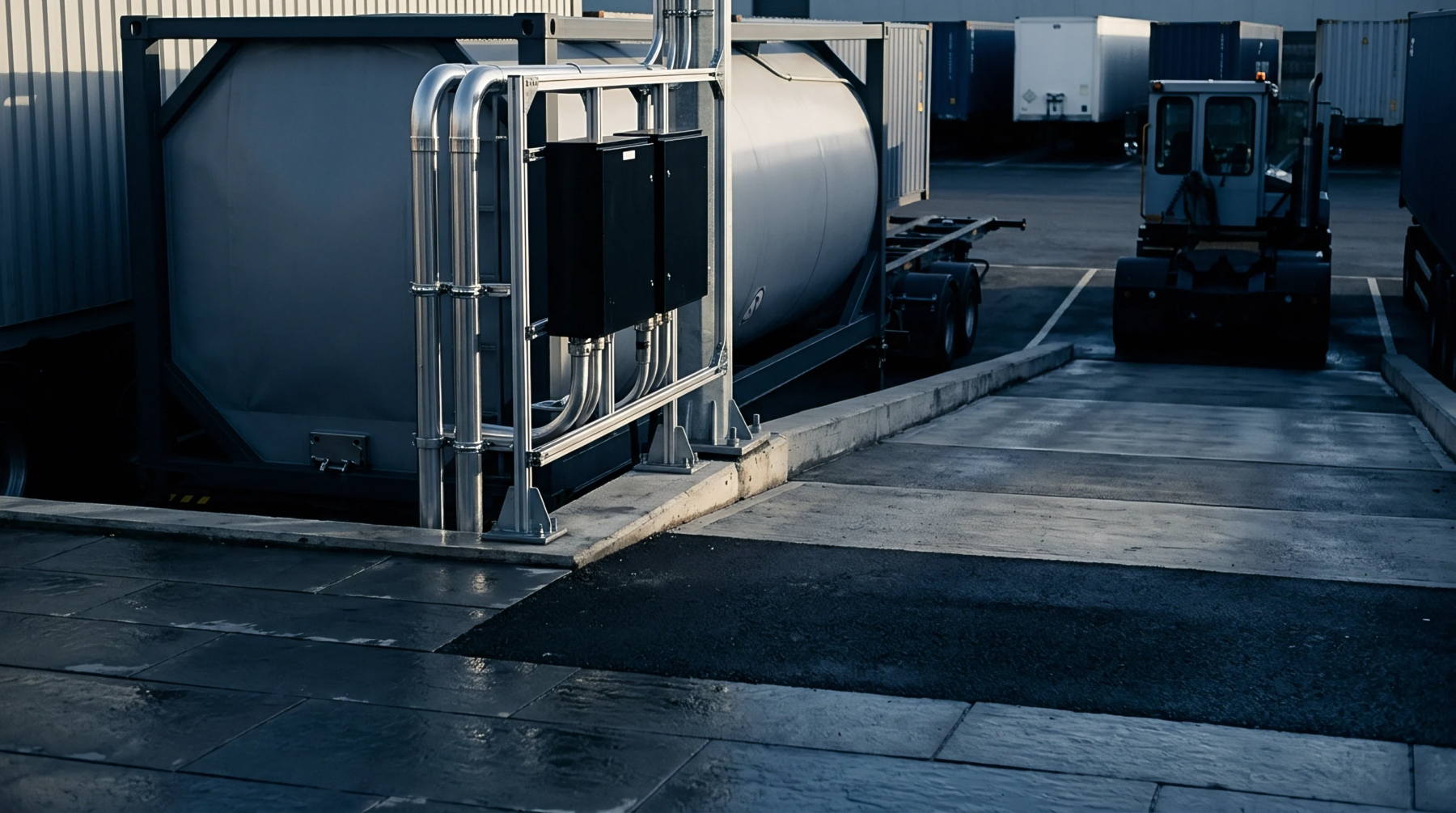
Rise of Asian Port Congestion Freezes Twelve Percent of Global Container Fleet
Global port congestion stranded capacity reaches record highs, requiring buyers to build longer lead times into order books.
Freight transit velocity operates as the overarching chronological framework defining logistics lead times across international supply chains. Commercial analysts track this metric on weekly intervals to evaluate carrier reliability and port congestion without confounding transit hours with customs clearance delays. Practitioners measure the duration from purchase order generation to final delivery receipt, applying strict cutoff rules once shipments enter domestic distribution centers.
Fluctuations in fuel costs alter these schedules directly by incentivizing slower vessel speeds to conserve capital. Cargo owners reconcile preliminary estimates against actual arrival data to adjust buffer stock levels before seasonal demand surges arrive. Ocean carriers publish schedule reliability indices monthly to validate reported figures against historical baselines.
Modal shifts from air freight to maritime shipping expand the duration substantially because maritime routes require extended preparation windows. Port labor disputes disrupt baseline calculations permanently until dock operators clear accumulated backlogs from terminal yards.
Vessel schedule unreliability distorts baseline planning parameters because maritime carriers miss berthing windows frequently at major container terminals. Supply chain managers monitor maritime reliability reports weekly to separate carrier performance from external bottlenecks like customs holds or railcar shortages. Ocean carriers publish schedule adherence metrics monthly to display actual transit days against contracted service level agreements.
Unfavourable weather conditions force captains to alter routes mid voyage, extending total door to door delivery windows unpredictably. Importers maintain higher safety stock inventories to absorb unexpected schedule slippages during peak shipping seasons. Shippers evaluate carrier reliability records quarterly to negotiate volume allocations for forthcoming contract bidding cycles.
Terminal congestion compounds transit variability by forcing container ships to anchor offshore for days before securing a berth.
Safety stock calculations depend entirely upon historical duration variances to protect manufacturing plants from component stockouts. Warehouse supervisors adjust inventory holding thresholds monthly as maritime transit durations lengthen or contract unexpectedly. Procurement teams evaluate historical delivery variability continuously to determine optimal reorder points for imported raw materials.
Capital tied up in buffer stock increases whenever supply chain lead times expand unpredictably across ocean shipping lanes. Financial controllers monitor inventory carrying costs closely to measure capital inefficiency caused by unreliable freight transit schedules. Extended delivery intervals force manufacturers to finance higher working capital balances while goods remain in transit across oceans.
Unforeseen port delays compel logistics planners to reroute shipments through alternative gateways despite higher inland transportation tariffs.
Global port congestion stranded capacity reaches record highs, requiring buyers to build longer lead times into order books.
Expertise is a utility, not a secret. sentiention™ publishes its working knowledge as open reference: intelligence layer covering the materials it sources, the markets it enters, and the reference that serves both.