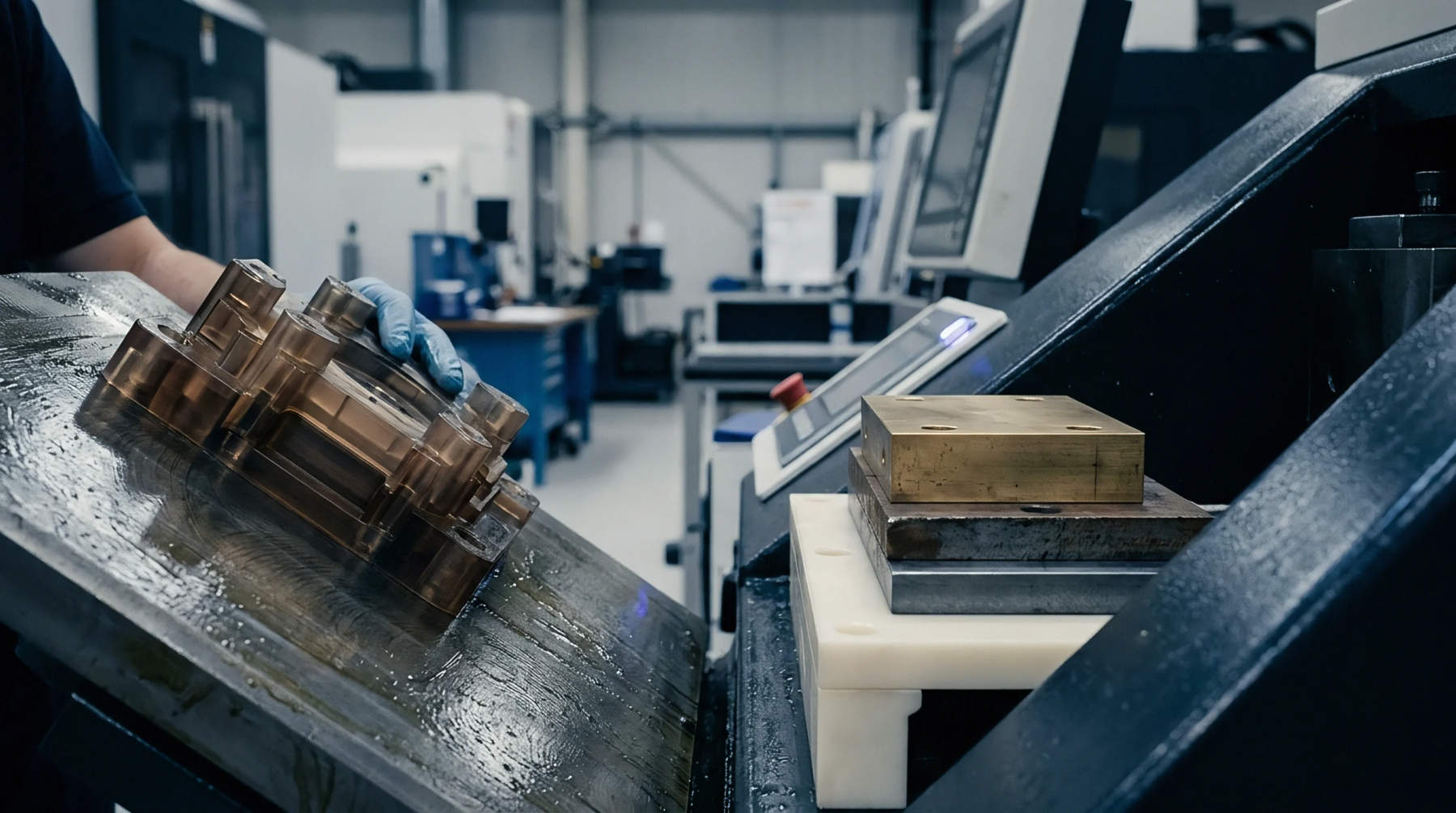
Systemic Vulnerability
Unplanned cessation of production flow occurs when inputs or processing capacities fail to meet established output targets. Manufacturing disruption happens when internal machinery faults, logistics bottlenecks, or raw material shortages halt standard assembly sequences. This status remains active until the facility resumes operational equilibrium.
Managers identify these events by tracking deviations from the baseline production schedule. Analysts differentiate between temporary equipment downtime and permanent supply chain detachment based on the duration of the stoppage.
Recovery Metric
Time elapsed from the initial fault to the restoration of nominal capacity defines the speed of institutional response. A manufacturing disruption demands quick reallocation of labor and inventory to prevent downstream delivery failures. Facilities often monitor the mean time to repair to gauge their preparedness for unforeseen technical halts.
High variance in these repair intervals signals poor maintenance protocols or unstable supply lines.
Economic Impact
Financial losses mount as fixed costs continue despite the absence of product turnover. A manufacturing disruption shifts market dynamics by creating artificial scarcity that influences regional price stability. Larger interruptions force buyers to seek alternative sources which weakens long-term supplier contracts.
Revenue volatility correlates directly with the scale of the facility and the complexity of its interconnected parts. The total cost includes both immediate output reduction and the subsequent expense of accelerating logistics to regain lost market position.