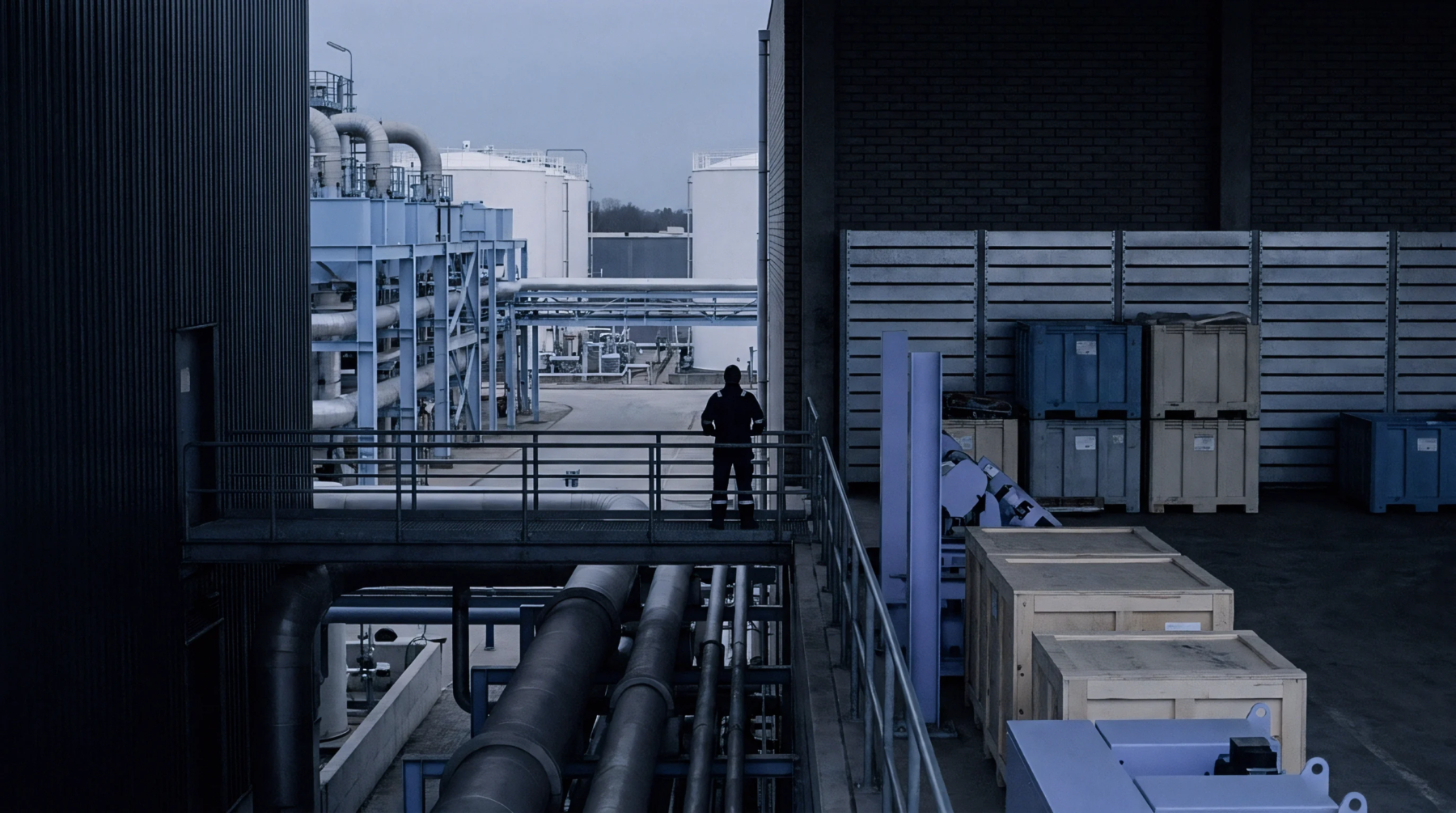
Operational Interruption
Total cessation of production capacity defines the primary state of a manufacturing shutdown, marking the point where facility assets stop converting raw materials into finished goods. A manufacturing shutdown involves the idling of machinery and the suspension of labor shifts across a plant floor. Managers trigger this event to perform heavy maintenance, address inventory gluts, or mitigate sudden shortages in critical inputs.
The scope remains restricted to internal site performance, excluding broader market disturbances that leave equipment functional but idle due to lack of demand. It measures the duration of active stoppage against the scheduled uptime defined in the production calendar.
Schedule Variance
Analysts track the movement of this indicator through monthly capacity reports, where the difference between planned volume and actual output reveals the total impact of downtime. Each instance of a manufacturing shutdown creates a deficit in the planned supply chain flow that downstream logistics providers must absorb. Operations managers report these figures as a percentage of total capacity to provide a neutral metric for internal benchmarking.
The reported figure differs from the estimated one when unexpected technical failures extend the duration beyond the original window. Decisions regarding maintenance intervals dictate when a firm enters a state of enforced inactivity to prevent long term equipment degradation. Procurement teams rely on these signals to adjust raw material delivery schedules, preventing the buildup of perishable stock at loading docks.
Supply Impact
Downstream partners monitor the frequency of these closures to assess the reliability of a vendor contract, as the ripple effects extend to distribution partners and retail availability. Each manufacturing shutdown alters the inventory buffer requirements for warehouses waiting on specific components from the stalled site. Freight carriers adjust transport capacity in response to the temporary disappearance of outbound volume, reallocating trailers to active production zones.
Persistent periods of idle time signal deep shifts in capital investment strategies, forcing suppliers to move resources toward different assembly hubs. A high frequency of interruptions weakens the stability of the entire network by introducing volatility into the expected lead times for global trade participants.