Logistics Topology
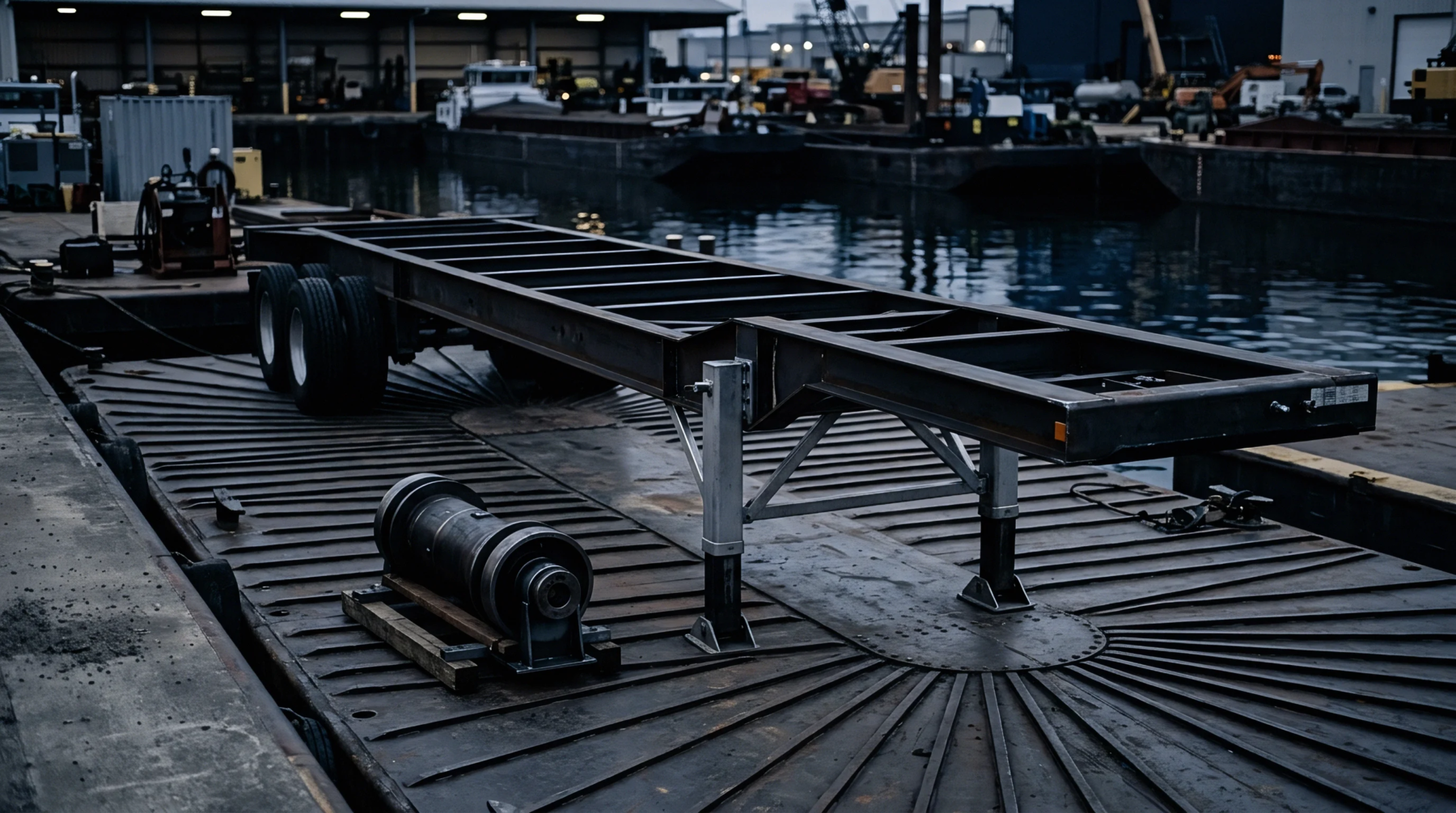
Integrated networks for raw material extraction and physical distribution define the movement of metallic commodities from primary production to end manufacturing. Metal supply chains require the synchronization of mining output, refining capacity, and multimodal transport logistics to maintain industrial inventories. Geographic dispersion of ore deposits forces reliance on complex maritime routes and regional rail infrastructures that dictate lead times for global manufacturers.
Coordination across these links hinges on the ability to balance production volume against fluctuating demand for alloys and base metals.
Inventory Mechanism
Capital allocation within these systems relies on the duration of transition from mineral concentrate to finished billet or sheet. Stockpiling at intermediate processing sites absorbs volatility in shipping schedules or sudden shifts in smelter output. Risk management departments monitor throughput rates to anticipate bottlenecks at port terminals or rail junctions.
Lead time variability drives the decision to hold buffer stocks, which effectively isolates production schedules from upstream delays.
Market Interdependence
Global price discovery originates from the friction between supply chain velocity and the available volume of tradeable metal. Manufacturers optimize costs by selecting suppliers located within shorter transit distances to reduce freight exposure and duty impact. Rising energy costs or regulatory changes affecting maritime fuel consumption alter the landed cost of materials regardless of the underlying commodity spot price.
Efficiency gains in this sector stem from better visibility into transit flows rather than changes in the physical properties of the metal itself.