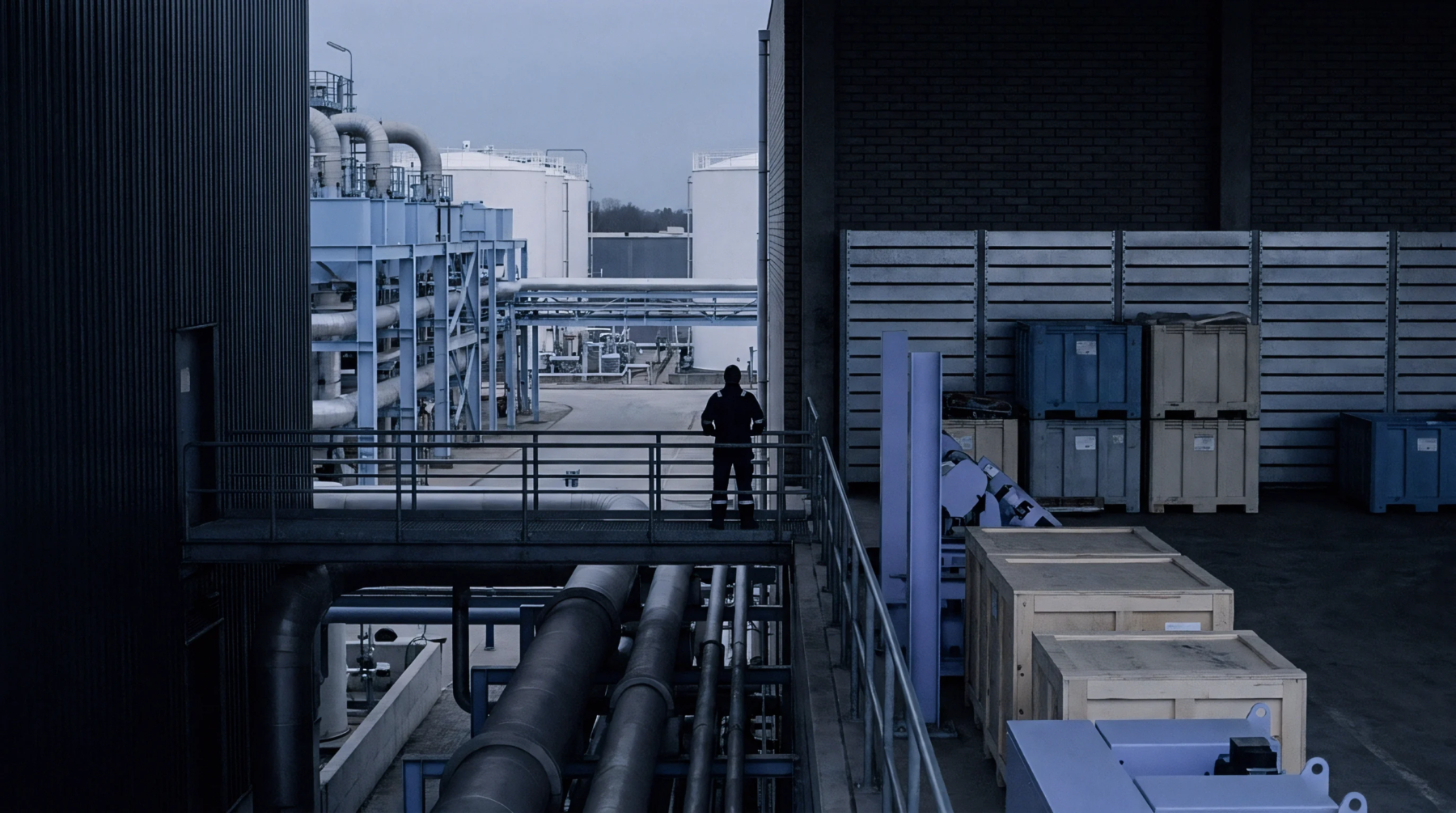
Chemical Feedstocks
Synthetic building blocks derived from petrochemical processes enable the polymerization of synthetic fibres. Nylon intermediates comprise various precursor chemicals including adipic acid, hexamethylenediamine, and caprolactam. These substances dictate the physical properties and thermal stability of the resulting polymers.
Producers rely on a steady supply of these basic chemical units to maintain output schedules. Their availability determines the price floor for engineered plastics used in automotive parts and consumer goods.
Market Dynamics
Global demand shifts dictate the price stability of these essential building blocks. Spot prices fluctuate based on the cost of crude oil and natural gas, which serve as the primary carbon sources for synthesis. High-volume manufacturing plants often integrate production facilities to minimize the logistics costs of transporting hazardous volatile compounds over long distances.
Regional supply disruptions cause immediate volatility in downstream manufacturing sectors that rely on specific polymer grades. Larger firms manage this exposure by holding long-term contracts that index final delivery costs to feedstock energy inputs.
Production Constraints
Synthetic precursor manufacturing requires high-pressure hydrogenation or oxidation systems that demand continuous operations. Capacity utilization rates stay tied to the longevity of catalyst life cycles and the efficiency of solvent recovery units. Maintenance cycles in these facilities exert pressure on market availability, creating temporary scarcity even when raw material supplies remain abundant.
Strict environmental regulations regarding nitrogen oxide emissions limit the growth of new production sites in heavily industrialised regions. Technical barriers to entry ensure that global supply remains concentrated among a small group of large-scale chemical producers.