
New US Safety Certificate Electronic Filing Rule Disrupts Import Documentation
Importers must transition to digital safety certificates to prevent customs holds and entry denials at United States ports
Importers must transition to digital safety certificates to prevent customs holds and entry denials at United States ports

New US import rules bar foreign importers without local assets from filing informal entries and raise penalty floors.

New Chinese decrees make supply chain due diligence required by Western law illegal within China, creating a compliance clash.

Tightened RoHS lead exemptions require buyers to secure updated compliance declarations to avoid import delays.

Industrial buyers must purge long-chain perfluorocarboxylic acids from shipments to Japan before the November import ban.

Boeing engineers rejected a contract, authorizing a strike that threatens certification and delivery schedules.

Importers must audit upstream metal and drug suppliers as the US expands its forced labor blocklist by forty-three entities.

With 43 new Chinese firms blacklisted, buyers must immediately audit aluminum and copper supply chains to avoid border seizures.

Sinking oil risk premiums will bring cost relief to global freight budgets and plastic resins in the coming quarter.

Importers of infant sleep furniture must verify ASTM F2194-25 test reports to prevent US border rejections.

Shippers face increased freight charges as shipowners face a choice between Iranian cargo seizure and US sanctions exposure.
Sourcing teams must audit subsidiary ownership to avoid heavy export penalties when the delayed rule takes effect in November.

Sourcing desks must audit Form 5106 filings before September 18 to prevent U.S. Customs from voiding importer identification.

Buyers of metal degreasing solvents gain extended timelines for implementing required workplace protection plans.

The transition to full customs value for metal tariffs raises import duties and forces complex supply chain reviews.
Cosmetics buyers must source alternative photoinitiators as Great Britain bans reproductive toxicant TPO in gel formulations.

Buyers must audit polymer and cleaning solvent suppliers to declare newly added hazardous chemicals in the European market

UK steel import quotas have fallen by fifty-one percent, forcing fifty percent duties on all volumes that exceed the threshold.

Food brand procurement teams must audit supply chains to prepare for mandatory filings of unlisted chemical and food ingredients.

The European Union mandates registration for imported acrylic esters, exposing buyers to retroactive chemical tariff risk.

Plastics buyers must secure chemical compliance certificates from suppliers to meet new European environmental reporting rules.

Industrial buyers face higher compliance costs and urgent material transition timelines as federal PFAS liability stands.

Importers and chemical buyers gain four additional months to align supply chain labels with updated hazard safety standards.

Definitive European Union duties up to ninety percent on Chinese steel cylinders force buyers to find regional suppliers.
Sourcing teams must secure supplier declarations to meet the strict European chemical limits taking effect this October.
Buyers must re-verify all chemical mixture safety sheets before the November deadline to prevent European border rejections.

With over 220 chemical producers halting spot quotes, buyers must lock in long-term contracts to prevent production halts.
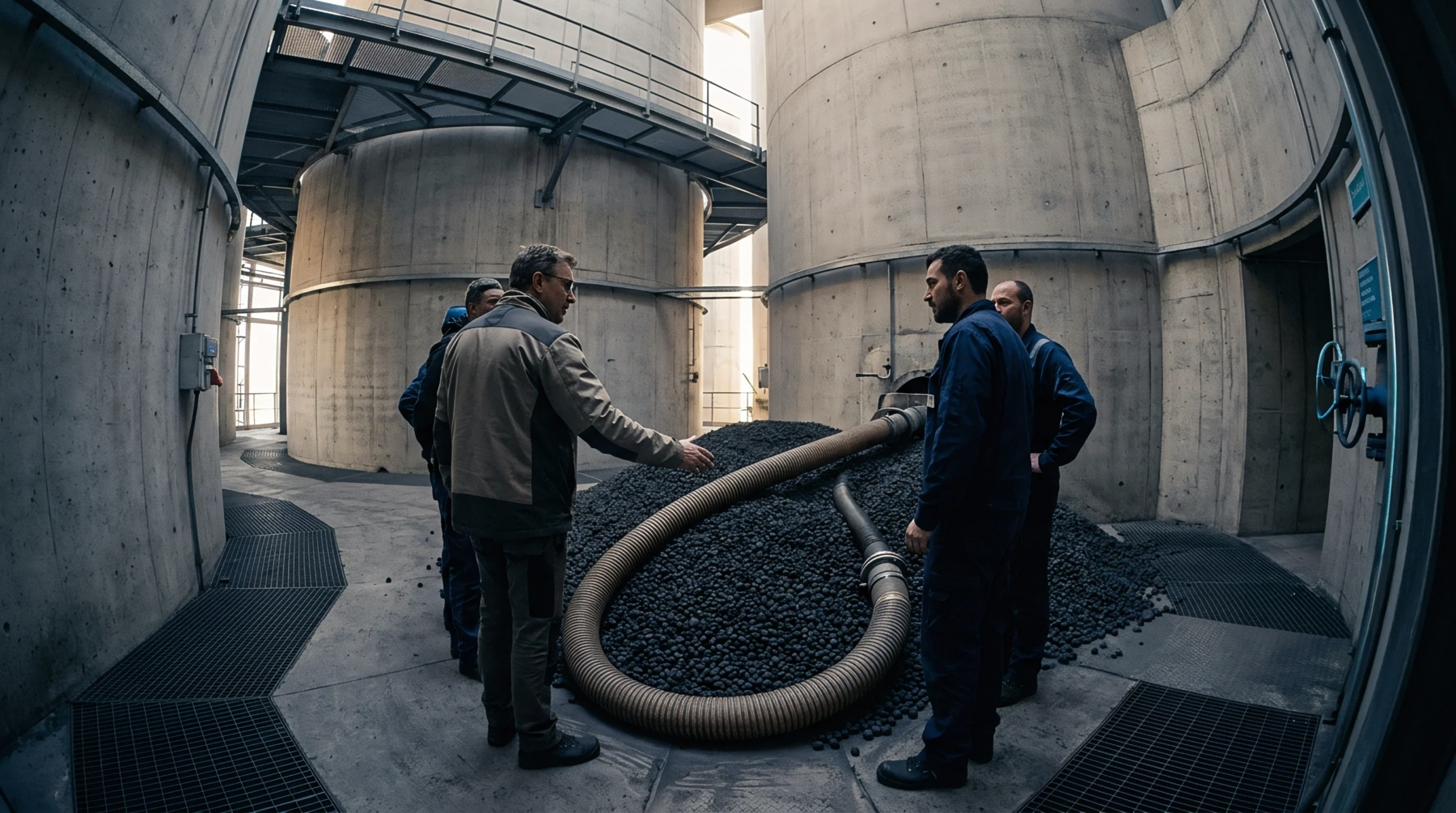
Geopolitical disruptions double flexible plastic costs forcing procurement teams to adjust packaging contract baselines.

Importers must secure mill-level origin records to avoid a 50% tariff surcharge starting July 2026.
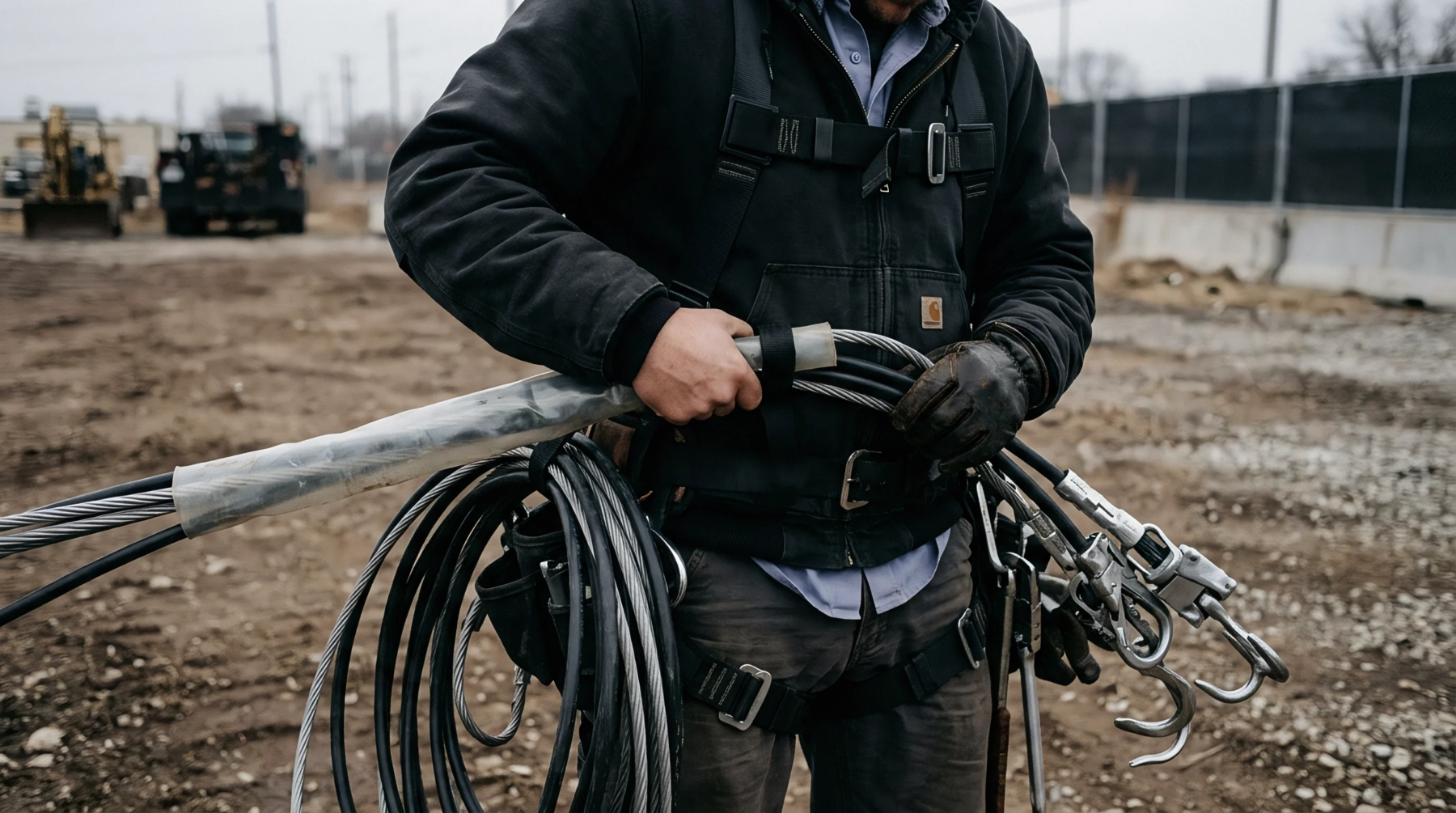
Rising metal tariffs and diesel costs push construction inputs up nine percent, forcing buyers to re-evaluate project bids.
Expertise is a utility, not a secret. sentiention™ publishes its working knowledge as open reference: intelligence layer covering the materials it sources, the markets it enters, and the reference that serves both.