Logistics Impediment
Unexpected events that force the rerouting of merchant vessels or the closure of key maritime passages alter the flow of global trade. Such shipping route disruptions cause delays in delivery schedules and increase the demand for bunker fuel. Ocean carriers must often bypass congested ports or avoid areas of geopolitical conflict to ensure the safety of the crew.
Financial Volatility
Freight rates typically spike when the available capacity of the global fleet is stretched by longer transit times. The persistence of shipping route disruptions leads to a build up of inventory at origin points and a shortage of goods at destinations. Manufacturers and retailers face higher insurance premiums and additional surcharges as risks increase.
Operational Adjustment
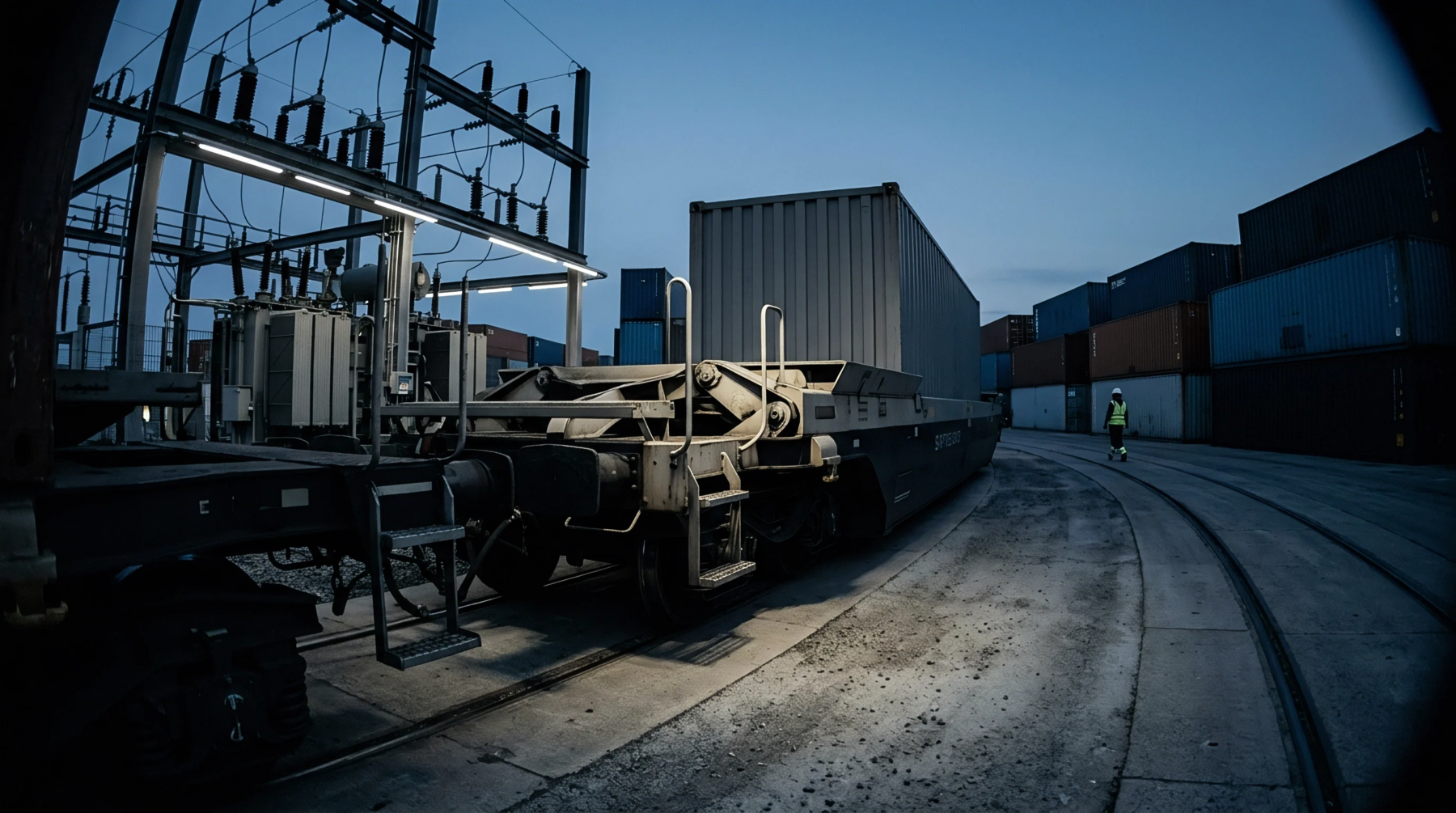
Logistics providers look for alternative modes of transport such as rail, road, barge or air to bypass the affected maritime areas. Planning for shipping route disruptions involves the use of sophisticated tracking data to predict arrival windows more accurately. Port authorities may implement emergency handling procedures to clear the backlog once vessels arrive in a cluster.
The shift to secondary ports can strain local trucking and warehousing infrastructure. Long term strategies often include the diversification of supply bases to reduce reliance on any single transit point.