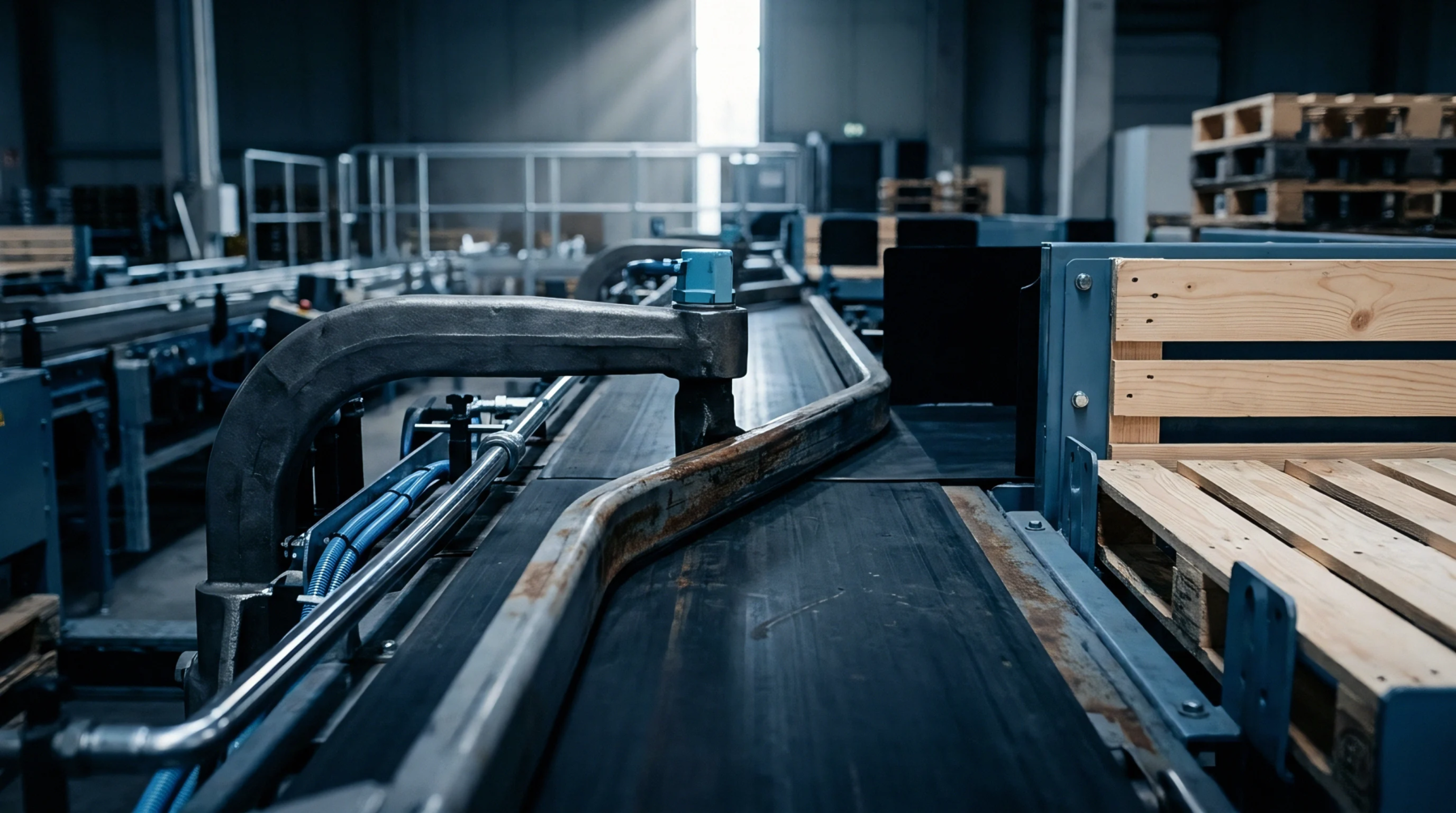
Manufacturing Output
Regional industrial ecosystems across Association of Southeast Asian Nations member states generate export-oriented goods ranging from electronics to textiles. Expanding southeast asian production reflects structural shifts in global manufacturing networks as firms diversify factory footprints away from single-country dependence. Industrial parks benefit from competitive labor pools, expanded port infrastructure and favorable trade agreements.
Factory output feeds directly into international intermediate component trade and final consumer retail supply chains.
Supply Integration
Industrial clusters require reliable domestic supply networks and cross-border customs integration to sustain factory throughput. Subtier suppliers provide raw materials and subassemblies to primary assembly facilities. Port congestion and regional transport bottlenecks disrupt component deliveries, forcing assembly plants to hold larger safety stocks.
Regional trade agreements reduce intra-regional tariffs on intermediate inputs, encouraging multi-country manufacturing steps across neighbouring industrial zones. Automated production lines require skilled technical labor and stable power infrastructure to maintain high yield rates. Supply chain managers evaluate domestic value-add requirements to ensure finished goods qualify for preferential trade tariffs.
Strategic sourcing strategies combine local raw material procurement with imported specialized components to balance production costs and product quality.
Export Dynamics
Foreign direct investment continues to fund production capacity expansion across industrial zones and specialized export processing parks. Export destinations include major consumption markets in North America and Western Europe. Infrastructure upgrades at regional deepwater ports enable direct mainlane vessel calls, reducing dependence on intermediate transshipment hubs.