Barrier Policy
Legal frameworks mandate the control of goods across sovereign borders through tariffs, quotas, or outright prohibitions. A trade restriction functions as a tool for governments to manage internal market stability or protect domestic industries from external price competition. These measures influence the landed cost of imports and determine the volume of products available for local distribution.
Legislators adjust these parameters to align with national economic priorities or as a response to perceived dumping practices by foreign entities.
Market Consequence
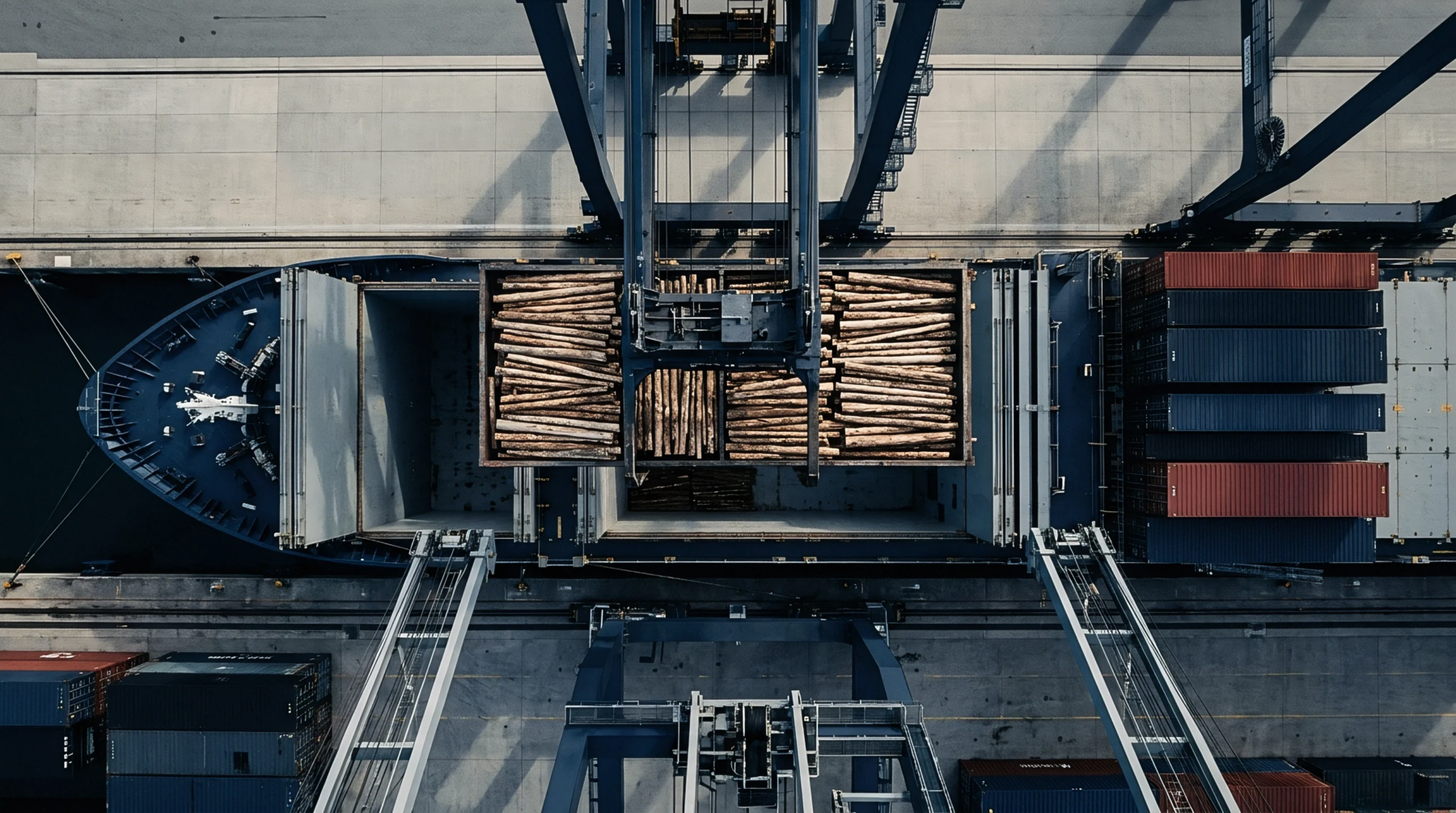
Price volatility follows the sudden imposition of import duties because supply chains require time to reroute raw material procurement. Manufacturers often experience immediate pressure on profit margins when the cost of imported inputs increases without a corresponding path to pass that expense to the buyer. Port throughput data frequently highlights these shifts as logistical hubs adjust to changing volume demands caused by shifting import volumes.
Firms operating in global supply networks maintain contingency plans to bypass high tariff regions by diversifying sourcing origins. Long term reliance on protected goods creates inefficiencies that reduce the competitiveness of finished products in international settings.
Administrative Mechanism
Customs authorities apply specific codes to identify prohibited items and enforce compliance at every point of entry. Staff verify documentation against a live database of sanctioned materials to block unauthorized flow before cargo clears the perimeter. Digital updates ensure that changes in regulation reach port inspectors simultaneously across the entire network.
Inspectors hold the final authority to detain shipments when declared values fail to match the requirements set by active policy mandates. Proper classification ensures that a trade restriction remains effective by preventing the mislabeling of goods to avoid fiscal penalties.