CPChem Cedar Bayou Outage Raises Normal Alpha Olefins Costs for Buyers

CPChem's force majeure on normal alpha olefins at Cedar Bayou triggers a 20 percent June price spike for chemical buyers.


09.09.26 2 min

Briefing

Chevron Phillips Chemical Company declared force majeure on June 9, 2026, for its AlphaPlus normal alpha olefins following an unplanned equipment outage at its Cedar Bayou, Texas facility. The shutdown restricts supply across North America, leaving manufacturers of detergents, synthetic lubricants, plasticizers, and specialty chemicals hunting for alternative suppliers or facing sharp price hikes. With production halted, linear alpha olefin spot market prices in the United States surged 43.37 percent in the second quarter of 2026 compared to the previous quarter.

A miniature steel electricity pylon model connects via thin filaments to a dark mineral lump resting inside an industrial workshop.

Context

Prior to the outage, procurement teams were tracking modest price growth in linear alpha olefins while managing Middle East shipping risks. The general assumption was that North American domestic supply would remain stable enough to cushion against import route volatility and absorb minor regional disruptions without driving up overall costs.
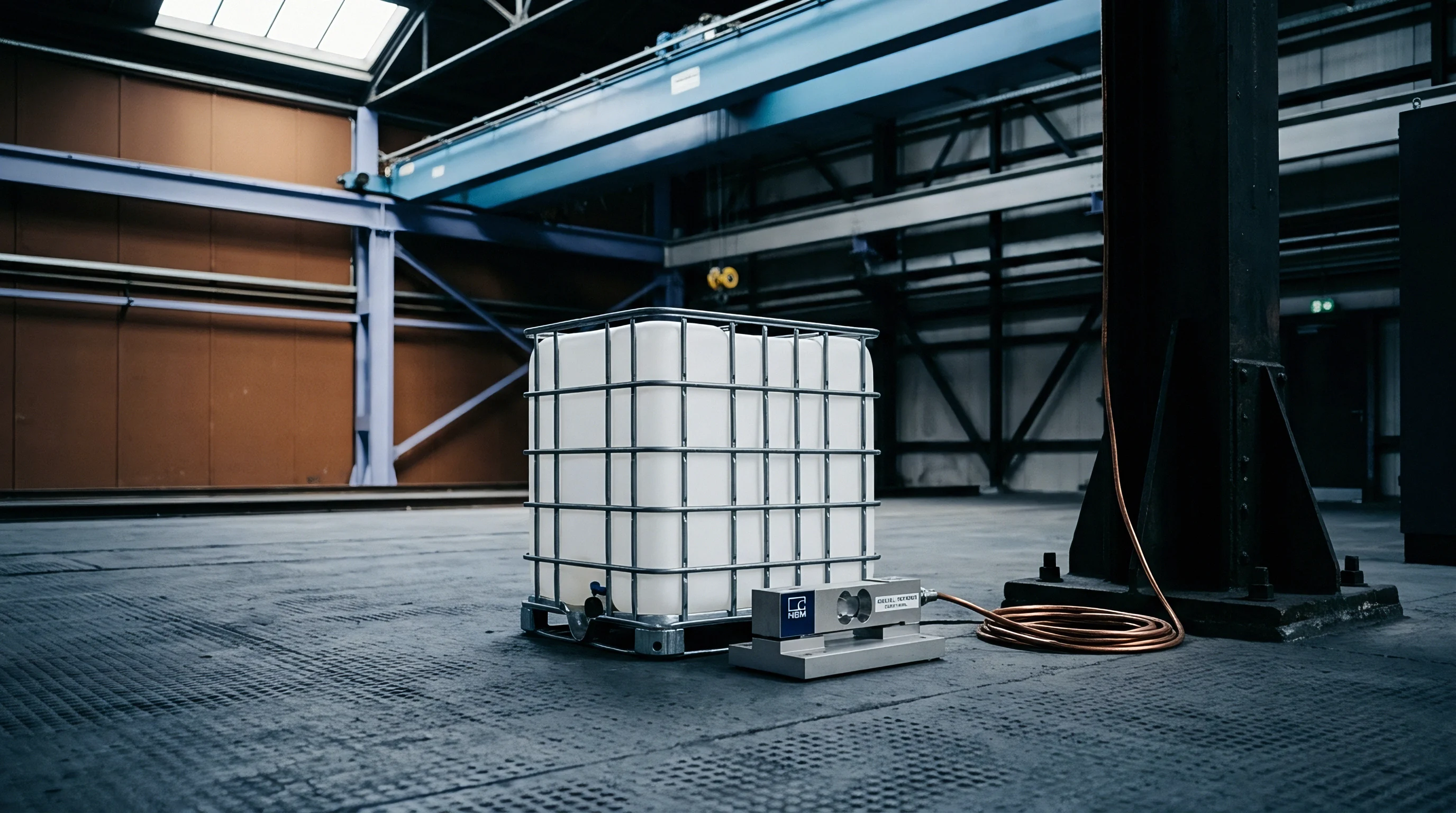
Industrial bulk storage holding liquid raw materials sits on a textured concrete floor inside a cavernous warehouse facility.

Analysis

The closure of the Cedar Bayou normal alpha olefin units cut off a primary regional supply channel. With domestic inventories already thin, losing this volume squeezed the spot market immediately. Because alpha olefins serve as core feedstocks for synthetic lubricants and detergents, the missing supply created an immediate bottleneck for downstream plants. Bidding for remaining material drove US tetradecene linear alpha olefin spot prices up 20.29 percent in June 2026 alone. Trade partners felt the drop in exports quickly, with Mexican buyers absorbing a 41.65 percent quarterly price increase. Lead times have doubled as suppliers place material on strict allocation, favoring contract customers and locking spot buyers out.

Polished metal milling vessels align along a dark industrial workbench inside a materials testing and sample preparation facility.

Parameters

  • Force Majeure Declaration Date ~ June 9, 2026, when Chevron Phillips Chemical formally notified customers of the AlphaPlus normal alpha olefins supply suspension after an equipment failure at Cedar Bayou.
  • June 2026 United States Price Increase ~ A 20.29 percent rise in domestic linear alpha olefin spot prices over a single month.
  • Quarterly United States Price Increase ~ A 43.37 percent increase in linear alpha olefin prices in the second quarter of 2026 compared to the previous quarter.
  • Quarterly Mexico Price Increase ~ A 41.65 percent escalation in Mexican import pricing driven by the drop in United States export volumes.

A technician inspects a heavy metal test specimen suspended by cables within an industrial structural testing facility.

Outlook

Through the final quarters of 2026, buyers face continued allocation controls and high spot prices across all normal alpha olefin grades. Sourcing teams will need to track restart updates from Chevron Phillips Chemical, with current estimates pointing to November 2026. Any outage extending past that target will lock in double-digit price increases and keep buyers paying heavy premiums to alternative global suppliers.

A polished steel industrial pressure vessel featuring a heavy manual control valve sits staged within an active construction facility yard.

Verdict

Buyers must secure alternative international supply and step away from the spot market immediately to insulate detergent and lubricant production lines from tight allocations and high premiums.

Signal Acquired from: Chemical Weekly

Nomenclature

Ethylene Derivative Pricing

Cost Mechanism ~ Petrochemical contract evaluations track the value spread between primary chemical feedstocks and their downstream processed variants.

Surfactant Manufacturing

Chemical Synthesis ~ Synthetic production transforms raw hydrocarbons and fats into amphiphilic molecules characterized by hydrophilic and hydrophobic regions.

Chemical Procurement

Supply Acquisition ~ Sourcing industrial raw materials requires identifying verified manufacturers while managing strict technical specifications and safety documentation.

Specialty Chemical Allocation

Rationing Protocol ~ Controlled distribution of proprietary and high-performance chemical formulations occurs when demand outpaces available plant capacity.

Synthetic Lubricant Base Stocks

Thermal Stability ~ Group three and group four synthetic lubricant base stocks provide molecular uniformity that petroleum stocks lack, removing reactive impurities through catalytic hydroisomerization and gas to liquid synthesis.

Plasticizer Raw Materials

Material Compound ~ Chemical feedstocks used to manufacture additives that impart flexibility to synthetic polymers are critical to the plastics processing sector.

Force Majeure Events

Risk Allocation ~ Legal and operational relief clauses in supply contracts release contracting parties from liability when unavoidable catastrophes prevent performance.

Petrochemical Market Volatility

Valuation Instability ~ Price fluctuations in chemical commodity markets stem from rapid shifts in raw material costs and global supply balances.

Refinery Supply Disruptions

Output Shortage ~ Operational outages at crude oil processing plants reduce the availability of essential chemical feedstocks for downstream manufacturers.

Linear Alpha Olefins

Chemical Structure ~ High-value petrochemical intermediates containing a terminal carbon-to-carbon double bond act as essential building blocks for diverse industrial materials.

Normal Alpha Olefins

Chemical Classification ~ Linear hydrocarbon chains with a single double bond at the primary terminal position represent the primary category of these compounds.

Industrial Chemical Sourcing

Procurement Protocol ~ Acquisition activity identifies, selects, and secures necessary chemical feedstocks from global or domestic markets to sustain manufacturing output.

What the firm knows, published

Expertise is a utility, not a secret. sentiention™ publishes its working knowledge as open reference: intelligence layer covering the materials it sources, the markets it enters, and the reference that serves both.