Global Mineral Surcharges Raise Filler Sourcing Costs for Industrial Buyers
Imerys has implemented global energy and logistics surcharges that push industrial filler costs up by one to eight percent.

Briefing
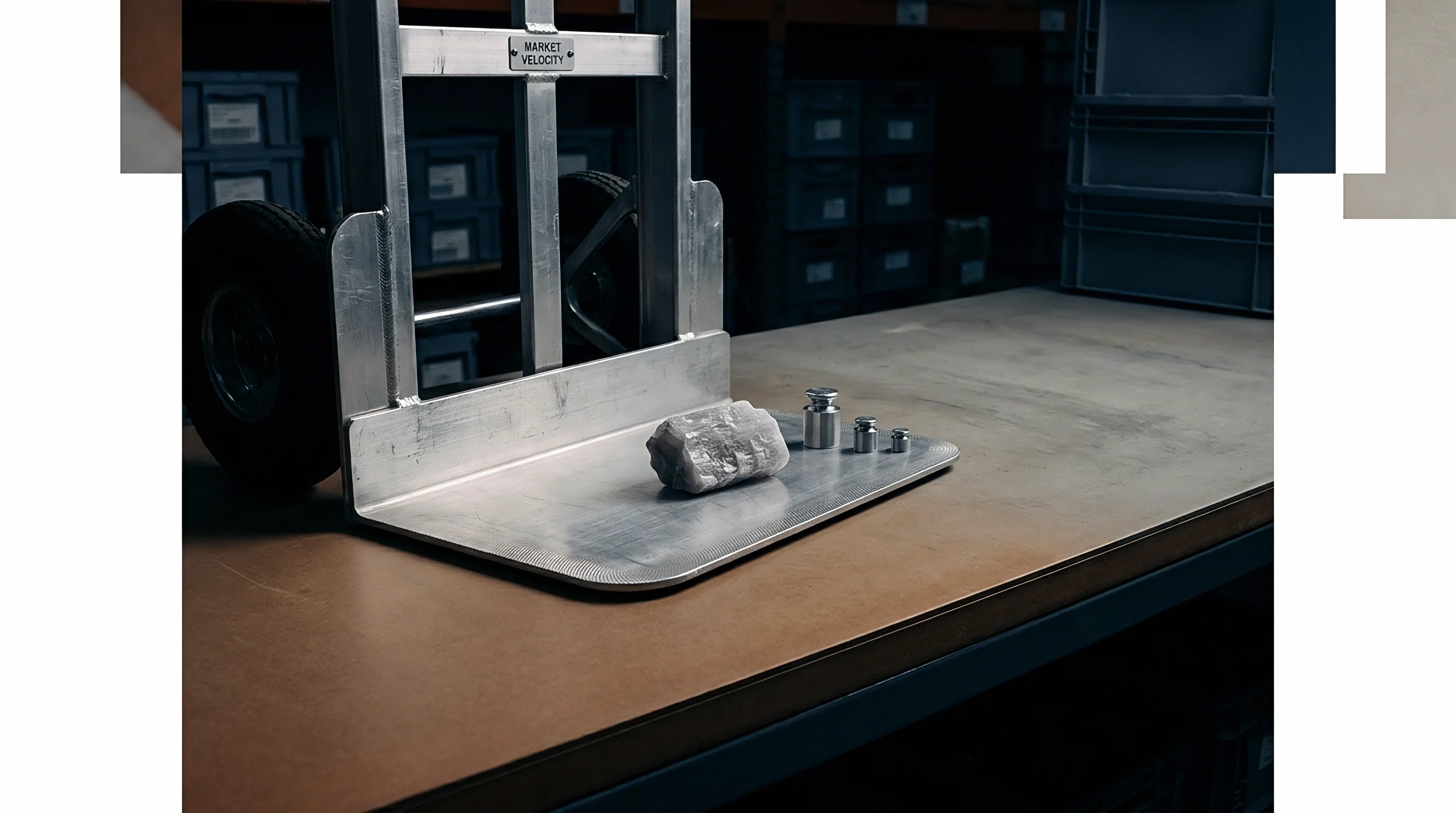
Specialty mineral producer Imerys implemented a two-part global surcharge mechanism across its performance minerals portfolio to offset maritime freight and processing power cost hikes. This decision raises prices for calcium carbonate, talc, and mica, making standard masterbatch fillers more expensive across Europe, the Americas, and the Asia-Pacific region. Sourcing desks that previously relied on blending mineral fillers to dilute high polymer costs now face an immediate margin squeeze in their compounding operations. The performance minerals division represents 60 percent of the parent company’s total revenue, establishing the sweeping impact of this pricing adjustment on downstream chemical and plastic converters.

Context
Procurement managers were tracking the petrochemical market to see if high oil prices would subside. They assumed that heavy mineral fillers would remain cheap and stable, serving as a buffer to mitigate expensive virgin resin prices. Sourcing teams were asking if increasing the calcium carbonate or talc ratio in their molded plastics could keep their finished part costs below contractual limits.
Analysis
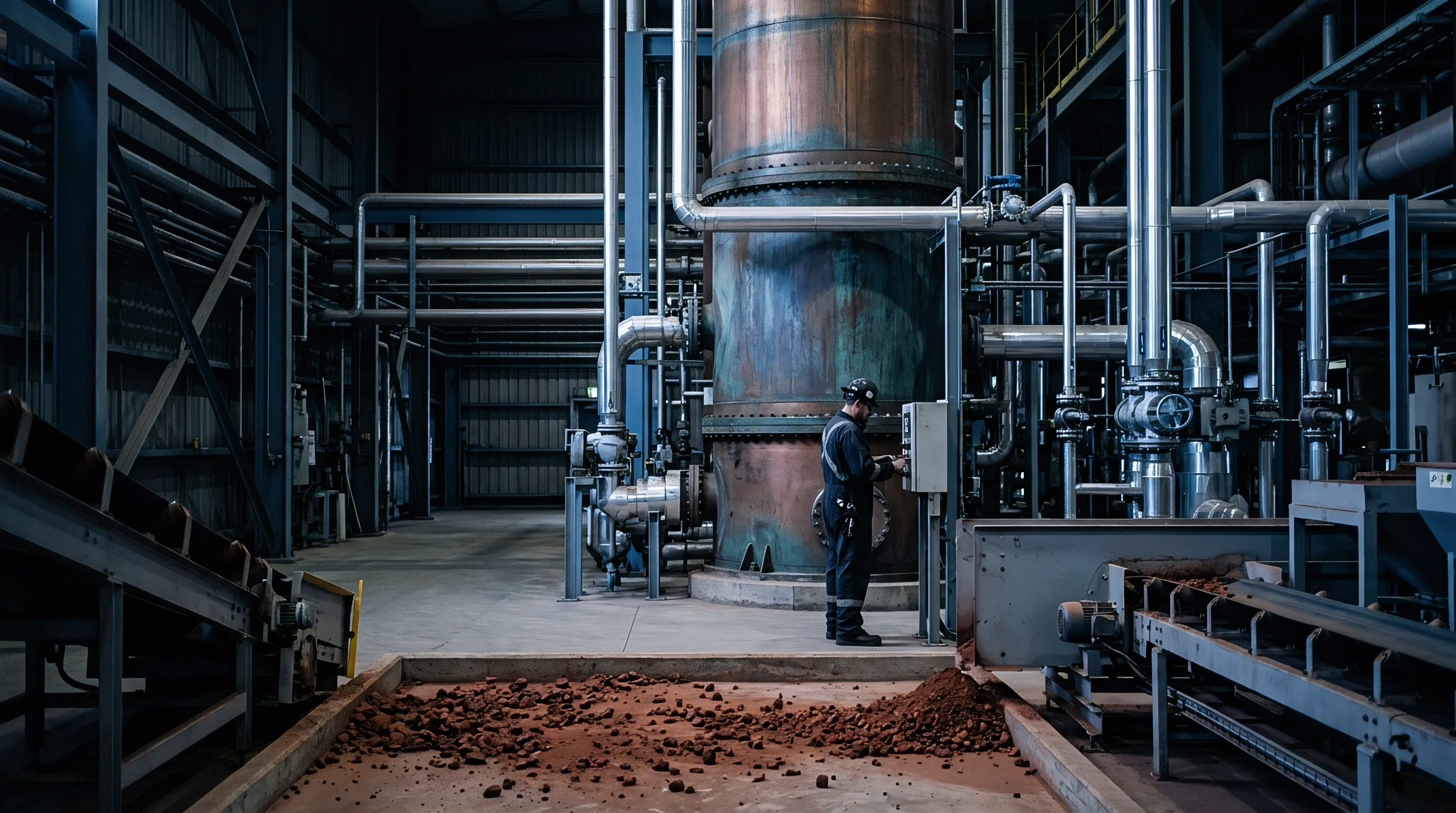
Industrial fillers function like the gravel in a concrete mix, acting to reduce the required volume of expensive cement. The current market forces both the cement and the gravel to rise in price simultaneously. Imerys transferred these ballooning operational costs directly to buyers through a dual mechanism consisting of an immediate logistics emergency surcharge and a subsequent energy surcharge. This dual surcharge transfers the price burden of international freight and processing electricity straight to the individual unit purchase order. Sourcing teams now face higher costs for both the base polymer and the filler material, eliminating their traditional cost-saving fallback.

Parameters
- Logistics Emergency Surcharge Effective Date ~ March 26, 2026, marking the immediate application of freight cost adjustments to all mineral shipments.
- Energy Surcharge Effective Date ~ April 1, 2026, representing the start of variable processing energy adjustments for all shipped orders.
- Performance Minerals Revenue Share ~ 60 percent, illustrating the high share of the company’s business covered by these new billing mechanisms.
- Estimated Filler Price Rise ~ One to eight percent, the expected increase in the landed cost of calcium carbonate, mica, and talc products.

Outlook
Contract negotiations for masterbatches and plastic compounds will reflect these added mineral surcharges throughout the coming quarter. Sourcing teams must monitor European and Asian natural gas benchmark indices to anticipate fluctuations in the energy component of their mineral invoices. A stabilization in gas prices below thirty-five euros per megawatt-hour will signal potential relief, whereas continued energy market volatility will cement these surcharges as a permanent fixture of raw material billing.

Verdict
Industrial mineral fillers no longer offer a cheap shield against resin inflation, forcing procurement teams to absorb rising compound costs or adjust finished product prices.