Myanmar Tin Mine Suspension Forces Solder Buyers to Prepare for Higher Premiums

Restricted ore flows from Wa State extend market deficits and lift refined metal pricing across global electronics exchanges.

28.08.26 2 min

Briefing

The continued suspension of mining in Myanmar’s Wa State area is choking the flow of tin concentrate to Chinese smelters, opening a structural supply gap for global solder and electronics components. Buyers face rising premiums as secondary inventories draw down to compensate for missing ore imports that traditionally make up a major portion of global supply. Higher raw material costs are directly driving up input expenses for SAC305 and other lead free solder alloys used in circuit board assembly. With no clear timeline for operations to resume, the global tin market faces a projected deficit of approximately 10,000 metric tons this year.
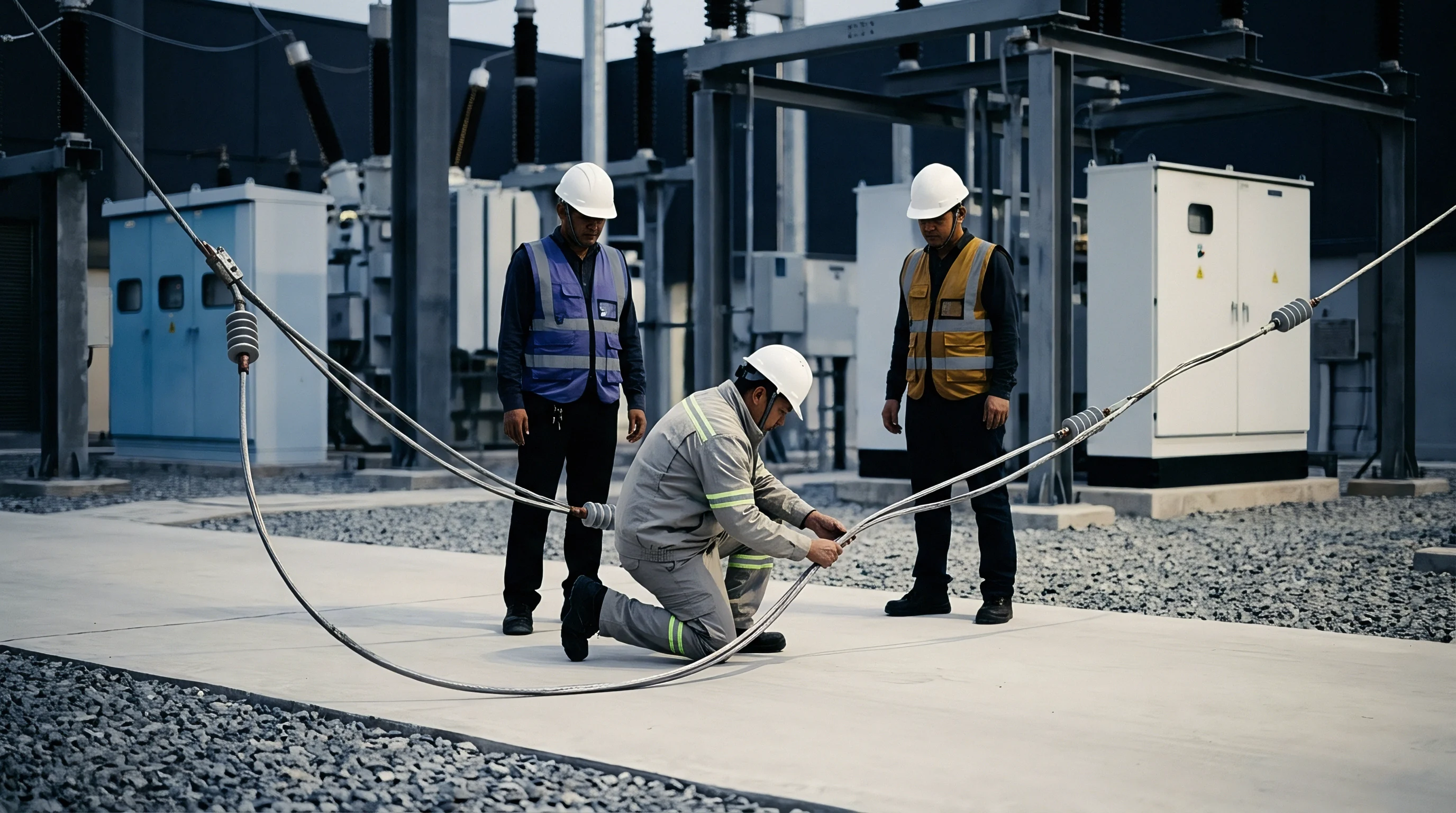
Industrial technicians examine heavy electrical cables and suspension insulators along concrete walkways inside an outdoor utility substation yard.

Context

Procurement teams initially tracked the 2023 suspension as a temporary disruption, assuming local authorities would restart mining once regulatory inspections concluded. Sourcing desks now question whether these closures could become permanent as border stockpiles fall to low levels.

Stamped steel automotive panels rest beside textile storage sacks and stacked metal shims on a dark workbench.

Analysis

The halt at the Man Maw mine site removes the single largest source of raw material for independent Chinese tin smelters. These facilities are now competing for concentrate from South America and Africa to keep operating, lifting the floor price for refined ingots on the London Metal Exchange. Higher refined metal costs feed directly into solder pricing formulas. Smaller solder suppliers with limited hedging capacity are pushing up spot prices faster than integrated providers, while lead times for specialized high purity tin bars are starting to stretch as manufacturers prioritize high volume standard grades.
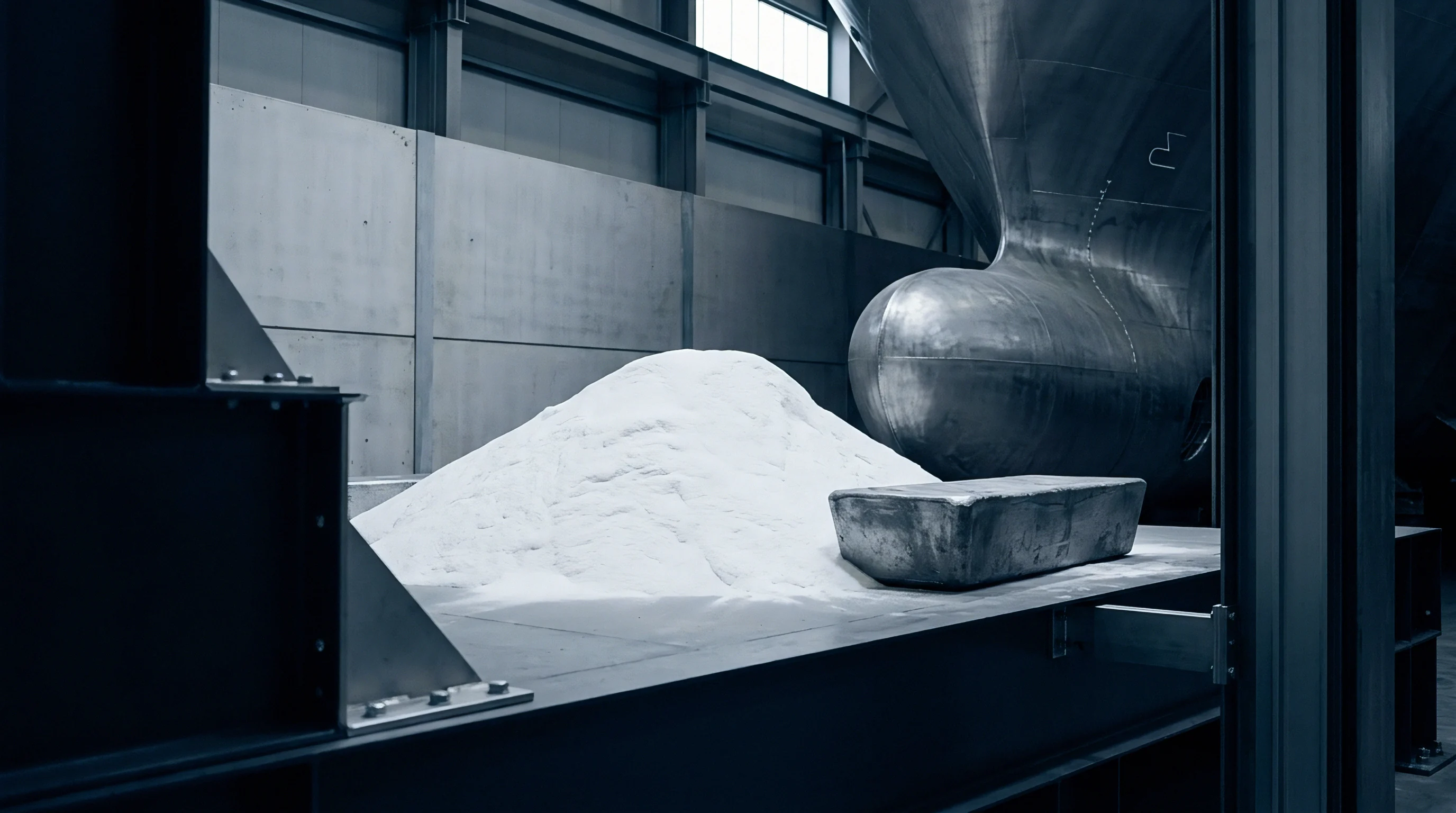
Bulk raw material and a large metal ingot rest on a platform inside a heavy industrial manufacturing facility near a ship hull.

Parameters

  • Supply Deficit ~ 10,000 metric tons projected for the current calendar year.
  • Import Reduction ~ 40 percent drop in concentrate exports from Myanmar to China.
  • Inventory Status ~ LME warehouse stocks stay below historical five year averages.
  • Alloy Premium ~ 5 to 8 percent increase in fabrication fees for customized solder shapes.

Polished metal milling vessels align along a dark industrial workbench inside a materials testing and sample preparation facility.

Outlook

Attention over the next quarter centers on the Myanmar mining bureau’s next policy announcement. Procurement teams should watch Shanghai Futures Exchange inventory levels as an early indicator of supply pressure, since a continued decline in these stocks signals that refined metal prices will likely maintain their upward trajectory through the end of the fiscal year.
A metal anemometer sensor mounts beside a contoured steel shield attached to a painted industrial housing overlooking heavy transit rails.

Verdict

Supply constraints are turning structural, making it critical for procurement teams to lock in volume allocations with tier one solder suppliers to avoid spot market volatility.

Signal Acquired from: International Tin Association

Nomenclature

Solder Materials

Joining Alloy ~ Metallic mixtures used to create permanent electrical and mechanical connections are the foundation of all modern electronics.

Electronic Grade Chemicals

Chemical Purity ~ High-precision reagents possess extreme molecular consistency and carry strict limitations on metallic impurities or ionic contaminants to satisfy semiconductor manufacturing requirements.

Semiconductor Assembly

Manufacturing Stage ~ Final steps in the production of microchips involve cutting silicon wafers into individual dies and housing them in protective packages.

Tin Concentrate

Assay Threshold ~ Interlocking metal-bearing output represents a processed mineral fraction harvested from underground vein networks to feed smelter operations worldwide.

Smelter Production

Industrial Output ~ The physical transformation of mined metal ores into refined metallic ingots represents a core industrial process that feeds global manufacturing supply chains.

Non Ferrous Metals

Material Category ~ Metallic elements and refined alloys containing no iron in significant structural proportions provide critical corrosion resistance and electrical conductivity across modern industrial applications.

LME Inventories

Warehouse Level ~ Global metal stockpiles held in registered facilities track the available supply of aluminum, copper, nickel and other industrial metals.

Commodity Arbitrage

Market Equilibrium ~ Price discrepancies across geographically distinct delivery hubs allow traders to capture profit through commodity arbitrage.

Wa State Mining

Resource Extraction ~ Industrial activity in the border regions of Myanmar provides a large portion of the global supply of tin concentrate.

Refined Tin

Metal Purity ~ High-grade metallurgical output achieves nine-nine point nine percent purity to clear standard London Metal Exchange warrants for industrial delivery.

What the firm knows, published

Expertise is a utility, not a secret. sentiention™ publishes its working knowledge as open reference: intelligence layer covering the materials it sources, the markets it enters, and the reference that serves both.