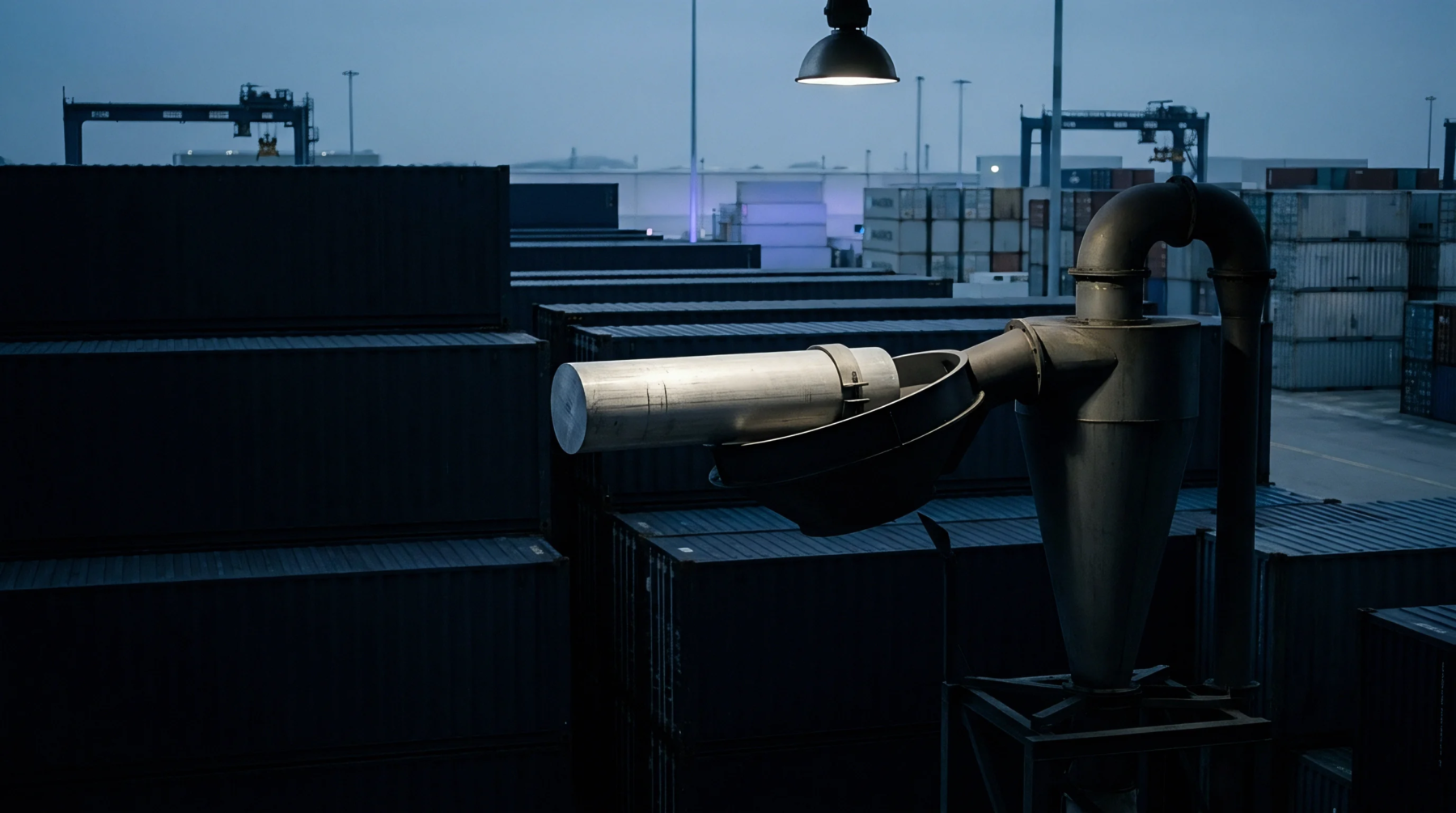
Network Interruption
Intermodal transport networks experience systemic operational breaks when physical bottlenecks or regulatory halts stop freight movement along primary transit corridors. A cargo flow disruption occurs whenever scheduled vessel movements, rail transfers or road haulage cycles are halted by external events or structural congestion. Freight handlers evaluate these breaks through dwell time accumulation at transit hubs, though the term excludes standard clearance windows.
Vulnerability Root
Primary nodes in global transport systems bear structural exposure to physical blockages and labor disputes. Channel restrictions in maritime passages force vessels onto secondary routes, which inflates transit times and disrupts equipment positioning across global ports. Rail terminal congestion and chassis shortages on domestic legs propagate these delays inward toward inland distribution hubs.
Unbalanced container returns create localized equipment deficits that prevent outward shipments despite available vessel capacity. When vessel arrivals cluster outside scheduled labor windows, port terminals face severe staging yard saturation. This saturation reduces crane productivity and lengthens container dwell times from days to weeks, freezing capital in stationary inventory.
Mitigation Horizon
Carrier strategies prioritize rerouting flexibility and inventory buffer adjustments to maintain operational continuity during systemic shocks. Shippers absorb higher spot freight rates and extended holding fees when cargo rests at congested terminals. Fixed delivery schedules give way to dynamic arrival updates across supply chain tracking software.
Long-term contractual clauses incorporate flexible port-of-discharge terms to bypass congested gateways, altering baseline risk distribution between cargo owners and maritime operators.