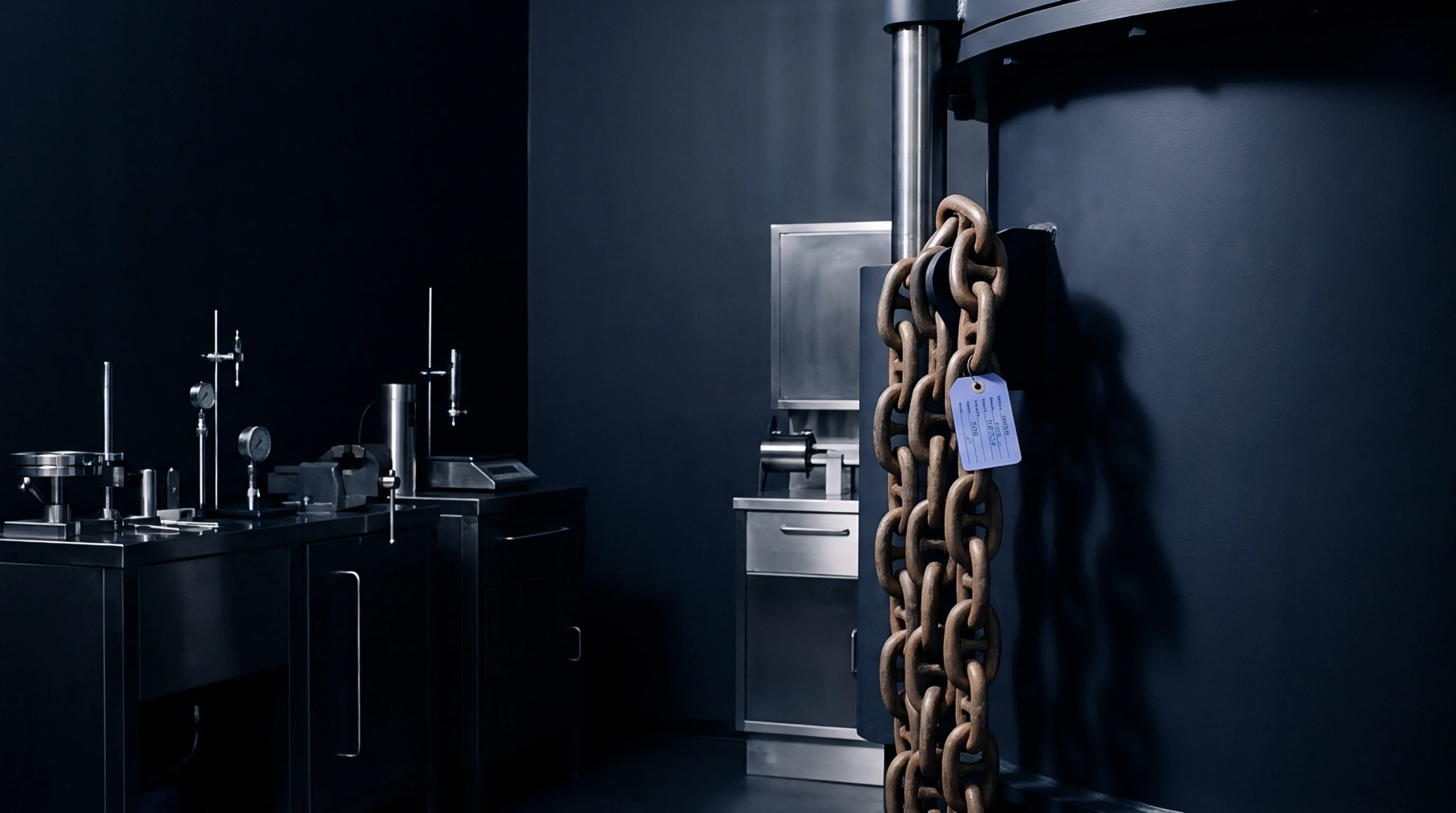
Operational Interruption
Industrial activity halts completely when a casting plant shutdown occurs, marking the cessation of molten metal processing and component formation within a foundry environment. Such events prevent the solidification of liquid alloys into finished or semi-finished shapes. Management initiates this state to facilitate equipment maintenance, correct structural failures, or respond to fluctuations in raw material availability.
Prolonged inactivity affects the downstream supply chain by restricting the volume of base parts accessible for subsequent machining or assembly lines.
Market Consequence
Prices for secondary aluminium and iron often rise during an unexpected casting plant shutdown because available inventory tightens immediately. Buyers who rely on steady delivery schedules face heightened risks regarding production continuity at their own sites. Foundries must manage large stockpiles of hardened metal or scrap during these periods to minimize capital tied up in dormant assets.
Prolonged cycles of downtime force operators to adjust their energy procurement strategies and labour allocations to mitigate financial loss.
Temporal Boundary
Technical assessments typically determine the duration of a casting plant shutdown based on the complexity of the internal furnace repairs or the extent of the machinery overhaul required. Shutdowns intended for planned preventative maintenance occur on fixed calendar intervals to ensure furnace lining integrity and safety compliance. Unplanned stoppages happen when critical mechanical failure forces an immediate stop to avoid safety hazards or catastrophic damage to the production line.
Termination of the shutdown happens when operational parameters return to nominal values and quality testing confirms the capacity for stable casting output.