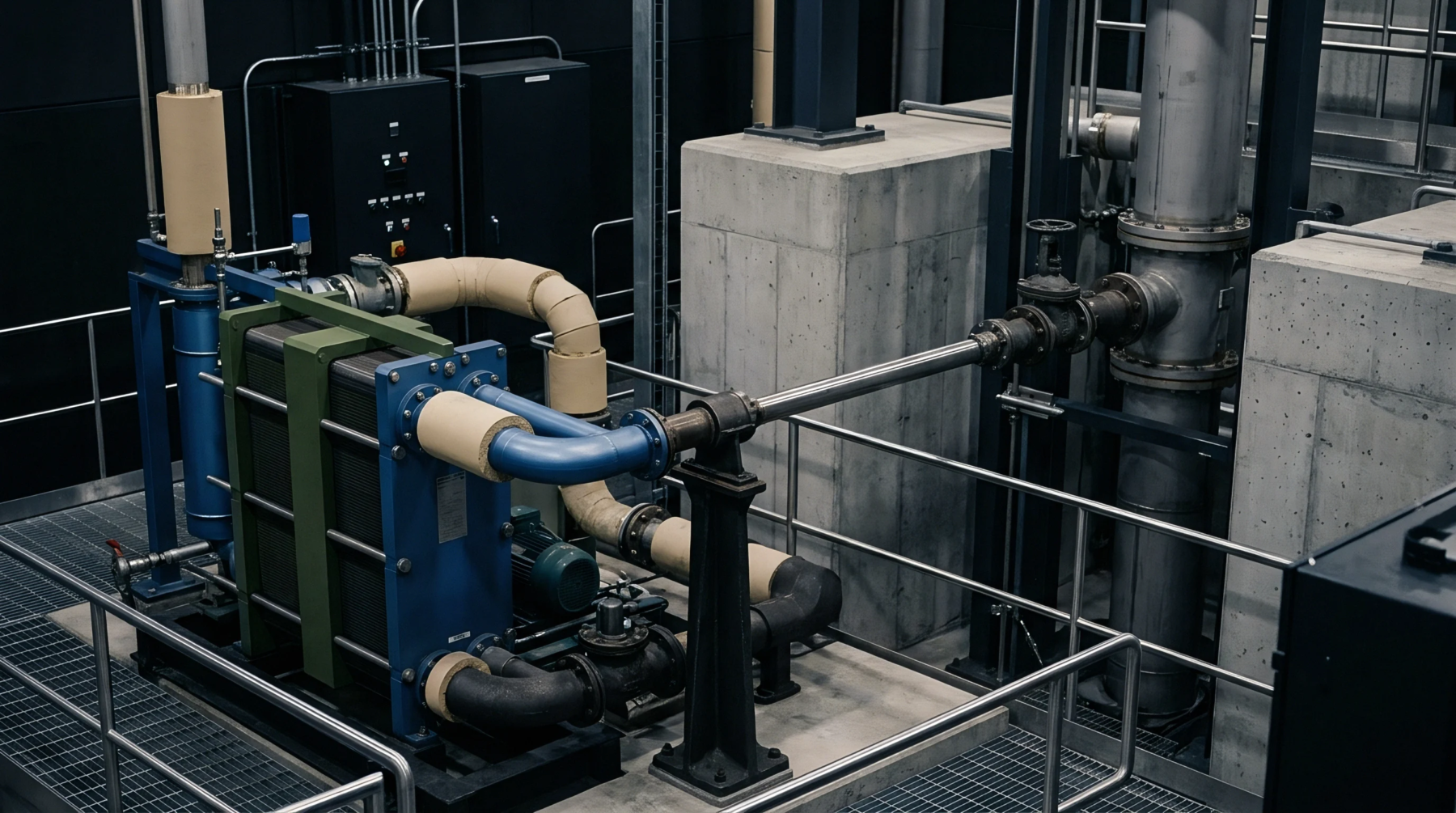
Production Bottleneck
Material availability shifts within industrial value chains track regional and global input deficits. Chemical supply constraints arise when feedstock scarcity or logistics failure prevents manufacturers from maintaining standard output volumes. Process owners monitor these shortages through lead time variability and spot market price volatility.
Disruptions originate at precursor manufacturing sites or occur during distribution toward formulation centers. Interruption risk creates systemic pressure that forces procurement teams to adjust inventory buffers or reformulate product specifications to retain throughput.
Market Sensitivity
Volatility in the availability of intermediate compounds forces buyers to anticipate long cycles of replenishment. Chemical supply constraints influence contract negotiations by shifting the weight toward volume guarantees instead of simple pricing models. Traders observe that tight margins often trigger allocation policies where producers prioritize high-value end markets over general industrial users.
Regional trade data highlights that transport network health often determines whether a minor shortage propagates into a sector-wide shutdown. Decisions regarding safety stock levels rely on the historical frequency of these supply interruptions across diverse geographic origins.
Systemic Impact
Regulatory changes and raw material extraction limits dictate the outer bounds of sector capacity regardless of immediate demand levels. Chemical supply constraints restrict the physical flow of molecules required for energy production, cleaning agents, and plastic polymerization. Downstream industries remain vulnerable to these structural limitations because substitutes typically require extensive validation and recertification before adoption.
Long term production stability depends upon the diversification of sourcing channels rather than reliance on localized manufacturing hubs.