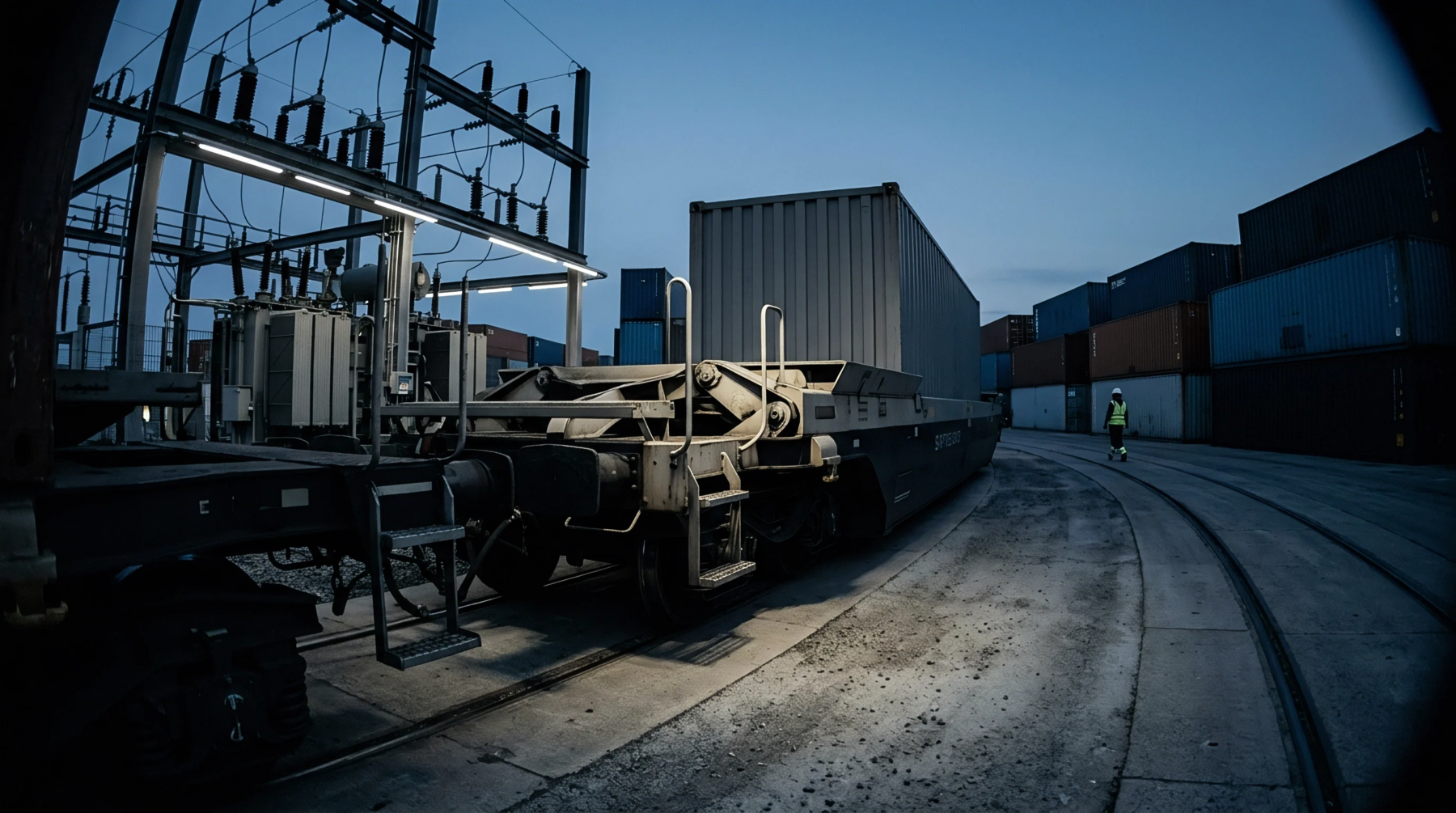
Maritime Volume
Ocean transport logistics relies on container freight to move manufactured goods and industrial components across international trade routes within standardized steel boxes. Supply chain managers track this throughput monthly to measure consumer demand and industrial output shifts. Commercial agreements govern the movement from origin terminal to destination warehouse based on box dimensions and weight limits.
Boundary conditions apply when cargo exceeds maximum payload thresholds or requires specialized temperature control mechanisms outside standard maritime equipment parameters.
Economic Index
Financial analysts monitor container freight pricing data to gauge global trade health and manufacturing sector activity. Weekly spot market indices aggregate transoceanic rate fluctuations reported by carrier booking platforms and freight forwarding intermediaries. Operating margins fluctuate as carriers adjust capacity allocations and port congestion surcharges alter overall shipping expenses.
Manufacturing enterprises evaluate these logistical costs to determine inventory replenishment cycles and final retail pricing strategies.
Transit Constraint
Port congestion creates severe bottlenecks that delay container freight delivery schedules and disrupt downstream factory production timelines. Terminal operators manage yard density by restricting early gate arrivals and imposing heavy storage fees on overdue boxes. Shippers absorb additional demurrage charges when customs inspections or documentation errors stall cargo clearance procedures.
Regulatory changes regarding vessel emissions standards continuously reshape route economics across major shipping lanes.