Reactive Polymer
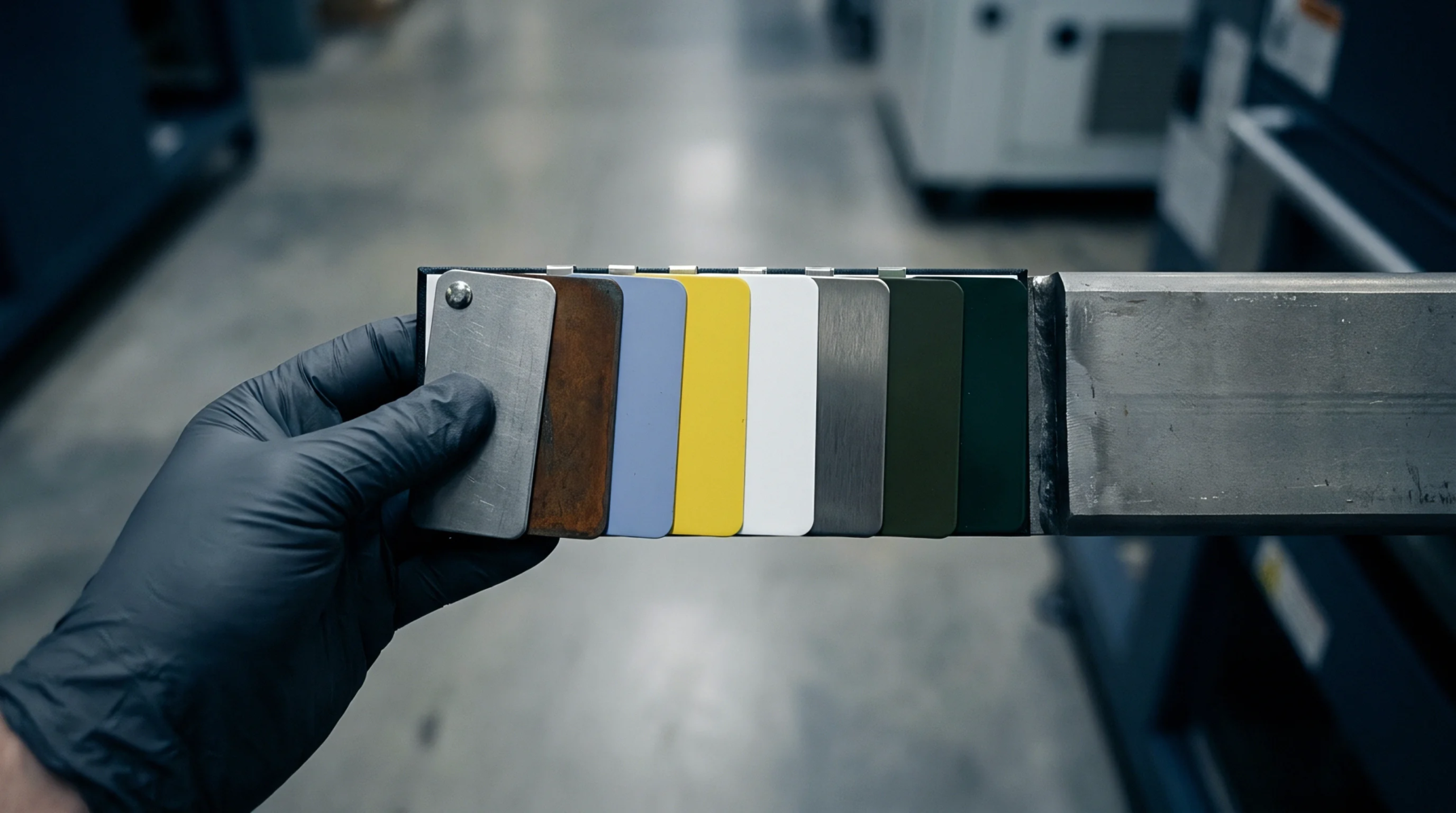
Synthetic materials containing epoxide groups function as high-performance adhesives, coatings and composite matrices in various industrial applications. This epoxy resin provides superior mechanical strength and chemical resistance once it undergoes a curing process with a hardener. The material bonds effectively to metal, glass and wood.
Chemical Cure
Transition from a liquid to a solid state happens when the base material mixes with a specific curing agent. During this phase, the epoxy resin forms a cross-linked molecular structure that is extremely durable. Heat sometimes accelerates this reaction to achieve specific properties in the final part.
Engineers select different hardeners to control the working time and the final hardness of the surface.
Industrial Application
Aerospace and automotive sectors rely on these materials to build lightweight yet rigid structures. In the electronics industry, epoxy resin encapsulates sensitive components to protect them from moisture and vibration. Construction crews use it for floor coatings and structural repairs because of its longevity.
Wind turbine blades are another major user of these thermosetting plastics. The global market for these chemicals fluctuates based on the cost of petroleum-based feedstocks. Supply chains must manage the shelf life and storage temperature of the liquid components.
Advanced formulations allow for use in underwater repairs or high-heat environments. Consistent mixing ratios are essential for achieving the desired physical properties.